Post actualizado el día October 17, 2026 by DeiviSanzPlay
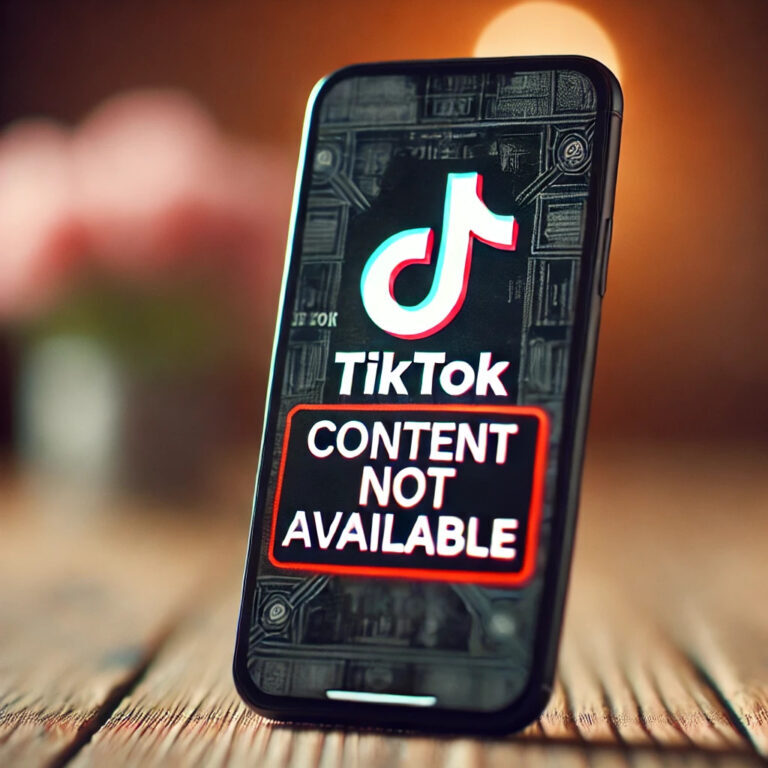
If you opened TikTok one morning and got hit with “TikTok is not available, We are sorry”, you’re not alone. Millions of users in the United States woke up to that exact message. The app vanished from phones overnight, and the panic was real.
This wasn’t a random glitch or a server crash. The TikTok ban in the United States became a reality after years of threats, lawsuits, and political back-and-forth. The U.S. government finally pulled the trigger, citing national security concerns over the app’s ties to ByteDance, its Chinese parent company.
Let’s cut the noise and get into what actually happened, why it matters, and what your real options are right now if you’re a creator, a business, or just someone who liked scrolling.
Why TikTok Got Banned in the US: The Real Story
The core argument was never about dancing videos or viral trends. U.S. officials claimed that TikTok posed a national security risk because ByteDance could theoretically be forced to hand over American user data to the Chinese government. ByteDance denied this repeatedly, but the suspicion never went away.
Under a law signed in 2024 (the Protecting Americans from Foreign Adversary Controlled Applications Act), ByteDance was given a deadline: sell TikTok’s U.S. operations to a non-Chinese buyer or face a nationwide ban. The company refused to sell, challenged the law in court, and lost. The Supreme Court upheld the ban, and the deadline passed.
The result? TikTok disappeared from U.S. app stores, new downloads stopped, and existing users got that infamous error message. It was the first time a major social platform was effectively shut down in the United States.
What Happens to Your TikTok Account and Content?
Here’s where things get messy. If you had a TikTok account in the U.S., your videos didn’t get deleted immediately. The app stopped working, but the data still exists on ByteDance’s servers. Whether you’ll ever get access to it again is a different question.
Some users reported that VPNs could temporarily bypass the TikTok ban, letting them log in as if they were in another country. But this is a cat-and-mouse game. TikTok has actively blocked VPN traffic before, and using one doesn’t guarantee stability or safety.
More importantly, even if you get in with a VPN, your content won’t reach U.S. audiences the same way. The algorithm is region-locked. You’re basically shouting into a room where nobody you know is listening.
Best Alternatives to TikTok After the Ban
Creators didn’t wait around. Within days, people started migrating. The three big winners so far are:
- Instagram Reels: The closest experience to TikTok. Meta has been pushing Reels hard, and the algorithm rewards short, punchy videos. If you were good on TikTok, you can rebuild on Reels fast.
- YouTube Shorts: Better for long-term monetization. Shorts feed into YouTube’s massive search engine, so old videos keep getting views months later. TikTok never had that.
- Snapchat Spotlight: Underrated. Less competition, and Snapchat pays creators directly for viral clips. Worth a shot if you’re starting from zero.
There’s also Triller, Clapper, and Fanbase, but honestly, none of them have the user base to replace TikTok. Don’t waste your time unless you’re experimenting.
Will TikTok Come Back in the United States?
This is the million-dollar question. The short answer: maybe, but not in the way you remember it.
ByteDance has hinted at a deal where a U.S. company (or a consortium) would take over TikTok’s American operations while ByteDance keeps a minority stake. President Trump, who initially pushed for the ban, later signaled he’d be open to a deal that “saves TikTok” — but on American terms.
The problem is that China has to approve any sale, and Beijing has made it clear it won’t let TikTok’s algorithm fall into American hands. Without the algorithm, TikTok is just another video app. That’s the real sticking point.
So no, don’t expect TikTok to magically reappear next week. The most likely scenario is a long negotiation, a watered-down version of the app, or a permanent shutdown in the U.S. while it keeps running elsewhere.
What This Means for Small Businesses and Creators
If you built your entire business on TikTok, this is a wake-up call. Relying on one platform is a gamble, and the house always wins. The smart move is to diversify your content across at least three platforms and own your audience through email lists or a website.
I’ve seen creators lose 80% of their income overnight because they never bothered to build a backup. Don’t be that person. Export your TikTok videos, download your analytics, and start reposting on Reels and Shorts today. The algorithm won’t wait for you.
Can You Still Use TikTok with a VPN in 2026?
Technically, yes. A VPN can make your device appear to be in Canada, Mexico, or Europe, and TikTok might load. But here’s the catch: it’s slow, unstable, and against TikTok’s terms of service. If they detect it, they can ban your account permanently.
Also, U.S. app stores no longer host TikTok. You’d need to create a foreign Apple ID or Google account just to download it. That’s a lot of hassle for a broken experience.
My take? Skip the VPN circus. Put that energy into building on platforms that actually want you there.
The Bottom Line on the TikTok Ban
TikTok’s disappearance in the U.S. isn’t a temporary outage. It’s a political and legal decision with real consequences. The app might return under new ownership, or it might fade into memory like Vine did.
What’s certain is that the social media landscape in the United States has changed for good. Creators who adapt fast will thrive. Those who wait for TikTok to come back will be left behind.
So stop refreshing that error message. Download Reels, fire up Shorts, and start posting. The audience is still there — just somewhere else.