Post actualizado el día octubre 24, 2026 by DeiviSanzPlay
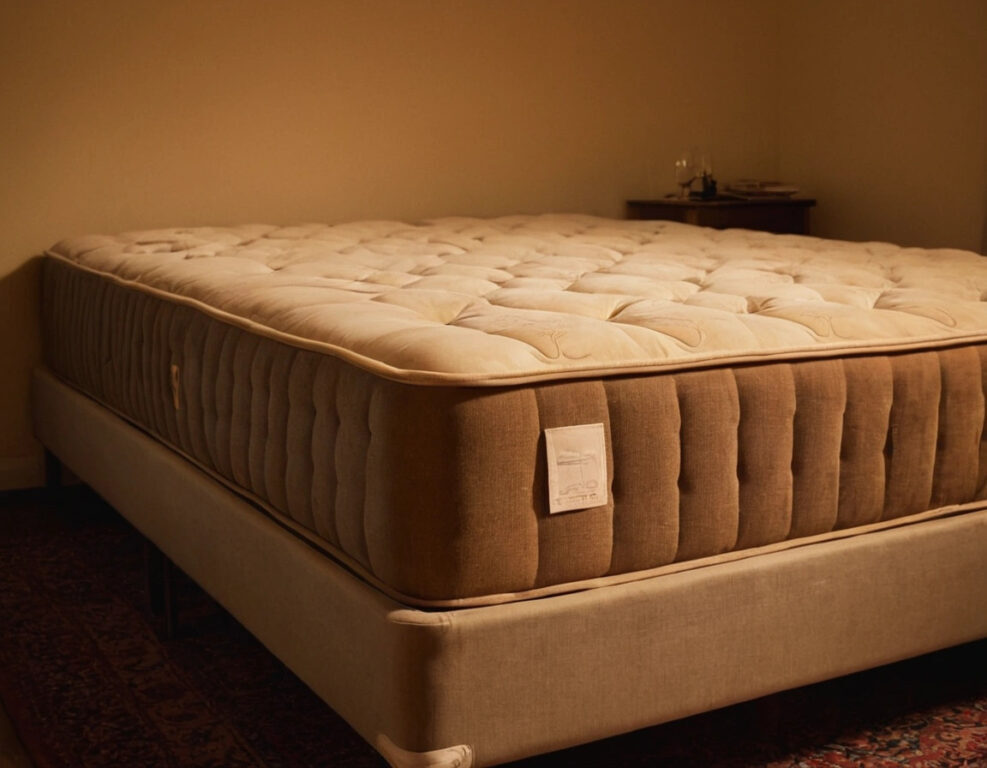
Stains on a mattress are one of those things you ignore until one day you lift the sheet and find a battle map. Sweat, blood, urine, coffee… Each one has its own story. And no, the typical advice of «just throw baking soda on it» doesn’t work. After reading forums, manufacturer technical sheets, and the occasional textile cleaning study, I’ll tell you what really works to remove mattress stains without ruining the fabric or being left with a strange smell for months.
Preparation: what almost nobody does and makes all the difference
Before touching a stain, ventilate the room. It sounds like grandma’s advice, but if there’s no airflow, moisture stays inside the mattress and that’s where mold appears. Open the window at least 20 minutes before you start.
Check the mattress label. Not all materials can handle hydrogen peroxide. A memory foam mattress, for example, can turn yellow if you overdo it with liquids. Spring mattresses are tougher, but also more prone to accumulating moisture inside.
Have everything on hand: a vacuum with a narrow nozzle, white microfiber cloths (colored ones can transfer dye), baking soda, white vinegar, 3% hydrogen peroxide, mild liquid soap, and cold water. No hot water: it sets protein stains like blood.
Do a test in an inconspicuous area, such as the bottom edge or the part that goes against the headboard. Apply a little of the product, wait 10 minutes, and check if it discolors. If nothing happens, go ahead.
Vacuum the mattress thoroughly before applying any liquid. Hair, dust, and dead dust mites turn into a paste if you wet them. And that paste is a breeding ground for bacteria.
The 4 key steps to remove mattress stains
There’s no magic here: there’s chemistry and patience. I’ll break it down by type of stain, because a drop of sweat is not the same as a puddle of a child’s urine.
Step 1: Sweat and yellowing stains
Sweat leaves that yellow tone that makes it look old. The mixture that has worked best for me is one part white vinegar to two parts cold water. Apply with a damp cloth, not soaking wet, and let it sit for 10 minutes. Then go over it with another clean cloth with water and dry with a hairdryer on the cool setting. The vinegar breaks down the salts in sweat and neutralizes the odor.
If the yellow is very stubborn, add a tablespoon of baking soda to the mixture. It will form a thin paste. Spread it with your fingers, let it dry completely (about 2 hours), and vacuum. The baking soda absorbs the grease and lifts the tint.
Step 2: Blood stains
Blood is tricky. If it’s fresh, cold water and mild soap are enough. If it’s already dry, 3% hydrogen peroxide is your best ally. Apply directly to the stain with a cotton ball, let it bubble (that means it’s oxidizing the hemoglobin), and remove with a dry cloth. Don’t rub: you’ll spread the stain.
Be careful with peroxide on light-colored mattresses: it can leave a whitish ring. That’s why the prior test is mandatory. If the mattress is natural latex, better to use a baking soda paste with water and let it dry.
Step 3: Urine stains (and the smell)
Urine has two problems: the stain and the ammonia smell. The mixture veterinarians recommend for children’s mattresses is: 1 part hydrogen peroxide, 1 part water, 1 tablespoon baking soda, and a few drops of liquid soap. Apply with a clean sponge, let it sit for 15 minutes, and dry with a cloth.
For the smell, after it dries, sprinkle baking soda generously, leave it overnight, and vacuum in the morning. The baking soda traps the ammonia molecules. If the smell persists, repeat the process. Don’t use air fresheners: they mask, they don’t eliminate.
Step 4: Food, coffee, or wine spills
Here the urgent thing is to dilute. Water with a few drops of mild detergent, applied with a clean cloth. Rub gently in circles from the edge toward the center so you don’t spread the ring. Then go over it with a cloth with just water and dry with a hairdryer on the cool setting.
If it’s red wine, sprinkle fine salt immediately to absorb, and then apply the detergent mixture. Coffee usually comes out well with a solution of equal parts vinegar and water. And if it’s chocolate, first scrape off the solid remains with a spoon before dampening.
Drying and maintenance: where everything gets ruined
The most common mistake is putting the sheets back on with the mattress still damp. Residual moisture generates mold in 24-48 hours, and that can’t be removed with anything. Let it air dry for at least 4 hours, with the window open and, if you can, a fan pointing at the surface. Don’t use a hot hairdryer: it can deform the foam.
For general maintenance, vacuum the mattress once a month. Rotate or flip it as the manufacturer indicates (usually every 3 months for spring mattresses, just rotate foam ones). A waterproof and breathable mattress protector is the best investment: it costs between 20 and 50 euros and saves you from having to remove mattress stains every other day.
And something few people do: ventilate the mattress at least once a week. Lift the sheet and let it breathe for an hour. That reduces the moisture your body generates at night and prevents that stuffy smell that lingers in old mattresses.
Realistic prevention: what works and what’s marketing
Quality mattress protectors are useful, but cheap plastic ones trap heat and make you sweat more, so you end up with more sweat stains. Look for one with a breathable TPU-type membrane.
Don’t eat in bed if you don’t want to risk it, but let’s be honest: sometimes you feel like it. If you do, use a tray with a rim and not cups that drip. And if you have children or pets, accept that sooner or later there will be an accident. Keep the cleaning kit ready in a closet, not at the back of the storage room.
Egyptian cotton or bamboo sheets absorb sweat better than polyester ones. It’s not a definitive solution, but it reduces the moisture that reaches the mattress. And if you sweat a lot at night, consider a mattress cover with anti-moisture treatment.
In the end, removing mattress stains doesn’t require miracle products, but consistency and not letting the stain settle. The sooner you act, the less likely you’ll have to resort to aggressive remedies that shorten the life of the mattress. And if the stain is already months old, sometimes the wisest thing is to evaluate whether it’s worth continuing to sleep on it.