Post actualizado el día octubre 25, 2026 by DeiviSanzPlay
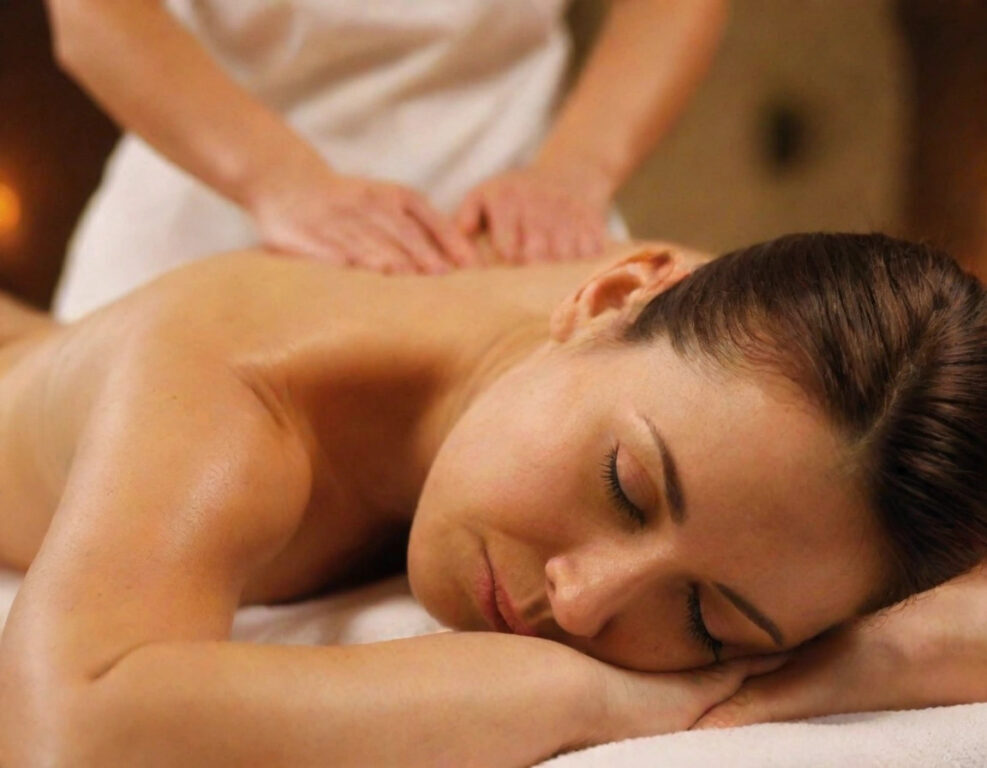
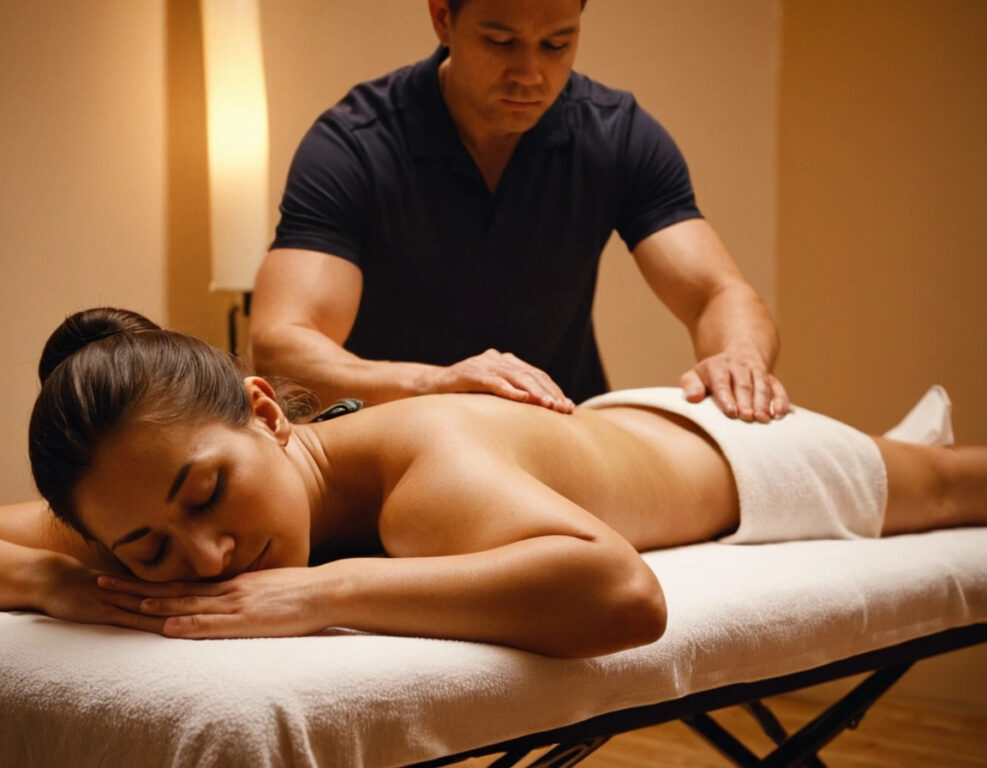
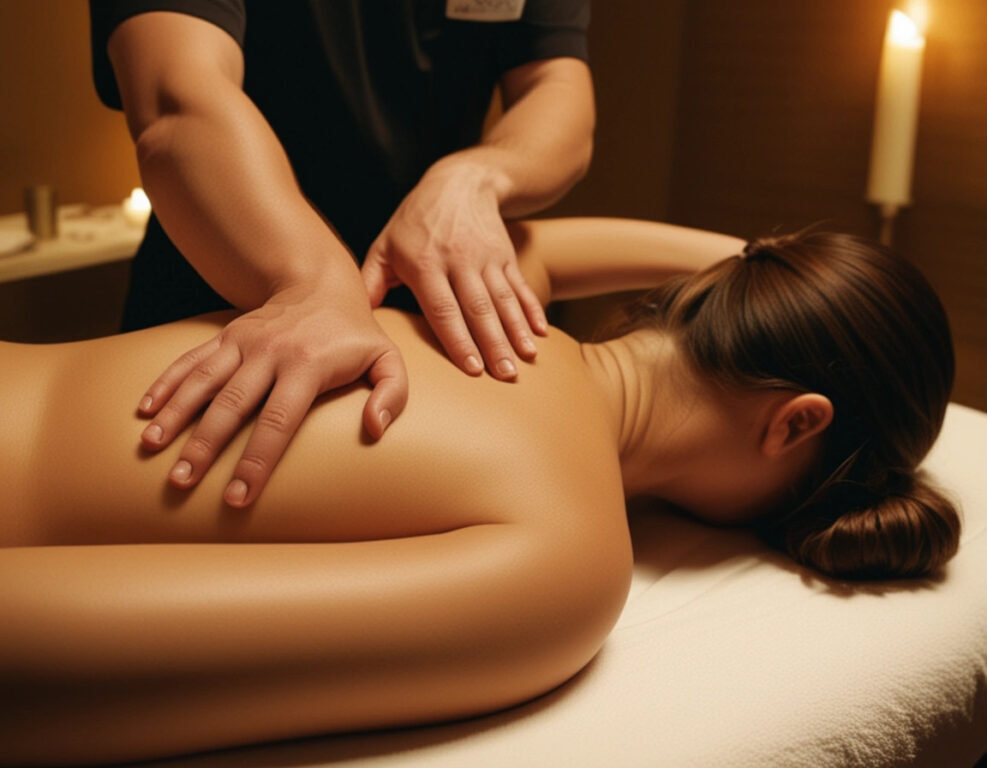
Massages are no longer that spa treat you give yourself once a year. Today they’re used as a real therapeutic tool, with evidence behind it, to lower stress, recover muscles, and even improve your mood. If you’re thinking about diving into this headfirst or you simply want to understand why so many people recommend them, here are 7 tips about massages that really make a difference.
Tip 1: A massage isn’t a luxury, it’s body maintenance
When someone says massages are a luxury, I feel like asking them how much they spend on coffee a month. A therapeutic massage, done with good judgment, is more like going to the dentist than an indulgence. It releases accumulated tension, improves circulation, and reduces cortisol, the hormone that spikes with chronic stress.
I’ve seen people with years of lower back pain who start going every 15 days and notice a massive change. It’s not magic; it’s that they were treating the symptom with pills and never touched the cause: sustained muscle contraction.
Tip 2: Choose the type of massage based on what’s going on with you, not on what sounds exotic
There’s a lot of confusion here. People show up and ask for «a relaxing one» without knowing that there are styles suited to specific problems. Swedish massage works well for general relaxation, with long strokes and medium pressure. Deep tissue goes into the deeper layers of the muscle and is what a physiotherapist usually recommends for chronic contractions or injury recovery.
Shiatsu, of Japanese origin, works with finger pressure on specific points and seeks to rebalance the body. And if you have a specific contraction in your back, a sports or deep-tissue massage will serve you better than a gentle relaxing one.
The key: ask yourself what you’re going for. Better sleep? Releasing your neck area? Recovering from a race? The answer completely changes the type of massage you need.
Tip 3: Pressure isn’t «the harder, the better»
Classic beginner mistake: enduring the pain thinking it works better that way. False. If you clench your teeth during the session, your body goes on alert, releases adrenaline, and the massage loses much of its therapeutic effect.
The right pressure is the one that feels intense but tolerable, the kind that makes you exhale and not contract the muscle. If the therapist doesn’t ask you about the pressure, that’s a bad sign. And if you’re embarrassed to say it hurts, you’re throwing your money away.
A good masseur adjusts the intensity in each area. On the neck and inner arms, the skin and nerves are more sensitive; on the glutes and upper back, more pressure can be applied. That’s technique, not brute force.
Tip 4: Before the first session, prepare your information
If it’s your first time, you’ll fill out a form with your medical history. Don’t fill it out in a hurry. Recent surgeries, pregnancy, clotting problems, hernias, cancer under treatment, or active sports injuries completely change the approach.
It’s also a good idea to say which areas you don’t want touched. There’s nothing wrong with asking. A professional therapist will respect it without any drama.
About clothing: most people stay in their underwear, but you decide. If you feel more comfortable in light clothing, say so. Privacy is covered with sheets or towels, and the therapist only uncovers the area they’re going to work on.
Tip 5: During the session, communicate (without being overwhelming)
Absolute silence isn’t mandatory. If the pressure is too much, say so. If an area bothers you, say so. If you fall asleep, perfect, that’s a good sign. Massage is a dialogue between your body and the therapist’s hands.
The environment should help you: dim light, soft music, pleasant temperature. If something doesn’t feel right, ask them to change it. You’re not taking an exam; you’re paying for a service.
And watch out for your phone. Leaving it on silent, better in another room. A notification mid-session cuts the relaxing effect short.
Tip 6: After the massage, don’t rush off to do the shopping
This is where many mistakes are made. After a session, especially if it’s been deep, it’s normal to feel a bit dizzy or foggy-headed. Your body has just moved toxins and lymphatic fluid, so drink water and give yourself some quiet time.
If you can, don’t go straight back to a stressful job. A gentle walk, a warm shower, and rest are ideal. The next day you may feel soreness, especially if they’ve worked on loaded areas. It’s normal and usually goes away in 24-48 hours.
What you should avoid right after: alcohol, heavy meals, and intense exercise. Your body is in recovery mode.
Tip 7: Frequency matters more than duration
A two-hour massage once a year doesn’t fix anything. The key is regularity. For general maintenance, one session a month works well. If you have chronic pain or are recovering from an injury, the therapist may recommend every 7 or 15 days at first.
Think of massage like going to the gym: consistency makes the change. And no, you don’t need endless sessions. 50 or 60 well-focused minutes deliver more than 90 minutes without focus.
Beyond the back: how it influences your mental health
Massage doesn’t just relax muscles. It activates the parasympathetic nervous system, the one that slows things down, and releases endorphins, those hormones that leave you with a sense of well-being that’s hard to explain. It also reduces cortisol and can improve sleep if done in the late afternoon.
There are studies that point to improvements in anxiety and mild depressive states when massage is used regularly, always as a complement and never replacing psychological or psychiatric treatment. That should be made clear: massage helps, but it isn’t a standalone therapy for mental disorders.
Mistakes I see over and over again
- Going to a massage without having eaten anything for hours: your blood pressure can drop and you can feel dizzy.
- Choosing a professional by price and not by training. An unqualified masseur can hurt your neck or lower back.
- Always asking for the same thing even though your body is asking for something else.
- Not drinking water afterward or resting enough.
- Believing that a single massage fixes a years-old problem.
When should you NOT get a massage?
There are situations where it’s best to stop. Fever, active infections, thrombosis, recent fractures, open wounds, or burns in the area. Also with cancer with bone metastases without medical authorization, or during the first trimester of pregnancy without a specialized professional.
If you have doubts, check with your doctor first. A good therapist will ask for that information and won’t take the job if there’s risk. The one who accepts everything without asking, run.
Conclusion, no beating around the bush
Massages work, but not by magic. They work when you choose the right type, go regularly, communicate what you feel, and let your body recover afterward. If you do that, you’ll notice changes within weeks: less tension, better sleep, more mobility, and a clearer head.
If you only go once because someone gave it to you as a gift, that’s fine, but don’t expect miracles. The difference between someone who takes care of themselves and someone who doesn’t usually lies in those small repeated habits. And massage, used well, is one of them.