Post actualizado el día octubre 25, 2026 by DeiviSanzPlay
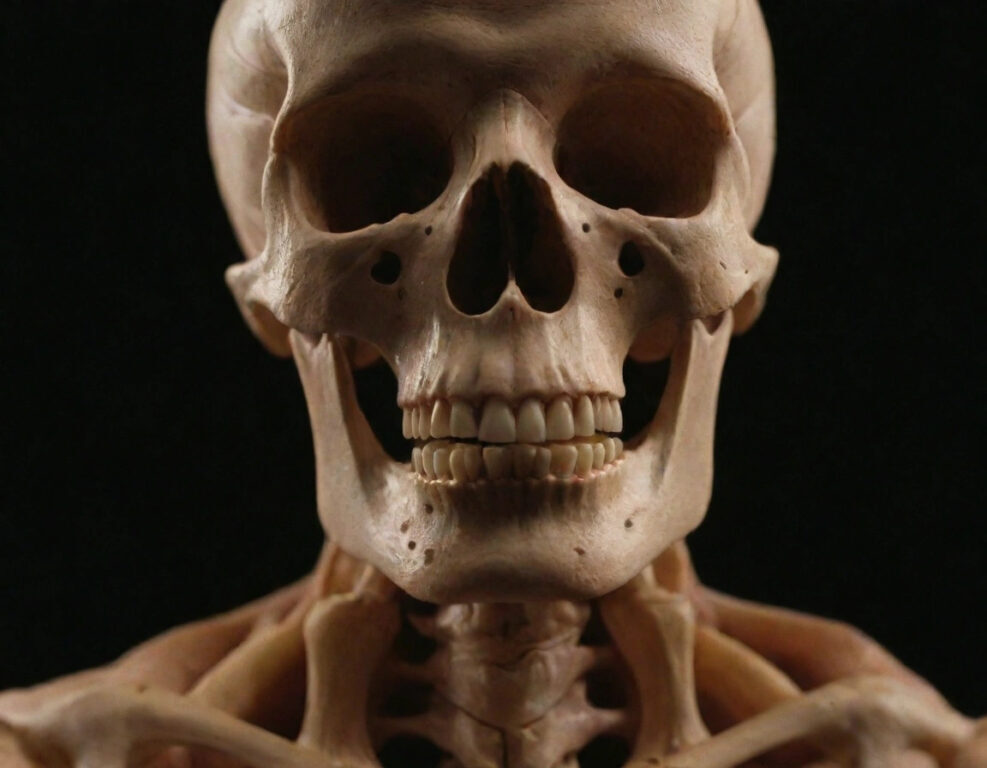
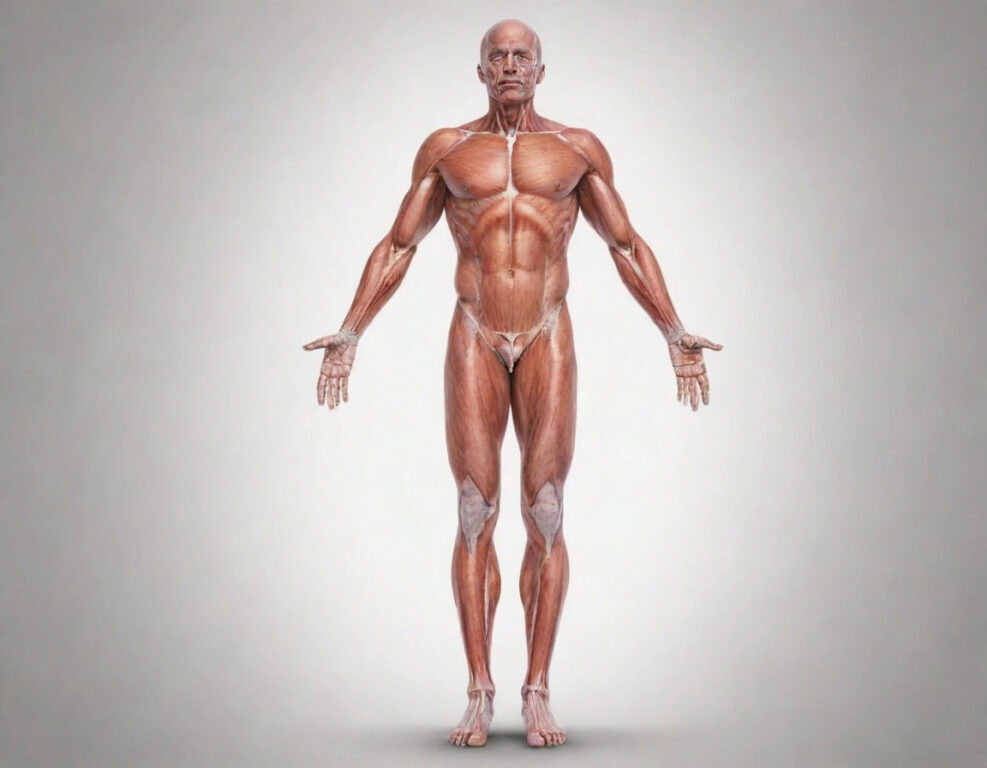
The human body is not a bag of loose organs. It is organized into regions that work as a team, and knowing how they connect helps you understand why what hurts, hurts and what to do about it. Here are the 9 regions of the human body you should know, without beating around the bush and with verifiable facts.
1. The head: the control center that consumes more energy than you think
The head houses the brain, eyes, ears, nose, and mouth. The brain weighs about 1.4 kg and consumes nearly 20% of the oxygen and glucose we use at rest. That means that, even if you don’t notice it, your head is working flat out even when you sleep.
It also contains the pituitary gland, which regulates growth and hormones, and the hypothalamus, which controls temperature and hunger. The skull protects that entire system. If you have ever had a severe migraine, you know that the head region is not just a bony support: it is a complex ecosystem.
2. The neck: the highway that connects the head and the trunk
The neck is much more than a stalk. Inside it pass the carotid artery and the jugular vein, which carry blood to the brain and bring it back. There are also the trachea, the esophagus, and the thyroid gland, which regulates metabolism.
The cervical spine, made up of seven vertebrae, allows the head to turn, tilt, and stay upright. The neck muscles support an average weight of about 5 kg. When you spend hours looking at your phone, that region becomes overloaded and the famous neck pain appears. Taking care of your posture is not an aesthetic whim, it is health.
3. The thorax: where life is pumped and breathed
The thorax is the box that protects the heart and lungs. The ribs and sternum form a cage that prevents direct blows. The diaphragm, a muscle at the base, is the main engine of breathing: when it contracts, the lungs fill with air.
Here is also the thymus, a gland key to the immune system during childhood. The heart beats about 100,000 times a day and pumps about 7,500 liters of blood. The lungs, for their part, have about 480 million alveoli that oxygenate the blood. If the thorax fails, everything else shuts down.
4. The abdomen: the digestive and metabolic factory
The abdomen is the center of digestion and metabolism. Here live the stomach, liver, pancreas, intestines, and kidneys. The liver is the body’s chemical laboratory: it filters toxins, stores energy, and produces bile. The pancreas secretes insulin and digestive enzymes.
The kidneys filter about 180 liters of blood a day and produce urine. The abdominal muscles, in addition to supporting posture, protect these organs. When the abdomen hurts, it can be a sign of something serious. Don’t ignore it.
5. The pelvis: reproduction, support, and balance
The pelvis is a key region for reproduction and excretion. In women it houses the uterus, ovaries, and vagina; in men, the prostate and testicles. It also contains the bladder and rectum.
Its bony structure supports the weight of the body and allows leg movement. During pregnancy, the pelvis adapts for childbirth. In addition, it is essential for maintaining balance when we walk or stand. A healthy pelvis prevents lower back pain and pelvic floor problems.
6. The back: the axis that keeps you standing
The back is the spinal column, made up of 33 vertebrae that protect the spinal cord. From it emerge the spinal nerves that transmit signals from the brain to the rest of the body. The back muscles, such as the spinal erectors, allow you to lift weight and maintain posture.
Back pain is one of the main causes of work disability. Strengthening the core and avoiding a sedentary lifestyle is the best prevention. The back is not just a stick: it is a dynamic structure that adapts to every movement.
7. The arms: tools of precision and communication
Arms allow us to manipulate objects, write, cook, and hug. They are made up of the humerus, radius, and ulna, as well as muscles such as the biceps and triceps. Tendons and ligaments give them stability.
But arms also communicate. Gestures with the hands and arms convey emotions and reinforce language. Without them, social interaction would be much more limited. That is why, when there is an arm injury, we lose not only mobility, but also part of our expression.
8. The legs: mobility and support for the whole body
Legs support us and move us. The femur is the longest and strongest bone in the body, and together with the tibia and fibula they form the skeleton of the leg. The quadriceps, hamstrings, and calf muscles generate the strength to walk, run, and jump.
The legs also contain important veins and arteries. Blood circulation depends in part on the muscular contraction of the legs, which acts as a pump. Sitting for a long time without moving them favors fluid retention and blood clots. Moving your legs is not just a matter of physical fitness, it is circulatory health.
9. The feet: balance, cushioning, and the foundation of everything
The feet are the foundation of balance and movement. Each foot has 26 bones, 33 joints, and more than 100 muscles, tendons, and ligaments. That complexity allows adaptation to uneven terrain and absorbs the impact of each step.
The plantar arch acts as a natural spring. However, inadequate footwear and excess weight damage that structure. Taking care of your feet includes choosing footwear well, stretching your calves, and not ignoring persistent pain. The next time you walk barefoot around the house, think about everything they do for you.
Why knowing these 9 regions of the human body gives you an advantage
Knowing how the body is organized is not just general knowledge. It helps you interpret symptoms, prevent injuries, and communicate better with doctors. For example, pain in the abdomen can come from the liver, the stomach, or the kidneys, and knowing which region is affected speeds up diagnosis.
In addition, understanding the biomechanics of the back, legs, and feet allows you to improve your posture and physical performance. It is not about memorizing names, but about connecting the dots. The human body is an integrated system, and each region has its role.
So now you know: these 9 regions of the human body are the basis for understanding yourself better. Take care of them, move them, and don’t wait until they hurt to pay attention to them.