Post actualizado el día octubre 25, 2026 by DeiviSanzPlay
Acorn-fed Iberian ham doesn’t come from a factory. It comes from a dehesa, from a pig that has walked kilometers eating acorns, and from a process that lasts up to four years. I’ll tell you how it’s really made, without romanticism and with the data that matters.
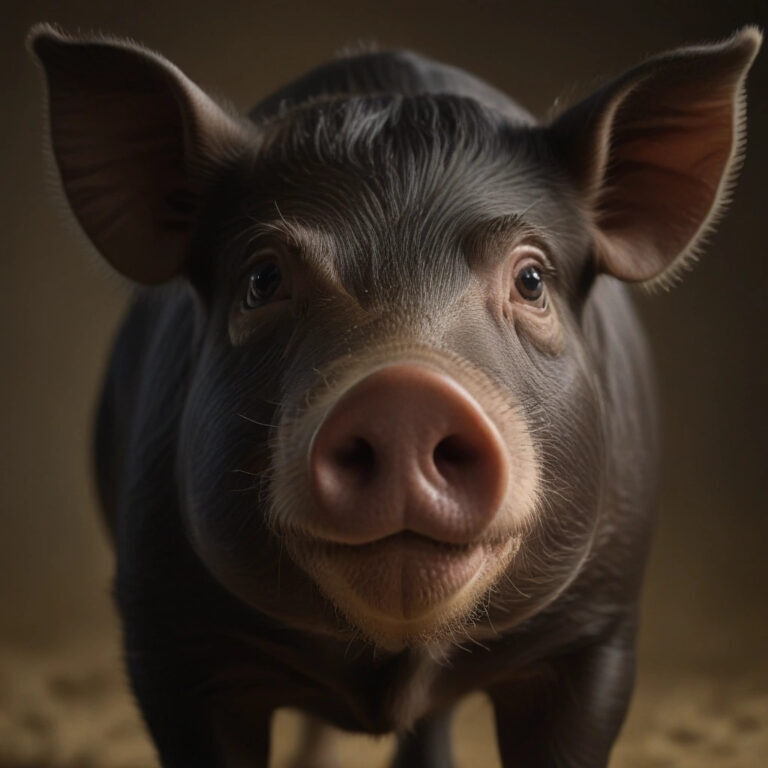
The Iberian pig: the breed that changes everything
It all starts with genetics. A pure Iberian pig is not the same as a 50% or 75% crossbreed. The Iberian breed has a unique ability to infiltrate fat into the muscle, which translates into that marbling that makes the ham melt in your mouth. Without that infiltration, no matter how many acorns you give it, you won’t achieve the same result.
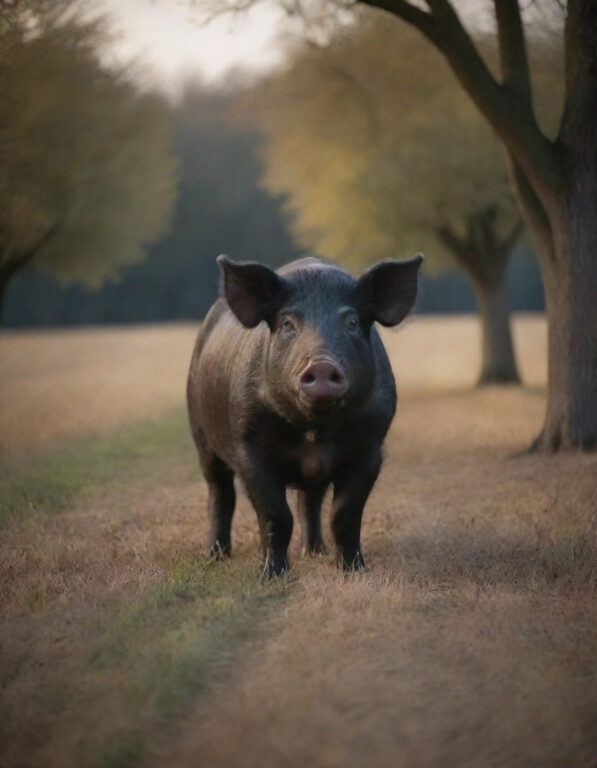
Iberian pigs are raised free-range. In the dehesa, with an average of one hectare per animal during the montanera. It’s not a random figure: if you put in more pigs, the acorns run out and the animal falls back on feed. And there goes the miracle.
Animal welfare is not a fad. A stressed pig doesn’t infiltrate fat the same way, and that shows in the final flavor. Serious breeders know this and that’s why they respect the timing and the space.
The montanera: the phase that defines the flavor
The montanera runs from October to March, when the holm oaks, cork oaks and Portuguese oaks drop their acorns. During those months, the Iberian pig can double its weight. It goes from about 80-100 kilos to 160-180 kilos, and it does so by eating acorns, grass and whatever it finds in the field.
The acorn has a fatty acid profile that looks suspiciously like olive oil. In fact, the fat of acorn-fed Iberian ham is rich in oleic acid, and that explains why it melts at room temperature. It’s not magic, it’s biochemistry.
Here comes a nuance that many ignore: not all acorns are the same. Holm oak acorns are sweeter and fattier; cork oak acorns, more bitter. A good master ham curer knows how to distinguish the origin of the pig by the taste of the fat.
Slaughter and salting: millimeter precision
Once the pig reaches the optimal weight, it is slaughtered following strict animal welfare regulations. Immediately afterwards, the meat is chilled and prepared for salting.
Salting is a critical step. The ham is covered with sea salt for a time that depends on the weight and thickness of the piece. Normally, one day per kilo, but adjusting according to humidity and temperature. If you overdo the salt, the ham becomes unusable; if you fall short, it rots.
After salting, the hams are washed to remove excess salt and hung in drying chambers. Here begins the natural curing, which lasts between 6 and 18 months depending on the area and the type of ham.
Drying, curing and maturing in the cellar
Drying is done in warehouses with natural ventilation, where the ham loses water little by little. The temperature and humidity of the area are key. Curing in Jabugo is not the same as in Guijuelo, and that shows in the final result.
Then comes the curing cellar. Here the ham spends months, even years, in a controlled environment. The fat infiltrates further into the meat, the flavor concentrates and those nuances of nuts, wood, umami appear. The complete process can last between 24 and 48 months, depending on the size and the style.
The master ham curer does the final test: he pierces each ham with a bone or steel needle to smell the fat. If it doesn’t pass the exam, it doesn’t carry the acorn-fed Iberian label. As simple as that.
Where is the best acorn-fed Iberian ham produced?
The areas with the most tradition are Extremadura, Andalusia (especially Huelva), Castilla y León (Salamanca) and some parts of Castilla-La Mancha. The Jabugo PDO, in Huelva, is the most famous, but the Guijuelo PDO, in Salamanca, also has spectacular hams.
The climate and the dehesa make the difference. In Jabugo, the humidity and temperature allow for slower and deeper curing. In Guijuelo, the colder, drier climate gives hams with a more intense and less sweet profile. Neither is better than the other; they are different styles.
What is true is that the designation of origin alone does not guarantee quality. There are mediocre PDO hams and excellent hams without a PDO. The key lies in the producer and the process.
Labeling: how to know what you’re buying
The colored label system in Spain is useful, but not infallible. The black label is for 100% Iberian acorn-fed Iberian ham. The red, for acorn-fed Iberian ham not 100% Iberian. The green, for free-range feed-fed Iberian, and the white, for feed-fed Iberian.
But beware: a black label doesn’t mean the ham is good. It means it meets certain minimums. Then you have to look at the vintage, the curing time and, above all, the producer’s reputation.
If you see an acorn-fed Iberian ham for 80 euros, be suspicious. The cost of production is high: the montanera, the space, the curing time. An authentic, well-cured acorn-fed ham doesn’t go below 300-400 euros for the whole piece.
Frequently asked questions about acorn-fed Iberian ham
What is the difference between Iberian ham and serrano ham?
The breed and the feed. Iberian comes from Iberian breed pigs, and the acorn-fed one feeds on acorns during the montanera. Serrano comes from white breeds and is cured in a similar way, but the fat and flavor profile is completely different.
Why is it so expensive?
Because an acorn-fed Iberian pig needs a hectare of dehesa, eats acorns for months and the ham is cured for between 2 and 4 years. It’s a luxury product because the process is slow and limited.
How is it stored?
In a cool, dry place, without sudden temperature changes. If it’s whole, hanging or on a ham stand. If it’s sliced, in plastic wrap and the fridge, but taking it out a while before eating so it comes to temperature.
How is it cut?
In thin, almost transparent slices, at room temperature. The cut should be perpendicular to the grain and with a well-sharpened knife. If the ham is cold, the fat doesn’t melt and you lose half the experience.
Can you eat the fat?
Yes, and you should. The fat of acorn-fed Iberian ham is healthy, rich in oleic acid, and it’s what gives the flavor. Removing it is a rookie mistake.
Acorn-fed Iberian ham is not a whim. It’s the result of an ecosystem, a breed and a process that cannot be accelerated. If someone promises you otherwise, they’re selling you something else.