Post actualizado el día octubre 25, 2026 by DeiviSanzPlay
Alarm monitoring companies are not simple switchboards that ring when someone enters. They are the filter between a sensor being triggered and a patrol car arriving at your home. And that filter, in 2026, makes the difference between a scare and a completed burglary.
I have been looking into how these companies operate from the inside, and there are things they don’t tell you on the commercial website. I’ll tell you straight, no frills.
How an alarm monitoring center really works
When you sign up for an alarm monitoring service, what you are paying for is a permanent connection between your panel and a receiving center. That center is staffed by people (yes, humans, not just software) who receive the signal within seconds.
The usual protocol is this: a sensor trips, the signal reaches the monitoring center, the operator calls the account holder to verify. If you don’t answer or give the wrong code, the police, fire department or ambulance are dispatched depending on the type of event.
The detail almost no one mentions: prior verification is what separates a serious service from one that generates false alarms every week. In Spain, for example, regulations and police protocols penalize false alarms, and companies that don’t filter properly end up with legal problems and clients who get fined.
Types of alarms that can be monitored (and which ones aren’t worth it)
Not everything that sounds an alarm is monitored the same way. These are the real categories:
- Intrusion alarms: opening, motion and impact sensors. They are the core of the business.
- Fire alarms: smoke and temperature detectors. Here monitoring is critical because every second counts.
- CO2 and gas monitoring: often forgotten, but a carbon monoxide leak kills without making a sound.
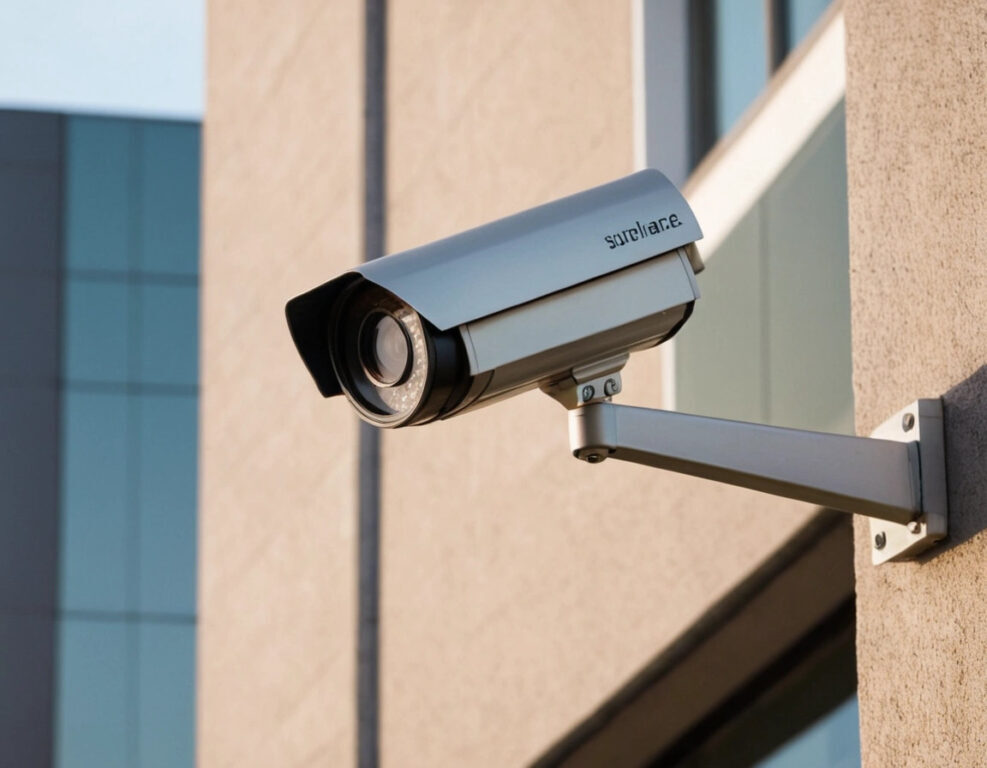
- Security cameras with video verification: the operator sees what is happening before calling the police. It reduces false alarms to almost zero.
- Medical panic alarms: buttons that trigger healthcare services, typical in senior residences.
What isn’t worth monitoring: interior door sensors in a home where someone is always there. Paying for 24/7 monitoring for that is throwing money away.
Traditional alarm vs. monitored alarm: the difference that matters
A traditional alarm only makes noise on site. If you are traveling in another country, the neighbor may ignore it or may not be there. A monitored alarm sends the signal to a center that acts even when you are not there.
The key lies in redundancy: alarm monitoring companies use dual communication paths (IP + GSM). If the line or the wifi is cut, the system keeps reporting over the mobile network. Systems that rely only on a landline are a joke in 2026.
One fact I have verified: burglaries with force in homes occur mostly when no one is there. If your alarm is not monitored, the deterrent switches off as soon as the burglar knows you are away.
What to look at before hiring an alarm monitoring company
Here you can’t go by price alone. These are the questions I would ask before signing:
- Do they have their own center or do they subcontract? If they subcontract, response time gets diluted.
- How long do they take to call you? Ask for the SLA in writing. Under 30 seconds is reasonable.
- Do they offer video verification? It reduces false alarms and speeds up the police response.
- What happens if I want to leave? Three-to-five-year contracts with penalties are a common trap.
- Do they integrate home automation? Being able to view cameras and arm the system from your phone is no longer an extra, it’s the bare minimum.
Reputation matters, but the contract matters more. I have seen companies with glowing reviews and abusive lock-in clauses. Read everything.
Mistakes people make (and that I have made)
The first: signing up for monitoring and never testing the system. Do a real test every six months. Call the center and simulate an intrusion. If they don’t know who you are, something is wrong.
The second: not updating your contacts. If you change your mobile number and don’t update it, the operator calls a dead number while your home is being broken into.
The third: confusing monitoring with physical surveillance. The monitoring center doesn’t have anyone watching your house 24 hours a day. It reacts to signals; it doesn’t prevent anything on its own. Prevention is the deterrent of the sign and the visible cameras.
The future of alarm monitoring in 2026
The clear trend is video verification with AI. Operators no longer call blind: they receive a 10-second clip and decide. This speeds everything up and drastically reduces false alarms.
Alarm monitoring is also growing for small businesses with temperature and humidity sensors, to prevent losses in warehouses or cold rooms. It’s not all about security against thieves.
And watch out for promises of «100% automatic AI monitoring.» AI helps, but the decision to send the police still requires human judgment. Companies that eliminate operators are getting more complaints and more false alarms.
In short: a useful alarm monitoring company is one that verifies quickly, has its own center, dual communication paths and doesn’t tie you down with absurd lock-in periods. The rest is marketing.