Post actualizado el día octubre 26, 2026 by DeiviSanzPlay
Kangaroos and koalas get all the attention when people talk about animals with pouches for their young. But the marsupial world is way weirder and wider than that postcard version. Some of these creatures swim, some dig tunnels like tiny bulldozers, and a few don’t even look like mammals at first glance. Here’s the real rundown.
What Is a Marsupium, Exactly?
A marsupium is the technical name for the pouch. It’s not just a pocket of skin. It’s a full-on life-support system: a warm, dark, sterile-ish chamber with a teat inside where the joey latches on and stays for weeks or months.
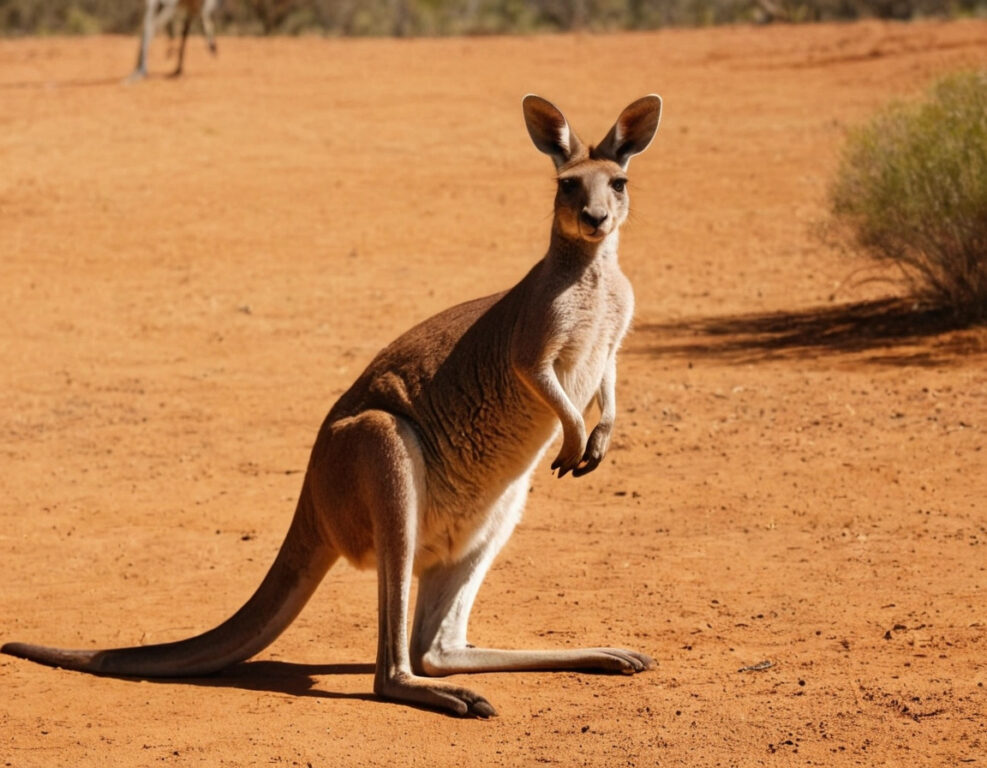
The key detail most people miss: marsupials give birth to what are essentially embryos. A red kangaroo newborn weighs less than a gram and looks like a pink jellybean. It crawls from the birth canal to the pouch using just its forelimbs, and that journey is one of the most brutal feats in the animal kingdom.
So when we talk about animals with pouches for their young, we’re not talking about a cute accessory. We’re talking about a reproductive strategy that ditches long pregnancies in favor of external incubation. It’s a trade-off, and it works.
Wombats: The Tank of the Pouch World
Wombats are Australian marsupials that look like a cross between a small bear and a furry brick. They’re built for digging, with rodent-like incisors and a backwards-facing pouch.
That backwards pouch isn’t a design flaw. It’s brilliant engineering. Since wombats dig constantly, a forward-facing pouch would fill with dirt every time they burrowed. So evolution flipped it. The joey rides in a pouch that opens toward the mother’s rear, keeping the dirt out and the baby in.
Wombats also produce cube-shaped droppings, which is a whole other conversation, but it tells you something: these animals are not here to be predictable. If you’re compiling a list of animals with pouches for their young, the wombat earns its spot on pure weirdness alone.
Quokkas: The «Happiest Animal» Has a Pouch Too
Quokkas became internet famous for looking like they’re smiling in every photo. Tourists flock to Rottnest Island in Western Australia to snap selfies with them. What most of those tourists don’t know is that quokkas are marsupials with a fully functional pouch.
The joey stays inside for around six months. After that, it starts venturing out but keeps diving back in when it feels threatened. Quokka mothers can even eject a joey from the pouch if they’re being chased, a grim but effective survival tactic that buys the mother time to escape and breed again.
That’s the cold logic behind animals with pouches for their young: the pouch isn’t sentimental. It’s a strategic incubator that can be sacrificed if the math demands it.
Marine Animals With a Pouch? Sort Of.
Here’s where it gets murky. Some fish, like guitarfish and certain rays, have a structure that functions similarly to a uterus, where embryos develop internally before being born live. It’s not a true marsupium, and calling them «marsupial fish» is a stretch that biologists would push back on.
That said, the comparison isn’t useless. Nature has invented the «carry the young in a protected sac» trick multiple times across completely unrelated lineages. Seahorses and pipefish use a male brood pouch. Some frogs carry eggs in pouches on their backs. The pattern is everywhere.
So if you’re asking whether there are marine animals with pouches for their young, the honest answer is: not in the marsupial sense, but yes in the functional sense. Convergent evolution loves this trick.
Tasmanian Devils, Bilbies, and Other Pouch Owners You Overlooked
The marsupial roster is long. Beyond the celebrities, you’ve got:
- Tasmanian devils: Fierce carnivorous marsupials whose females have a pouch that opens backward, like the wombat’s. They can carry up to four joeys at once, even though they give birth to 20 or 30 embryos.
- Bilbies: Small, rabbit-eared marsupials from Australia’s deserts. Their pouch opens downward and backward, again to keep sand out while digging.
- Numbats: Termite-eating marsupials with a pouch that only develops during breeding season. Outside of that window, it basically disappears.
- Opossums: The only marsupials native to North America. Females can carry a dozen or more babies in the pouch, and when they get too big, the joeys ride on mom’s back like a furry bus.
Each of these species uses the pouch differently. There’s no single template. That variability is what makes the marsupial strategy so resilient.
Why the Pouch Beats a Long Pregnancy (Sometimes)
Placental mammals, including humans, invest heavily in gestation. The fetus grows inside the mother for months, and the mother carries the full metabolic cost the entire time. It’s energy-expensive and it slows her down.
Marsupials flip the script. Birth happens early, when the embryo is barely formed. The pouch takes over from there. The mother can keep moving, foraging, and escaping predators while the joey grows. If food runs out, she can pause development or abandon the joey and try again later.
That flexibility is why animals with pouches for their young dominated Australia and parts of South America for millions of years. In unpredictable environments, a shorter pregnancy and a portable nursery is a winning hand.
The Pouch Isn’t Cute. It’s a Survival Machine.
It’s easy to romanticize the pouch as a cozy little pocket. It isn’t. It’s a high-stakes gamble that trades quantity of offspring for quality of care, and it demands the mother stay alive long enough to raise the joey inside it.
Next time someone mentions kangaroos and stops there, you’ve got a better answer. Wombats with backwards pouches, devils with 30 embryos and four slots, quokkas that eject their young under pressure. That’s the real story of animals with pouches for their young.