

Post actualizado el día octubre 26, 2026 by DeiviSanzPlay
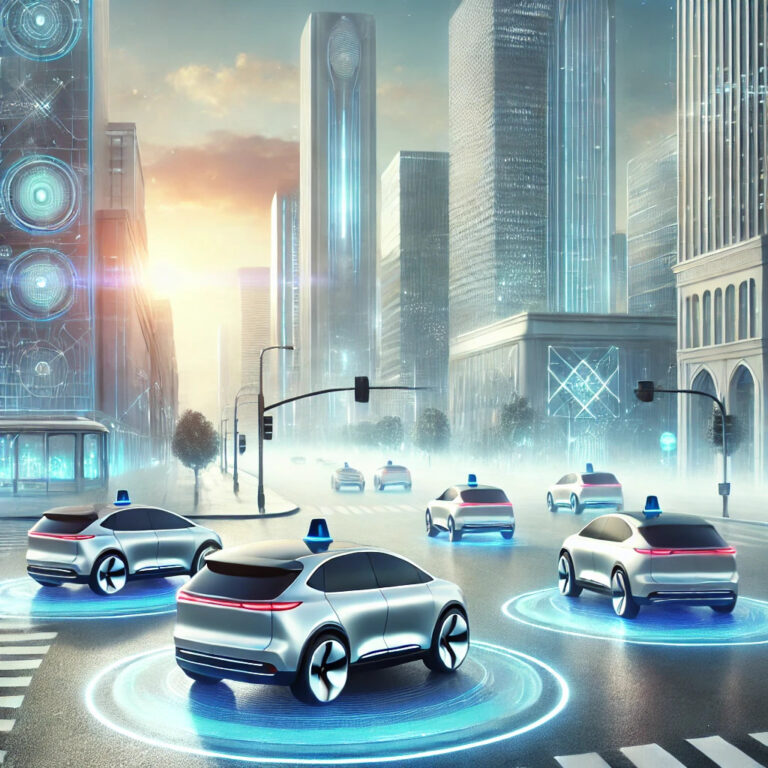
Picture this: you wake up, get in your car, and instead of gripping a steering wheel, you just kick back and let the machine do the driving. No license, no stress, no road rage. That’s not a sci-fi fantasy anymore—it’s the direction we’re heading, and it’s happening faster than most people realize.
The idea of not needing a driver’s license in 2026 isn’t just clickbait. It’s the logical endpoint of a revolution in autonomous vehicles that’s been quietly gaining speed for years. And honestly, the question isn’t whether it will happen, but how soon you’ll be able to legally nap in the driver’s seat.
Autonomous Vehicles Are Already on the Road (Sort Of)
Let’s cut through the hype. Waymo has been running fully driverless ride-hailing services in cities like Phoenix, San Francisco, and Los Angeles for a while now. You can literally order a car with no one behind the wheel through an app. That’s not a test—that’s a commercial service.
What’s missing is the legal framework that lets you own one and operate it without a license. But several states in the US, including California, Arizona, and Texas, have already passed laws allowing autonomous vehicles to operate without a human driver. The catch? You still need a license to own and register a car in most places. That’s the piece that’s about to change.
In 2026, we’re likely to see the first real push to decouple vehicle ownership from driving credentials. If the car drives itself, why should you need to prove you can drive? It sounds radical, but so did seatbelt laws once.
The Safety Argument That’s Changing Everything
Here’s where it gets interesting. Human error causes about 94% of car crashes, according to the National Highway Traffic Safety Administration. Autonomous vehicles, powered by AI and a mix of lidar, radar, and cameras, don’t get distracted, drunk, or tired. They don’t text. They don’t road rage.
That’s not to say they’re perfect. There have been high-profile incidents, and the technology still struggles with edge cases like construction zones or heavy rain. But the data is trending in one direction: fewer accidents per mile than human drivers. When that gap becomes undeniable, the legal argument for requiring a human driver’s license collapses.
Think about it: if an autonomous car is statistically safer than a human, keeping a license requirement becomes a liability issue. Insurance companies will push for it. Cities will push for it. And eventually, lawmakers will follow.
What Happens to Your Commute (and Your Time)
This is the part nobody talks about enough. If you don’t have to drive, you get your time back. The average American spends about 300 hours a year behind the wheel. That’s over 12 full days. Imagine what you could do with that time.
You could work, sleep, watch a show, learn a language, or just stare out the window without worrying about the guy tailgating you. The car becomes a mobile living room. And that changes everything—from real estate values (why live near a train station when your car is a train?) to how we design cities.
Some companies are already experimenting with this. Tesla’s Full Self-Driving beta is getting closer to true autonomy, and Mercedes-Benz has a Level 3 system that lets you take your eyes off the road in traffic jams. It’s not full autonomy yet, but it’s a preview of what’s coming.
The Legal and Ethical Hurdles Nobody Wants to Talk About
Let’s not pretend this is all smooth sailing. There are real questions. Who’s liable if an autonomous car crashes? The manufacturer? The software developer? The owner? Right now, it’s a mess of lawsuits and patchwork regulations.
Then there’s the privacy issue. These cars are basically data-gathering machines. They know where you go, when you go, and what you do in the car. That’s a goldmine for advertisers and a nightmare for privacy advocates. If you think your phone tracks you, wait until your car starts selling your commute data.
And let’s not ignore the elephant in the room: job loss. Millions of people drive for a living—truckers, taxi drivers, delivery drivers. Autonomous vehicles will hit them first. The transition won’t be painless, and pretending otherwise is dishonest.
Why 2026 Is the Tipping Point
So why 2026? Because the technology, the regulations, and the public mood are all converging. More cities are allowing driverless tests. More companies are deploying commercial services. And more people are realizing that humans are terrible drivers.
We’re not going to wake up one day and find that driver’s licenses are abolished. It’ll be gradual. First, you won’t need a license to ride in an autonomous taxi. Then, you won’t need one to own a car that drives itself. Eventually, the idea of manually driving will seem as quaint as driving a horse and buggy.
That doesn’t mean you’ll never drive again. There will always be enthusiasts who want to take the wheel on a track day or a scenic road. But for your daily commute? The car will handle it. And you’ll be free to do something better with your time.
The Bottom Line: Control vs. Convenience
Here’s my take: we’re trading control for convenience, and most people will make that trade happily. The freedom of the open road sounds romantic until you’re stuck in bumper-to-bumper traffic for two hours. If a robot can do that for you, why wouldn’t you let it?
The real question isn’t whether you’ll need a driver’s license in 2026. It’s whether you’ll want one. Because once you experience a car that drives itself, going back to manual feels like going back to a flip phone.
So yes, the steering wheel is on its way out. Not completely, not everywhere, but for everyday driving? It’s already becoming optional. And that’s a future I can get behind—preferably from the passenger seat, with a coffee in hand.
