Post actualizado el día octubre 26, 2026 by DeiviSanzPlay
If you think avocado is just a trendy toast topping, you’re missing the whole picture. This fruit has one of the most unusual nutritional profiles in the plant kingdom, and the tree itself is a beast you can actually grow at home if you know what you’re doing. Let’s cut through the wellness-blog fluff and talk about what’s real.
Why Avocado Fat Is Different From Any Other Fruit
Almost every fruit you eat is basically sugar and water. Avocado flips that entirely. Roughly 15% of its edible flesh is fat, and around 70% of that fat is oleic acid, the same monounsaturated fat you find in olive oil. That’s the nutritional content of avocado in a nutshell: it behaves more like a nut or an olive than like a banana.
This matters because oleic acid is linked to lower LDL cholesterol and better cardiovascular markers. A 2022 study published in the Journal of the American Heart Association followed over 110,000 adults for 30 years and found that eating two or more servings of avocado per week was associated with a 16% lower risk of cardiovascular disease and a 21% lower risk of coronary heart disease.
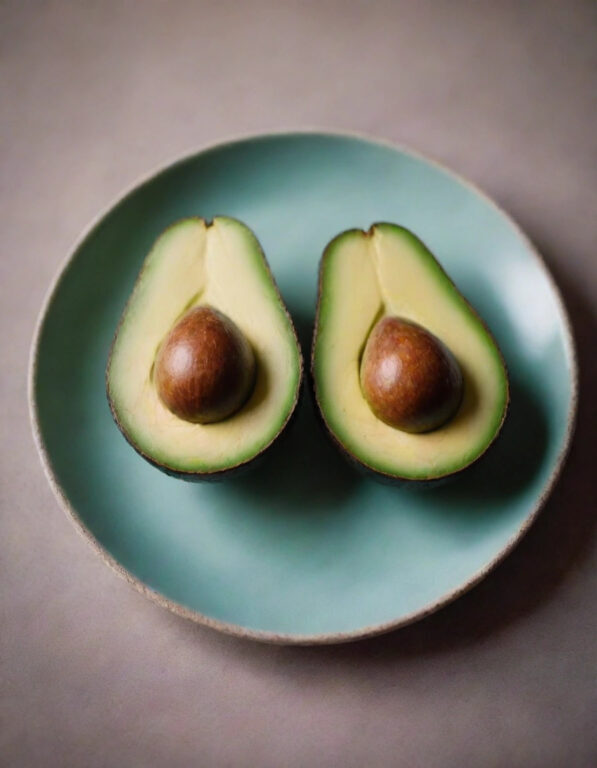
One medium Hass avocado gives you about 240 calories, 20 grams of fat (mostly monounsaturated), 10 grams of fiber, and almost zero sugar. That’s a combination no other fruit pulls off.
Vitamins and Minerals: The Real Breakdown
The health benefits of avocado come from a stack of micronutrients that are hard to find together in one food. Per 100 grams you’re getting:
- Vitamin K: around 21 micrograms, roughly 26% of your daily need. Essential for blood clotting and bone health.
- Folate (B9): about 81 micrograms. Critical during pregnancy to prevent neural tube defects.
- Vitamin E: a fat-soluble antioxidant that protects your cell membranes.
- Potassium: 485 mg per 100 g, more than a banana by weight. Helps regulate blood pressure.
- Vitamin C, B5, B6: solid supporting cast for immunity and energy metabolism.
What most articles skip: avocado also contains lutein and zeaxanthin, two carotenoids that concentrate in your retina. Because avocado fat helps you absorb fat-soluble nutrients, eating it alongside spinach or carrots actually boosts how much of those carotenoids you absorb. That’s a real, measurable effect documented in Nutrition Journal studies.
Is Avocado Fattening? Let’s Settle This
Here’s where I’ll take a side: no, avocado doesn’t make you gain weight on its own. The idea that dietary fat equals body fat is outdated. What matters is total calories and the quality of what you eat.
A 2019 trial in Nutrients found that adding a whole avocado per day to a moderate-fat diet didn’t cause weight gain in overweight adults and slightly reduced belly fat in women. The fiber and fat together trigger satiety hormones like GLP-1 and PYY, so you naturally eat less at your next meal.
But don’t fool yourself either. Half a large avocado is about 160 calories. If you’re adding it on top of an already heavy meal, you’re stacking calories, not balancing them. Portion control still matters, it’s just that the fat itself isn’t the enemy.
The smartest way to use avocado: replace something worse. Swap butter or mayo in a sandwich, not add avocado on top of it.
How to Grow an Avocado Tree From a Pit
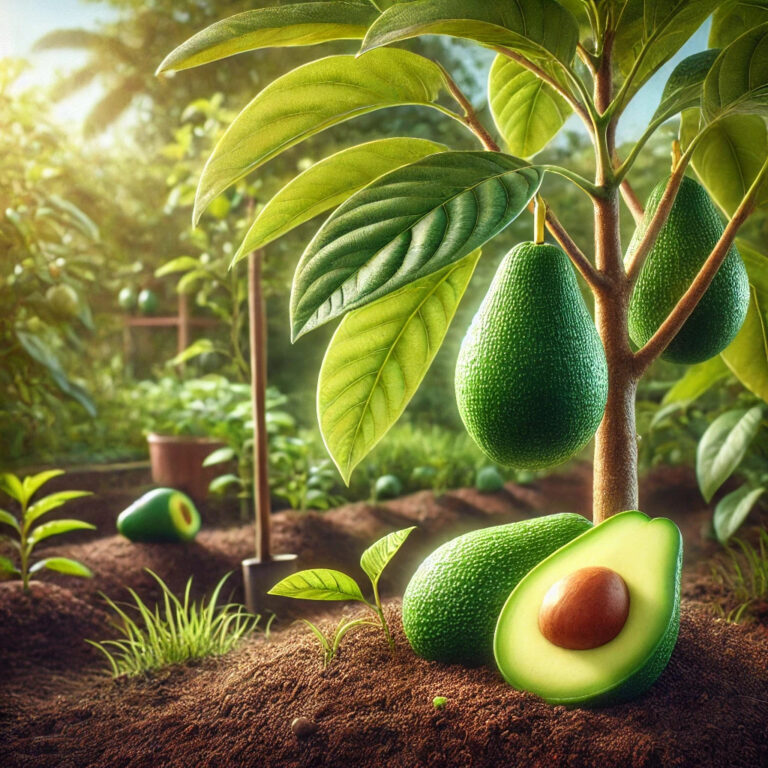
Growing an avocado tree at home is more patience-test than skill-test. Here’s the method that actually works:
- Take a fresh pit and rinse it. Don’t let it dry out.
- Push three toothpicks into the sides so it balances on the rim of a glass.
- Fill with water so the bottom half is submerged. Change the water every few days.
- Wait 4 to 8 weeks for roots and a sprout to appear.
- Plant it in well-draining soil once the roots are a few inches long, leaving the top half of the pit exposed.
One reality check: a tree grown from a supermarket pit usually takes 5 to 13 years to fruit, and the fruit may not taste like the parent. If you want reliable avocados, buy a grafted Hass or Fuerte sapling from a nursery. Hass has that creamy, rough-skinned texture people love; Fuerte is larger, smoother and slightly lighter in flavor.
Avocado trees are tropical, so outdoors they need zones 9 to 11. In colder climates, keep them in a pot and bring them inside before the first frost. They hate waterlogged roots, so a sandy, loose mix beats dense garden soil every time.
Varieties and How to Eat Them Without Ruining the Benefits
There are dozens of avocado varieties, but Hass dominates global production for good reason: high oil content, small seed, thick skin that resists shipping damage. Bacon and Zutano are milder and cheaper. Reed is round and buttery. None of them are bad for you, but the oilier the flesh, the more oleic acid you’re getting.
How you eat it matters as much as which one you buy. Guacamole loaded with processed cheese and chips? You just buried the benefits. Better moves:
- Sliced on whole-grain toast with olive oil and lemon.
- Blended into a green smoothie with spinach and banana.
- Mashed as a substitute for butter in baking (works surprisingly well in brownies).
- Diced into salads with tomatoes and a light vinaigrette.
If you’re watching potassium or kidney function, check with your doctor before eating it daily. Avocado is genuinely high in potassium, which is usually great, but not for everyone.
Quick Answers People Actually Search For
Does avocado lower cholesterol?
Yes, the monounsaturated fat and plant sterols in avocado can lower LDL and modestly raise HDL when it replaces saturated fat in your diet. It’s not a drug, but it moves the numbers in the right direction.
Can I eat avocado every day?
Yes, in moderation. Half to one whole avocado daily fits most adult diets. Just count the calories if you’re managing weight.
Is avocado good for skin?
Vitamin E and oleic acid both support skin barrier function and reduce inflammation. Eating it beats slathering it on, though the topical masks aren’t harmful.
What’s the healthiest way to store a cut avocado?
Leave the pit in, squeeze lemon on the flesh, wrap tightly and refrigerate. You’ll get an extra day or two before it browns.
Bottom line: the avocado tree gives you a fruit that’s nutritionally closer to an olive than to an apple, and that’s exactly why it earns a spot in a serious diet. Grow one if you have the patience, buy good ones if you don’t, and stop treating it like a guilty pleasure. It isn’t.