Post actualizado el día octubre 17, 2026 by DeiviSanzPlay
Mosquitoes ruin barbecues, camping trips and those summer nights when you just want to sit outside. But here’s the thing: most people get bitten because they’re doing the exact opposite of what actually works. I’ve tested enough repellents, plants and old wives’ tales to know which ones are pure marketing and which ones keep mosquitoes from biting you for real.
Why Mosquitoes Bite You and Not Your Friend
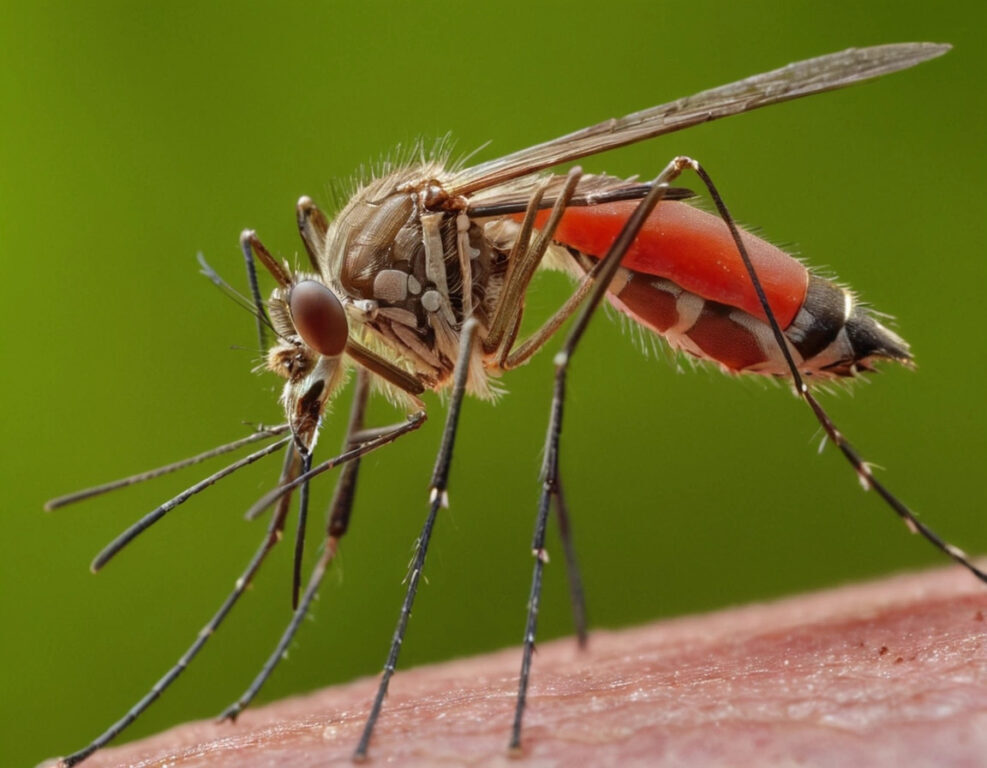
Before you buy anything, you need to understand why mosquitoes bite. They’re not random. Female mosquitoes hunt for blood because they need the protein to develop their eggs, and they track you using carbon dioxide, body heat, lactic acid and even the bacteria living on your skin.
That’s the real reason some people get eaten alive while others walk away untouched. If you breathe heavily, sweat a lot, wear dark colors or have type O blood, you’re basically a magnet. A 2022 study published in Cell even found that mosquitoes are drawn to specific skin acids like carboxylic acids, which some people produce way more of. So no, it’s not your imagination — you’re genuinely more attractive to them.
Knowing this changes the game. You can’t change your blood type, but you can absolutely change how you smell, what you wear and where you sit.
The Repellents That Actually Keep Mosquitoes Away
Here’s where I’m going to be blunt: most natural repellents sold in stores are weak. The Environmental Protection Agency (EPA) only recognizes a handful of ingredients as genuinely effective for how to keep mosquitoes from biting you, and the list is shorter than you’d think.
DEET, picaridin, IR3535 and oil of lemon eucalyptus are the ones backed by solid evidence. DEET gets a bad reputation, but at concentrations between 20% and 30% it’s safe for adults and kids over two months old, according to the CDC. Picaridin is my personal favorite because it doesn’t smell like a chemical plant and works just as well.
Oil of lemon eucalyptus is the best natural option, but it’s not the same as lemon eucalyptus essential oil. That distinction matters — the essential oil alone isn’t registered as a repellent and fades in about 20 minutes. The synthesized version (PMD) lasts up to two hours.
Natural Mosquito Repellents: What Works and What Doesn’t
Citronella candles? Mostly useless unless you’re sitting directly in the smoke. Citronella oil on your skin? Gives you maybe 30 minutes of protection. Lavender, basil and mint plants? They smell nice, but a pot on your patio won’t clear your yard.
If you want natural methods to keep mosquitoes away, the honest answer is: use PMD-based repellent, burn a coil if you’re stationary, and accept that plants are decoration, not defense. I’d rather you know the truth than waste a summer scratching.
Homemade Remedies for Mosquitoes: Worth Trying?
There’s a whole cottage industry around homemade remedies for mosquitoes, and some of them aren’t bad. A mix of witch hazel, a few drops of lemongrass essential oil and a splash of vodka can give you 30-45 minutes of relief if you reapply often. It’s not going to beat picaridin, but for a quick evening on the balcony, it does the job.
Apple cider vinegar? That’s a classic one. Applied to the skin, it may slightly repel mosquitoes, but there’s no strong scientific backing. Plus you’ll smell like a salad. If you like it, go for it, but don’t rely on it in a mosquito-heavy area.
What actually reduces bites at home is fixing your environment. Mosquitoes breed in standing water, and it takes as little as a bottle cap of water for larvae to develop. Empty your flower pot saucers, pet bowls, bird baths and clogged gutters once a week. That single habit does more than any spray.
Clothing and Timing Tricks to Avoid Mosquito Bites
Timing matters more than most people realize. Mosquitoes are most active at dawn and dusk, especially the Aedes and Culex species that bite humans. If you’re gardening at 7 PM in July, you’re basically volunteering as a blood donor.
Wear loose, light-colored, long-sleeved clothing. Tight fabric lets mosquitoes bite through it — yes, really. They can pierce thin cotton. Permethrin-treated clothing is the nuclear option and works incredibly well for hiking or camping, lasting through several washes.
Do Mosquito Nets and Screens Still Matter?
Absolutely. A mosquito net over your bed is the single most effective tool if you live in or travel to a high-risk area. Screens on windows and doors keep them out of your house entirely. It’s low-tech and boring, but it’s the reason malaria rates dropped in so many regions.
Inside your home, a fan helps more than you’d think. Mosquitoes are weak fliers, and a decent airflow disrupts their approach. Combine that with air conditioning and you’ve got a near bite-free bedroom.
Common Mistakes That Get You Bitten
Spraying repellent on your clothes instead of your skin. Missing your ankles, wrists and neck. Applying sunscreen first and repellent second — actually, that’s correct, repellent goes last. Reapplying only once all day when you’re sweating.
And here’s the one nobody talks about: drinking beer. A 2010 study found that people who drank a liter of beer were significantly more attractive to mosquitoes, likely due to increased skin temperature and ethanol in sweat. So if you’re having a few cold ones on the patio, double up on the repellent.
«Prevention is not about one miracle product. It’s about stacking small advantages — clothing, timing, airflow, repellent — until mosquitoes give up on you.»
Putting It All Together
If you want a real answer to how to keep mosquitoes from biting you, stop looking for a single trick. Use an EPA-registered repellent with picaridin or DEET, wear light long sleeves at dusk, kill standing water around your home, and keep a fan running when you’re sitting outside.
Skip the citronella candle theater and the vinegar myth. Your skin will thank you, and you’ll actually enjoy your summer evenings instead of slapping yourself every 30 seconds. That’s the whole strategy — simple, evidence-based and it works.