Post actualizado el día octubre 25, 2026 by DeiviSanzPlay
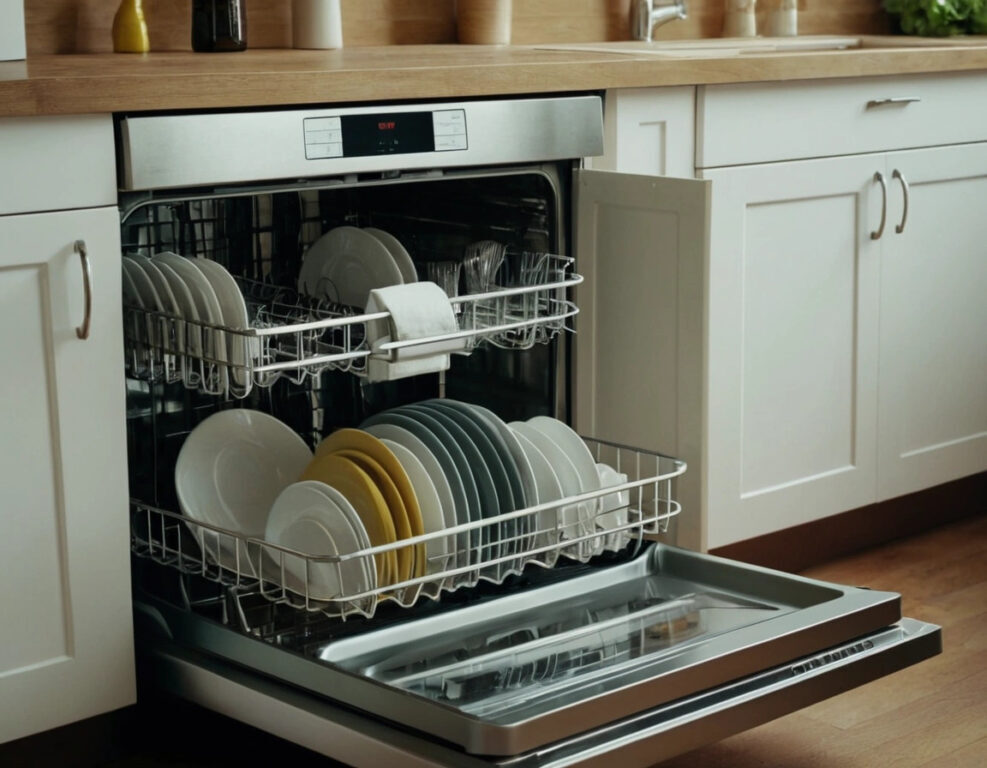
Balay dishwashers have a reputation for lasting for years, but that doesn’t mean you can forget about them. If you have one at home, you’ll know that just loading the dishes and pressing the button isn’t enough. Limescale, food residue and accumulated detergent end up taking their toll, and that’s where bad smells, cloudy glasses and cycles that don’t clean as well begin. Let me be clear: Balay dishwasher maintenance is what makes the difference between an appliance that lasts 5 years and another that holds up for 12 without breaking a sweat.
First things first: the manual isn’t just for show
Every Balay model has its particularities. A 3VS9030 with an adjustable upper basket is not the same as an SC76M540 with a third rack. The manual tells you which parts you can remove without breaking anything and which you can’t. It sounds silly, but I’ve seen people forcing the spray arm until it breaks because they didn’t read that on their model it’s press-fitted and comes out by turning it a quarter turn.
If you’ve lost the manual, you can download it from the official Balay website by entering the model number. That code is on a label inside the door, on the side. Write it down before you start cleaning, because you’ll need it more times than you think.
The filter: that’s where 80% of the problems are
If you can only do one thing, clean the filter every week. It’s the spot where grease, peelings and that brown sludge that smells like old fish build up. In most Balay dishwashers the filter is at the bottom, you turn it to the left and it comes out whole. Rinse it under the tap with hot water and, if it’s very greasy, run it under water with a squirt of hand dishwashing liquid.
Watch out for the spray arms: the little holes get clogged with pieces of bone or glass. A trick that works is to remove them and soak them in hot water with baking soda for 20 minutes. Then rinse them and check that all the holes are clear. Without clean sprayers, the water doesn’t reach the dishes and the wash comes out dirty even if you use the best detergent.
Baking soda and vinegar: the pair that really works
For tough stains or residue stuck to the interior walls, make a paste with baking soda and a little water. Apply it with a cloth or an old toothbrush to the most affected areas, leave it for 10 minutes and scrub without fear. It doesn’t scratch stainless steel or plastic, and it removes the layer of dried detergent that sometimes sticks like a crust.
White vinegar is another great ally. Put a cup in a glass or bowl on the upper rack, with nothing else inside, and run a long cycle at the highest temperature. The steam with acetic acid dissolves limescale, kills bacteria and removes odours. Do it once a month and you’ll notice the difference in the smell when you open the door. That said, don’t mix vinegar and bleach in the same cycle, because you release chlorine gas and that’s genuinely dangerous.
The seals and gaskets: the blind spot that causes leaks
The door seal accumulates a black film that many people ignore until water starts dripping underneath. Run a cloth dampened with water and vinegar around the entire perimeter, pushing the rag into the rubber fold. If you see ingrained mould, use a toothbrush with baking soda and rinse well.
Also check the hinge and the latch. If the door doesn’t fit properly, water leaks out and the dishwasher works twice as hard. On Balay models with a drop-down door, sometimes it’s enough to adjust the hinge screws, but if the gasket has hardened, it needs replacing. It costs between 15 and 30 euros and you can fit it yourself in 10 minutes.
Salt, rinse aid and the correct dose of detergent
Balay dishwasher care isn’t just about cleaning, but about using it properly. Salt prevents limescale and rinse aid makes the water slide off and not leave marks. If you live in a hard water area (Madrid, Murcia, much of Aragon), set the salt level to maximum. If the water is soft, lowering it prevents the reservoir from crystallising.
And no, more detergent doesn’t clean better. Putting a whole tablet in short or half-load cycles leaves residue that builds up and ends up creating foam that slows the motor. Use the dose indicated by the manufacturer and, if you have an Eco programme, use it: it consumes less water and energy, even if it takes longer. Balay has it well optimised in its current ranges.
Mistakes that shorten the life of your Balay
- Loading dishes without removing large food residue: it clogs the filter and the pump suffers.
- Washing wood, carbon steel knives or old non-stick pans: they get damaged and damage the dishwasher.
- Leaving the door closed with moisture inside: a breeding ground for mould and odours.
- Not cleaning the filter for months: the sewer smell you notice when you open it is that, not the detergent.
- Using chlorine-based cleaners in hot cycles: they damage the seals and the steel.
After each cycle, leave the door ajar for a while. It’s a 10-second gesture that prevents stagnant moisture and extends the life of the gaskets. If you have children or pets, use the child lock, because these machines have a safety feature that many people don’t even know exists.
When to call the technician and when not to
If the dishwasher doesn’t heat the water, doesn’t drain or makes a metallic noise when the arm turns, don’t waste time with home remedies. It could be the heating element, the drain pump or an object stuck in the drain. In those cases, Balay’s official service will take a look, and if the appliance is less than 10 years old, it’s usually worth repairing it rather than buying another one.
With a thorough monthly clean and a weekly filter clean, your Balay will last much longer than the warranty says. There’s no secret: consistency and not leaving everything until it smells bad. By then it’s too late for the easy fix and you’re into the expensive one.