Post actualizado el día octubre 26, 2026 by DeiviSanzPlay
So you want plants but you’re pretty sure you’ll kill them? Join the club. Most people who say they have a black thumb are just picking the wrong species. The trick isn’t being a gardening genius; it’s choosing plants that actually forgive your forgetfulness. Below are the easiest indoor plants to care for, based on real experience and what actually survives in low light, dry air, and the chaos of daily life.
Why Most People Fail With Indoor Plants
The number one killer of houseplants isn’t neglect, it’s overwatering. People drown their plants with love. The second killer is wrong light. A plant that needs bright indirect light will slowly die in a dark corner, no matter how much you water it. So before you buy anything, look at your space: how much natural light comes in? Do you have windows facing south, north, east? That’s your starting point.
Once you know your light situation, you can pick from the toughest indoor plants that thrive on neglect. These are the ones that actually look good while you ignore them.
The Unkillable Classics: Snake Plant, ZZ Plant, and Pothos
If you want indoor plants that survive with little light, start with the snake plant (Sansevieria). It tolerates low light, needs water maybe once every three weeks, and looks architectural. It’s almost impossible to kill unless you overwater it. The ZZ plant (Zamioculcas zamiifolia) is another beast: it stores water in its rhizomes, so it can go a month without a drink. It even does fine under fluorescent office lights.
Pothos (Epipremnum aureum) is the classic trailing plant. It grows in low light, tells you when it’s thirsty (leaves droop), and you can propagate it in a glass of water. These three are the holy trinity of low-maintenance indoor plants for beginners.
Succulents and Cacti: Great, But With a Catch
Everyone recommends succulents for beginners, but here’s the nuance: they need bright light. If your only window faces north, skip them. Otherwise, they’re perfect. Water them only when the soil is bone dry, and never let them sit in a saucer of water. Cacti are even more forgiving. Just give them a sunny spot and water every two to three weeks in summer, almost never in winter.
Plants That Purify the Air (and Don’t Need Much)
NASA’s Clean Air Study popularized the idea that certain plants remove toxins like formaldehyde and benzene. The snake plant, pothos, peace lily, and Boston fern are among the best air-purifying indoor plants. But let’s be real: you’d need a jungle to match an air purifier. Still, every bit helps, and these plants are easy anyway.
Low-Light Champions: Dracaena, Christmas Cactus, and Peace Lily
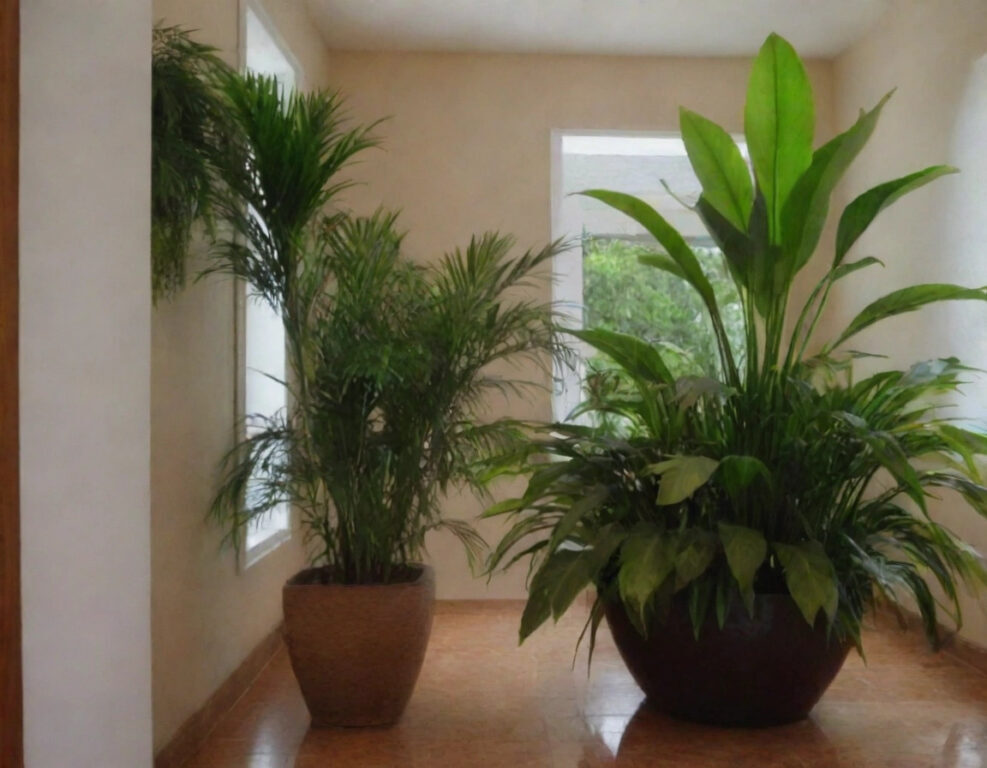
For dark corners, dracaena is a solid pick. It handles indirect light and grows slowly, so it won’t outgrow its spot. The Christmas cactus (Schlumbergera) actually blooms in low light and needs little water. Peace lily is another one that tolerates shade and even tells you when it’s thirsty by drooping dramatically.
These are the indoor plants that thrive in low light without turning into a sad, leggy mess.
How to Water Without Killing Them
Forget schedules. Stick your finger in the soil. If it’s dry two inches down, water. If it’s damp, wait. Most of these plants prefer to dry out between waterings. Overwatering causes root rot, which is the main reason houseplants die. When in doubt, underwater. A thirsty plant recovers; a drowned one doesn’t.
Small Spaces? No Problem
If you live in a studio with one window, you can still have plants. Choose compact varieties: small snake plants, pothos in a hanging pot, or a little ZZ plant. They don’t need much room and actually look better when slightly root-bound.
Decorating With Easy-Care Plants
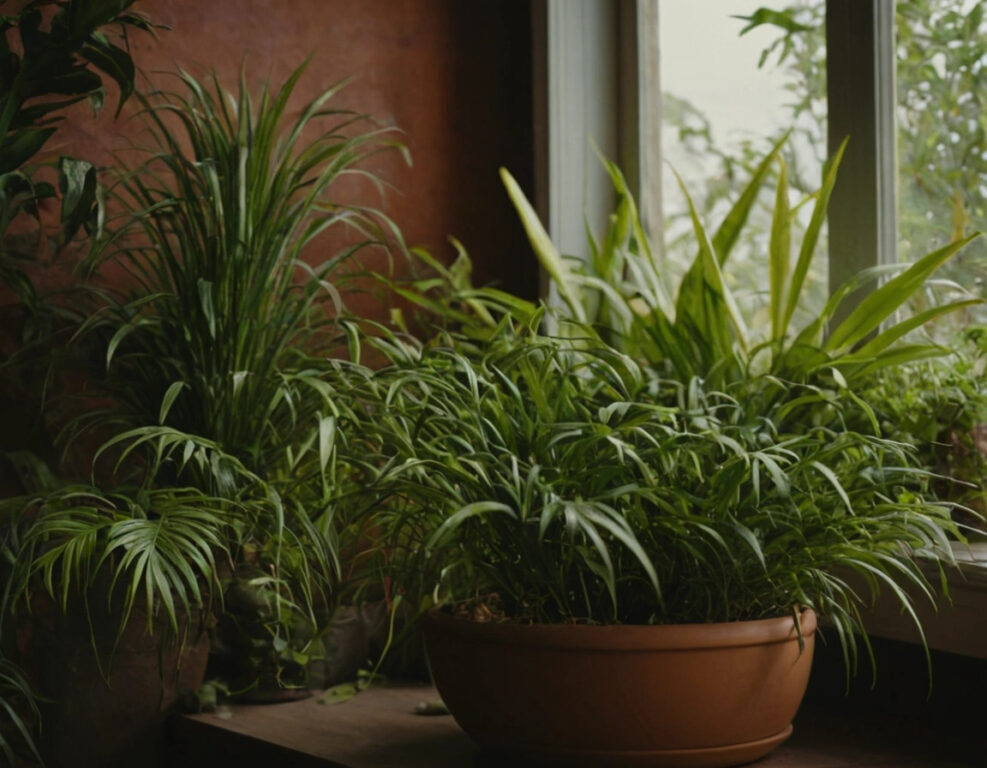
Group plants together to create a mini jungle. It looks better and raises humidity around them. Use stands to vary heights. Mix textures: spiky snake plant, trailing pothos, round leaves of a peperomia. And don’t be afraid to propagate — it’s free plants.
The Bottom Line
You don’t need a green thumb. You need the right plants and a bit of restraint with the watering can. Start with two or three from this list, see how they do, and expand. Before you know it, your home will be greener, and you’ll wonder why you ever thought you couldn’t keep plants alive.