Post actualizado el día octubre 26, 2026 by DeiviSanzPlay
Snoring isn’t just annoying for whoever’s next to you. It’s your body telling you that air isn’t moving the way it should through your throat. And the fix isn’t a single trick. It’s a combination of small, boring changes done consistently. Here’s what actually works, based on what sleep specialists and real people report.
Stop sleeping on your back if you want to sleep without snoring
Back sleeping is the number one trigger for most people. When you’re flat on your back, gravity pulls your tongue and soft palate backward, narrowing the airway. The tissue vibrates as air squeezes through, and that vibration is the snore.
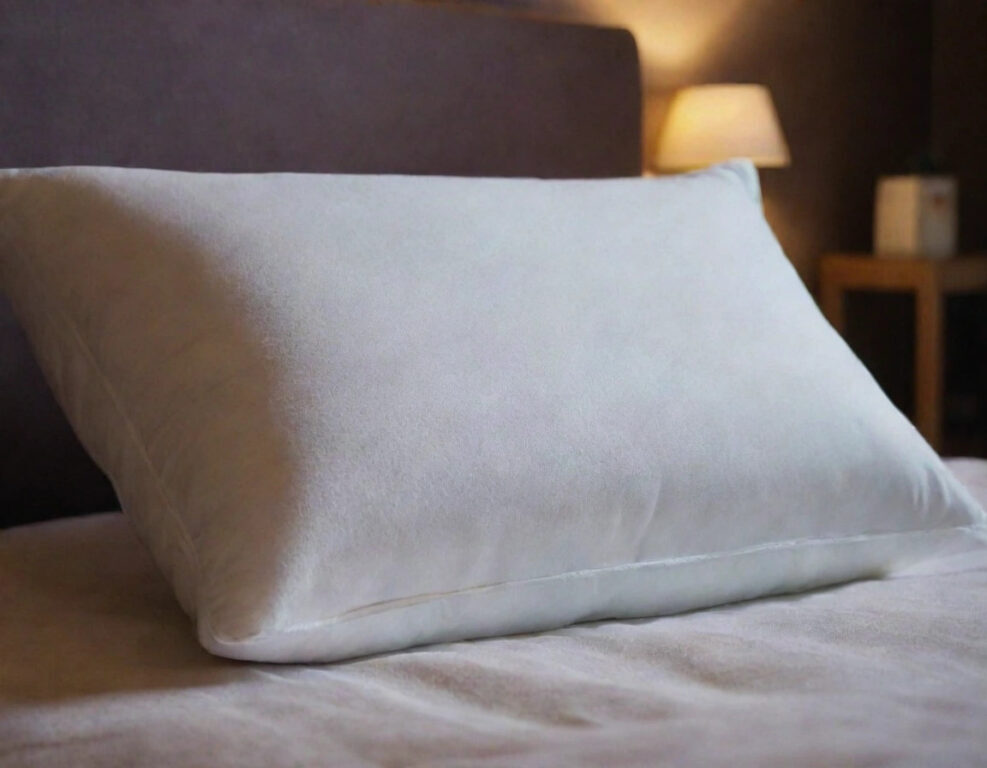
Rolling onto your side is the single most effective way to sleep without snoring for a lot of people. The catch? Most people drift back onto their back within an hour or two. That’s where the anti-snoring pillow comes in. These aren’t gimmicks. A decent one has a wedge or a bump that physically stops you from rolling flat, and many users notice a difference the first night.
If you don’t want to buy anything, try the tennis ball trick: sew a tennis ball into the back of a t-shirt and wear it to bed. Uncomfortable, but it trains your body to stay on your side within a week or two.
Clear your nose before you clear your throat
If you can’t breathe through your nose, you’ll breathe through your mouth, and mouth breathing is snoring’s best friend. Allergies, a cold, a deviated septum, or chronic congestion all push you toward snoring.
Eucalyptus or peppermint essential oils in a diffuser can help open things up. A humidifier keeps the air from drying out your nasal passages overnight. And if allergies are the root cause, an antihistamine before bed (check with a pharmacist first) can make a noticeable difference in how to sleep without snoring.
Nasal strips are cheap and surprisingly effective for some people. They don’t fix structural problems, but they can pull the nostrils open just enough to keep airflow moving.
Your neck weight matters more than you think
Excess weight around the neck puts direct pressure on the airway. Even ten extra pounds can be the difference between quiet breathing and full-on snoring. This isn’t about shaming anyone. It’s just mechanics.
Losing weight isn’t a quick fix, but it’s one of the most reliable long-term ways to sleep without snoring. In the meantime, avoid heavy meals, dairy, and very fatty foods before bed. They increase mucus production and congestion, which makes snoring worse.
Alcohol is the other big one. It relaxes the muscles in your throat, which is exactly what you don’t want. Skip it for at least three to four hours before bed if snoring is a problem.
Throat exercises and devices: the underrated options
There’s real research behind throat exercises. Singing, playing a wind instrument, or doing specific tongue and palate exercises can tone the muscles enough to reduce snoring over time. It’s not instant, but it works for some people.
Mandibular advancement devices (MADs) push your lower jaw forward to keep the airway open. They’re custom-fitted by a dentist or bought over the counter. They’re not for everyone, and they can cause jaw soreness, but they’re a legitimate option if natural methods fail.
CPAP machines are the gold standard for sleep apnea, but they’re overkill for simple snoring. Don’t buy one without a diagnosis.
Hydration and the foods that help
Dehydration makes the mucus in your throat thicker and stickier, which makes snoring louder. Drinking enough water during the day keeps those tissues lubricated.
Foods with high water content like watermelon, cucumber, and celery can help too. It’s not a cure, but it’s an easy addition to your routine if you’re serious about how to sleep without snoring.
When to stop guessing and see a doctor
If you’ve tried the basics and you’re still snoring, or if your partner says you stop breathing in your sleep, that’s a red flag. Sleep apnea is linked to heart disease, high blood pressure, and daytime fatigue. It’s not something to self-treat with pillows and oils.
A sleep specialist can run a study and tell you exactly what’s happening. For some people, surgery (like removing tonsils or fixing a deviated septum) is the real answer. For others, it’s a CPAP or a dental device.
The bottom line: there’s no single magic fix for how to sleep without snoring. But side sleeping, nasal hygiene, weight management, and cutting alcohol before bed will handle most cases. If they don’t, get professional help. Your sleep and your partner’s sanity are worth it.