Post actualizado el día octubre 17, 2026 by DeiviSanzPlay
Short answer: yes, you can leave flowers without water overnight and most of them will survive just fine. But if you’re asking because you forgot to fill the vase and you’re picturing a sad bouquet of droopy stems by breakfast, let me save you the drama. One night is not what kills flowers. Repeated neglect is.
I’ve tested this myself more times than I’d like to admit, and the real answer about leaving flowers without water overnight depends on three things nobody bothers to mention: the type of flower, the air humidity in your room, and whether we’re talking about cut stems in a vase or a plant still sitting in soil. Those two scenarios behave completely differently, and mixing them up is where most advice online goes wrong.
Cut Flowers vs. Potted Plants: Not the Same Game
A rose in a vase has already lost its root system. It has no backup reservoir. Once you cut a stem, that flower is living on whatever water is already inside its vascular tissue, and that’s it. So when we talk about flowers without water overnight, a cut bouquet is the fragile case.
A potted plant in soil is a different animal. The soil holds moisture for hours, sometimes days, depending on the mix. Leaving a potted hydrangea without watering overnight when the soil is still damp does basically nothing. The plant won’t even notice.
So before you panic, figure out which situation you’re actually in. If it’s a vase, read on. If it’s a pot with moist soil, go to bed.
How Long Can Cut Flowers Actually Survive Without Water?
Here’s the honest range based on how flowers work physiologically. Most cut flowers start showing visible stress — drooping heads, soft stems, curled petals — somewhere between 4 and 12 hours without water, especially in a warm room.
Roses, tulips, and dahlias are drama queens. They can wilt in 3 or 4 hours if the air is dry. Carnations, chrysanthemums, and alstroemeria are tanks. They’ll hold their shape overnight and sometimes longer.
Orchids are their own category. A cut orchid stem in a vase without water overnight usually survives because the petals are thick and waxy. But the flowers will age faster, and you’ll see browning at the edges sooner than you would with proper hydration.
The keyword here is transpiration. Flowers lose water through their petals and leaves constantly. Without a water source to replace it, they’re running on fumes.
What Actually Happens Inside the Flower Overnight
Plants don’t stop working at night. They switch modes. During the day, photosynthesis drives water uptake. At night, stomata (the tiny pores on leaves and petals) usually close to conserve moisture, which is why overnight dehydration is slower than daytime dehydration.
That’s the good news. Your flowers without water overnight scenario is actually the least damaging time to skip hydration. Room temperature also drops at night, and cooler air holds less evaporation pressure.
The bad news is that a cut stem sitting in dry air still loses water through its cut end and through petal tissue. By morning, you might see the first signs of limpness in delicate varieties.
When One Night Without Water Becomes a Real Problem
One night is rarely fatal. Three nights in a row is where things get ugly. After repeated dry periods, the vascular tissue inside the stem starts to seal itself off with air bubbles — a process called embolism — and once that happens, the flower can’t reabsorb water properly even when you finally refill the vase.
This is why people say their flowers «never recovered» after a long dry spell. It’s not that the water came too late. It’s that the stem physically blocked itself.
The fix is simple: recut the stems at a 45-degree angle under running water before putting them back in the vase. That opens a fresh channel and lets the flower drink again.
Practical Tricks to Survive the Overnight Gap
If you know you’ll be leaving flowers without water overnight, do these things and you’ll barely notice a difference in the morning:
- Move them somewhere cool. A hallway, a bathroom, or any spot away from heating vents slows dehydration dramatically.
- Keep them out of direct sun. Even moonlight won’t hurt, but a window facing east means morning sun hits them before you’ve had coffee.
- Mist the petals lightly. A fine spray on the blooms adds humidity right where it’s needed most. Skip this for fuzzy flowers like African violets.
- Recut the stems first thing. Before you refill the vase, snip a centimeter off at an angle. This is the single biggest recovery move.
- Use lukewarm water, not cold. Warm water moves through the stem faster and dissolves any flower food better.
None of these are miracles. They just buy you time, and time is all a single night costs.
The Humidity Factor Nobody Talks About
Air humidity decides whether your flowers without water overnight survive comfortably or come out looking rough. In a bathroom after a hot shower, humidity can sit at 60-70%, and flowers barely lose moisture. In a heated living room in winter, humidity can drop to 20%, and the same bouquet wilts twice as fast.
If you live somewhere dry, this matters more than the flower type. A cheap hygrometer costs less than a bouquet and tells you exactly what you’re working with.
Should You Water Flowers at Night Instead of Morning?
For potted plants, evening watering is actually smart in hot climates because less water evaporates before the roots absorb it. For cut flowers, the timing doesn’t matter much as long as the vase has water in it. What matters is that the stems stay submerged.
The myth that watering at night causes rot or fungal issues applies mostly to outdoor garden plants with wet foliage, not to a vase on your kitchen counter or an indoor pot with good drainage.
Which Flowers Are Most Forgiving Without Water?
If you’re picking a bouquet specifically because you know you’ll forget to water it, choose wisely. The most drought-tolerant cut flowers are:
- Chrysanthemums — easily survive 24 hours dry
- Carnations — thick stems, slow water loss
- Alstroemeria — looks delicate, holds up like a champ
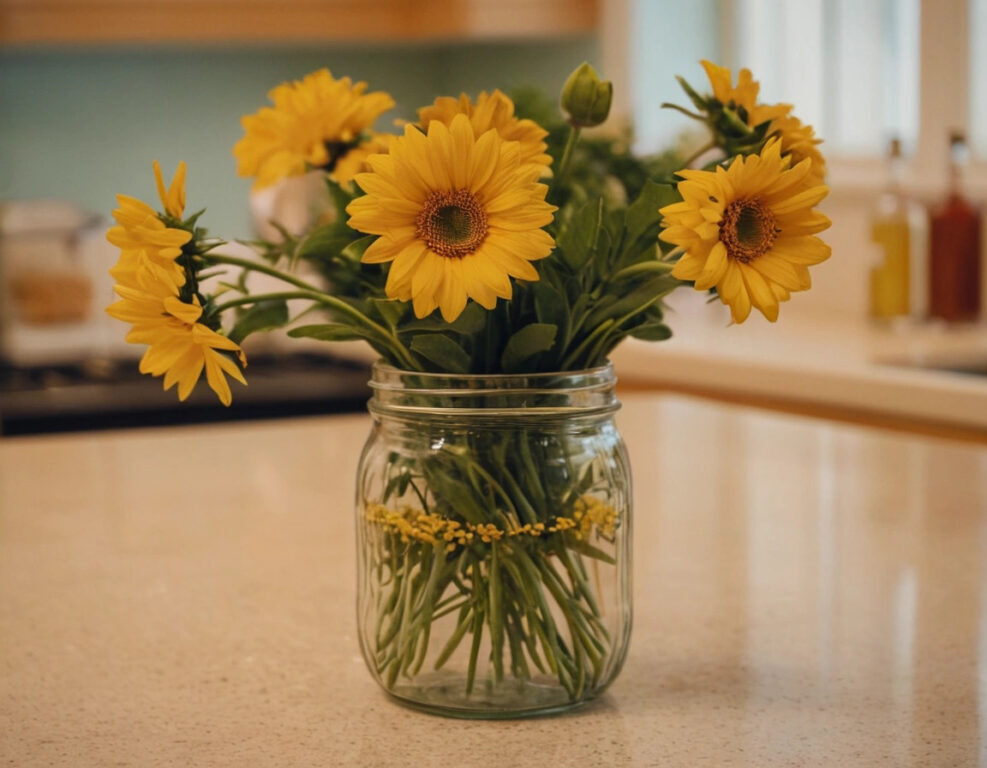
- Sunflowers — surprisingly resilient for one night
- Orchids — waxy petals, slow dehydration
Avoid hydrangeas, dahlias, and sweet peas if you’re a forgetful flower owner. They wilt fast and dramatically, and hydrangeas in particular can go from perky to tragic in a couple of hours.
Does the Water Quality Matter More Than the Timing?
Honestly, yes. A flower sitting in cloudy, bacteria-filled water for one night is worse off than a flower sitting in no water at all for the same period. Bacteria clog the stem’s drinking channels faster than air does.
Change the water every two days, trim the stems each time, and add a pinch of flower food or a drop of bleach in a large vase. That single habit extends vase life more than any overnight watering schedule ever will.
So there it is. You can leave flowers without water overnight and 9 times out of 10 they’ll be fine. Just don’t make it a habit, don’t do it with hydrangeas, and always recut the stems before you refill. That’s the whole game.