Post actualizado el día octubre 26, 2026 by DeiviSanzPlay
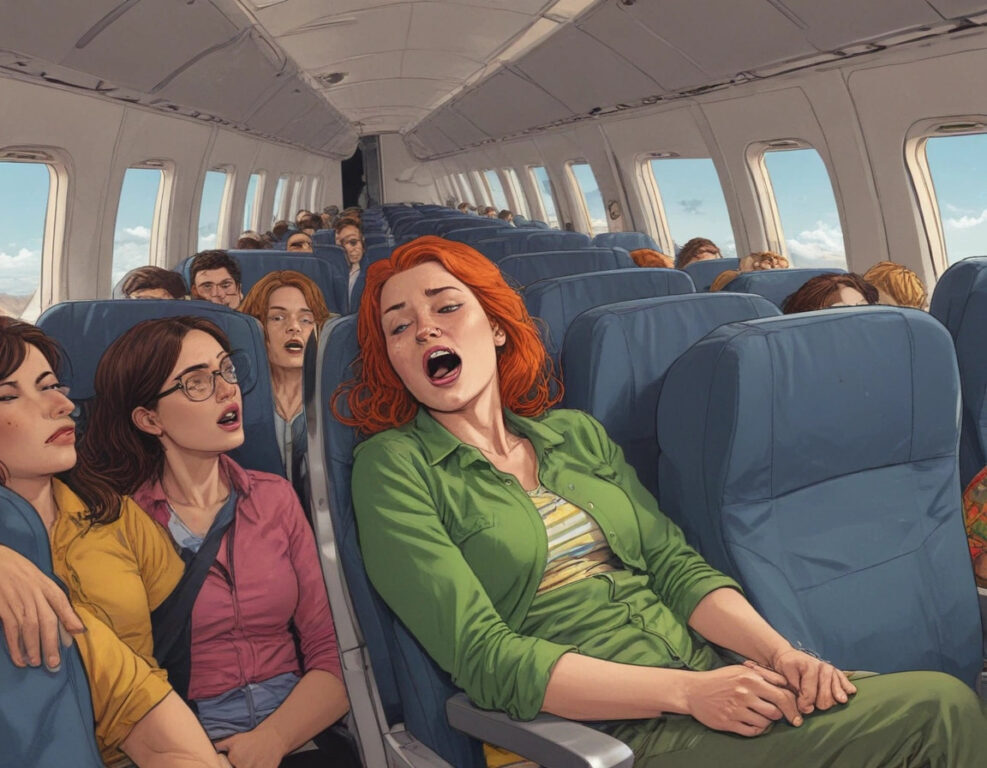
Sleeping on a plane isn’t a luxury, it’s survival. The question isn’t whether you can sleep well on a plane — it’s whether you’re willing to prepare for it like a pro. After digging through frequent flyer forums, sleep science papers, and real traveler experiences, one thing is clear: most people fail because they treat airplane sleep like a nap on their couch. It’s not. It’s a controlled operation in a hostile environment.
The Truth About Airplane Sleep
Your body wasn’t designed to sleep at 35,000 feet. Cabin pressure is set to around 6,000-8,000 feet of altitude, which means less oxygen reaches your brain. Add dry air, engine noise at a constant 85 decibels, and a seat that barely reclines, and you’ve got a recipe for misery.
But here’s the thing: can you sleep well on a plane? Yes, but only if you accept that it won’t be like your bed at home. The goal isn’t perfect sleep — it’s enough quality rest to land functional. That shift in mindset changes everything.
The people who sleep best on flights aren’t lucky. They’re prepared. They book specific seats, pack specific gear, and time their sleep strategically. It’s not magic, it’s method.
Seat Selection Is Half the Battle
Where you sit determines how well you’ll sleep more than anything else. A window seat gives you a wall to lean against and control over the shade. An aisle seat gives you freedom to move but constant interruptions from people and carts.
If you want to know how to sleep on a long flight, the answer starts at booking. Window seats in the back rows are often the last to fill, which means more empty seats around you. But avoid seats near the lavatories — the foot traffic and flushing will destroy any chance of deep sleep.
Bulkhead seats sound great because of legroom, but they come with a catch: no under-seat storage, and tray tables are fixed in the armrest. That means no reclining during takeoff and landing. For sleep, a regular window seat with a reclining back usually wins.
Gear That Actually Works (And What’s Waste)
Travel pillows are the biggest scam in aviation. The U-shaped ones that hang around your neck do almost nothing. What works is a trtl-style neck support or a firm memory foam pillow that wraps and holds your head upright. That’s what prevents the dreaded head-bob that wakes you up every 20 minutes.
Earplugs beat noise-canceling headphones for sleep. Headphones are bulky, they die after a few hours, and they only cancel low-frequency noise. Foam earplugs block everything, cost pennies, and never run out of battery.
An eye mask is non-negotiable. Cabin lights come on at random times, and seat-back screens glow all night. A contoured mask that blocks light completely is worth the $20.
The Sleep Strategy Nobody Talks About
The biggest mistake is trying to sleep for the entire flight. That’s not how it works. Your body needs to adapt to the destination’s time zone, not the flight duration.
If you’re flying east, sleep early in the flight and wake up a few hours before landing. If you’re flying west, do the opposite — stay awake early and sleep later. This is how you beat jet lag before it starts.
Can you sleep well on a plane if you ignore this? Technically yes, you might pass out from exhaustion. But you’ll land feeling worse than if you’d stayed awake.
Food, Drink, and Other Sleep Killers
Alcohol is the worst thing you can drink on a flight if you want real sleep. It makes you drowsy, sure, but it destroys REM sleep and dehydrates you. You’ll wake up groggy and puffy, not rested.
Caffeine is obvious, but people forget that tea, cola, and chocolate contain it too. Stick to water and maybe a light meal before your sleep window. Heavy meals sit in your stomach and keep you awake.
Hydration matters more than you think. Cabin air has humidity as low as 10-20% — drier than most deserts. Drink water consistently, but not so much that you’re waking up to pee every hour.
What About Business Class?
Lie-flat seats in business class obviously help. But you can still sleep badly in business if you don’t prepare. I’ve seen people in $5,000 seats staring at the ceiling because they drank three glasses of champagne and watched movies until 2 AM.
The advantage of business class isn’t just the seat — it’s the quieter cabin, better blankets, and priority boarding that lets you settle in before the chaos. If you can’t afford it, don’t stress. The tips above work in economy too.
The Bottom Line
Sleeping well on a plane is possible, but it requires treating sleep like a task, not a hope. Pick the right seat, bring the right gear, plan your sleep window around your destination, and skip the alcohol. Do that, and you’ll land ready to go while everyone else is stumbling through customs like zombies.
The flight doesn’t have to be a nightmare for your rest. But nobody’s going to hand you good sleep on a tray. You have to build it yourself, seat by seat, hour by hour.