

Post actualizado el día octubre 26, 2026 by DeiviSanzPlay
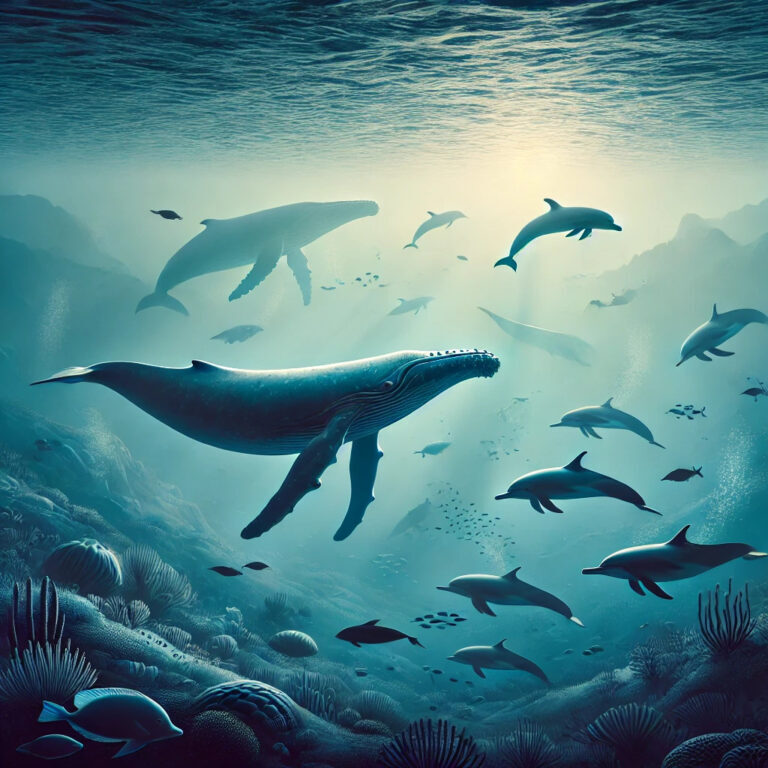
Most people think cetaceans are just whales and dolphins. That’s like saying all mammals are dogs and cats. Cetaceans are a full infraorder of marine mammals, and the rabbit hole goes way deeper than what you see in nature documentaries.
Cetaceans: What Animals Are They Exactly?
Cetaceans are marine mammals that belong to the order Cetartiodactyla. That means their closest living relatives on land are hippos, not fish. If you’re asking what animals are cetaceans, the short answer: whales, dolphins, and porpoises. All of them. No exceptions.
There are around 90 recognized species of cetaceans swimming in the oceans right now, according to the IUCN. They’re split into two big groups: baleen whales (Mysticeti) and toothed whales (Odontoceti). The blue whale belongs to the first group. Orcas and sperm whales belong to the second.
And yes, orcas are dolphins. Not whales. That’s a fact that still trips people up, even though the science has been clear for decades.
Why Cetaceans Breathe Air (And Why That Matters)
Cetaceans have lungs. Not gills. That single fact explains almost everything about how they behave.
They can’t stay underwater forever. They have to surface to breathe, which is why you see humpbacks blowing that iconic vapor fountain. That’s not water shooting out. It’s warm air from their lungs condensing the second it hits the colder outside air.
Some species can hold their breath for absurd amounts of time. Cuvier’s beaked whales have been recorded diving for over three hours and reaching depths past 2,900 meters. That’s a mammal, holding its breath, deeper than most submarines go.
Cetaceans are marine mammals, not fish. Their need for air is the single biggest reason they live the way they do.
Cetology: The Science Behind the Obsession
Cetology is the branch of marine biology that studies cetaceans specifically. It’s a niche field, and honestly, a hard one. You can’t exactly put a blue whale in a lab.
Researchers rely on tagging, acoustic monitoring, and long-term observation to understand how these animals feed, migrate, and communicate. Some studies follow individual whales for decades. That’s the level of patience cetology demands.
If you’ve ever wondered how cetaceans navigate, the answer is echolocation. Toothed whales produce clicks and listen for the echoes. That’s how they map the ocean floor and hunt in total darkness. Bats do something similar, but cetaceans do it underwater, at scale, and with way more power behind it.
Where Do Cetaceans Live?
Every ocean on Earth. From the warm tropical waters of the Caribbean to the freezing Arctic and Antarctic. Some species stick to coastal areas. Others roam the open ocean for thousands of kilometers.
Humpback whales are the poster children for cetacean migration. They travel from polar feeding grounds to tropical breeding grounds every year, sometimes covering more than 8,000 kilometers one way. That’s one of the longest migrations of any mammal on the planet.
Migration isn’t random. It’s driven by food and reproduction. Calves can’t survive in freezing water, so mothers move to warmer zones to give birth.
How Cetaceans Reproduce (And Why It’s Different)
Female cetaceans give live birth. Just like humans. And they nurse their calves with milk, which is one of the clearest signs that cetaceans are mammals and not fish.
But cetacean milk isn’t like cow milk. It’s thick, fatty, and packed with calories. Some species produce milk with 40-50% fat content, which is how calves grow fast enough to survive in cold, predator-heavy waters.</n
The mother-calf bond in cetaceans is strong. Some species stay with their mothers for years. Sperm whale calves, for example, can nurse for up to two years and stay in the family pod much longer.
Are Cetaceans Endangered?
Some are. And it’s not a vague threat. The North Atlantic right whale population is down to fewer than 400 individuals. The vaquita, a small porpoise in the Gulf of California, is down to around 10. That’s not endangered. That’s basically gone.
The main killers are human-made: ship strikes, fishing net entanglements, plastic pollution, chemical runoff, and underwater noise that drowns out their echolocation. Climate change is shifting their food sources too.
Protecting cetaceans isn’t about being sentimental. These animals sit at the top of marine food webs. When they struggle, the whole ecosystem feels it.
Quick Recap: What Animals Are Cetaceans?
- Whales — including blue whales, humpbacks, and sperm whales
- Dolphins — including orcas, which are technically dolphins
- Porpoises — smaller, quieter cousins of dolphins
All of them are mammals. All of them breathe air. All of them give live birth and nurse their young. And all of them are more complex than most people give them credit for.
The next time someone tells you cetaceans are just «sea creatures,» correct them. They’re marine mammals with sonar, culture, migration routes that span hemispheres, and social structures we’re still trying to decode.


