Post actualizado el día octubre 25, 2026 by DeiviSanzPlay
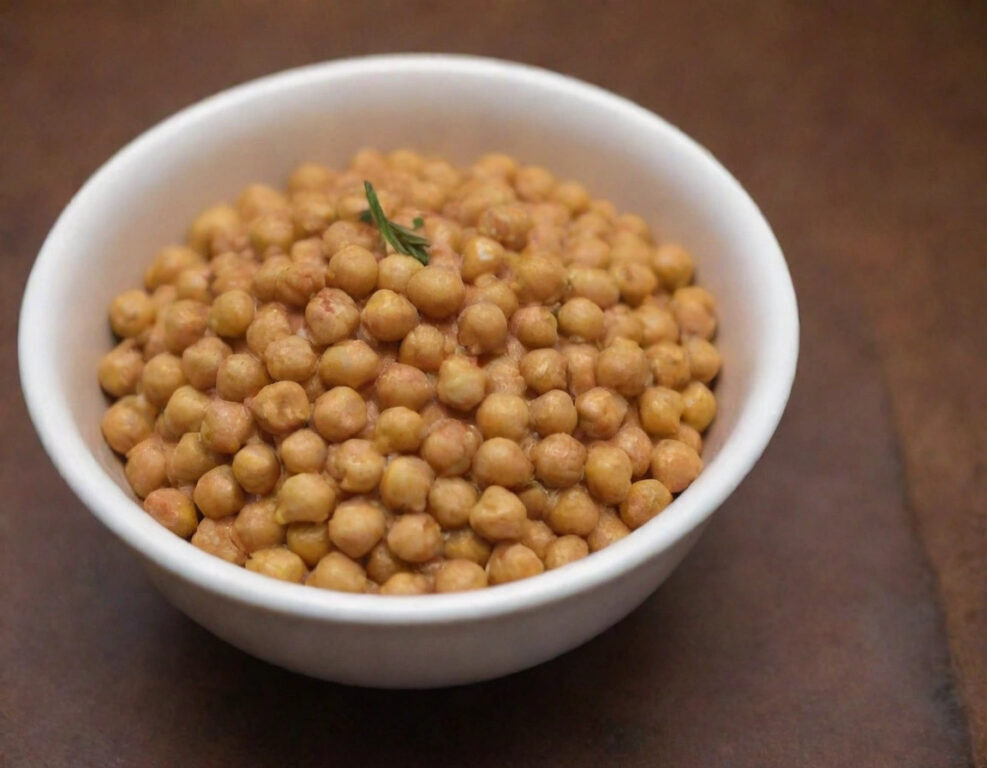
Chickpeas are one of those legumes that never fail. Cheap, versatile, and with a nutritional density that many trendy superfoods would envy. But there’s a question that keeps coming up in forums and consultations: are they protein or carbohydrate? The short answer is that they’re both, but with nuances that matter if you’re watching your diet.
Chickpeas: a source of high-value plant protein
If you’re looking for a source of plant protein, chickpeas are a safe bet. We’re talking about 15 grams of protein per 100 grams of dry chickpeas, a figure that places them above most legumes. Of course, it’s not a complete protein like the one in eggs or meat: they lack methionine, an essential amino acid. The solution is as old as Mediterranean cuisine itself: combine them with grains like rice or wheat. A dish of chickpeas with rice already gives you a complete amino acid profile.
For vegetarians and vegans, this is gold. You don’t need weird supplements or impossible combinations. A chickpea stew with spinach and a little whole-grain bread solves your protein needs for the day.
Complex carbohydrates: energy without glucose spikes
Here comes the nuance that many ignore. Chickpeas are also a carbohydrate powerhouse, but not the kind that spikes blood sugar. We’re dealing with complex carbohydrates, slow to digest, with a low glycemic index (around 28-32 depending on how they’re cooked). That means sustained energy, without the typical crash after eating refined pasta.
In fact, approximately 60% of their calories come from carbohydrates. So if someone tells you that chickpeas are only protein, they’re wrong. They’re a dual food, and that makes them perfect for athletes and for those who want to control their appetite.
Fiber, vitamins, and minerals: the cocktail that makes the difference
Beyond the macros, chickpeas hide a micronutrient profile that justifies their fame. A 100-gram cooked serving provides around 7 grams of fiber, almost a third of the daily recommendation. That fiber feeds your gut microbiota and helps regulate digestion, something you notice when you eat them regularly.
In terms of minerals, iron stands out (non-heme, yes, but it’s absorbed better with vitamin C), along with phosphorus, magnesium, and potassium. The latter is key for controlling blood pressure. And in vitamins, the B group, especially B9 (folate), essential for pregnant women and for red blood cell formation.
A fact few people know: chickpeas contain phytates, compounds that reduce mineral absorption. Soaking them for 12 hours before cooking and adding a few drops of lemon to the stew mitigates that effect.
Do chickpeas make you gain weight? The answer depends on the context
Here I’ll take a stance. Chickpeas don’t make you gain weight on their own. What makes you gain weight is the context: a stew with chorizo, blood sausage, and pancetta is not the same as chickpeas dressed with olive oil and vegetables. The legume provides about 120-140 calories per 100 grams cooked, a reasonable figure for how filling they are.
The real problem is the quantity and the accompaniments. If you eat a huge plate with processed meats, the scale goes up. If you use them as the base of salads or light stews, they’re an ally for losing weight. The fiber and protein keep you full for hours, which reduces later snacking.
Eating chickpeas for dinner: a good idea or a nighttime heaviness?
Eating chickpeas for dinner has its defenders and detractors. In favor: their slow digestion keeps glucose levels stable during the night, which improves rest in people with insulin resistance or type 2 diabetes. Additionally, the satiety prevents the midnight raid on the fridge.
Against: if you’re not used to fiber, eating a large plate of chickpeas for dinner can cause gas and discomfort. My advice is to introduce them gradually and cook them well, until they’re very tender. A chickpea purée with a little cumin and olive oil is more digestible than a thick stew.
How to incorporate them into your daily life without getting bored
The versatility of chickpeas is their best weapon. Don’t limit yourself to grandma’s stew. Here are some ideas that work:
- Homemade hummus: blend cooked chickpeas with tahini, lemon, garlic, and oil. It lasts a week in the fridge and is a fantastic protein-packed snack.
- Crispy oven-roasted chickpeas: drain them, dry them well, mix them with paprika and oil, and bake them at 200°C for 25 minutes. They replace potato chips.
- Chickpea and tuna salad: a classic that combines plant and animal protein. Add tomato, red onion, and a vinaigrette dressing.
- Sautéed with vegetables: sauté onion, bell pepper, and zucchini, add cooked chickpeas and a touch of turmeric. Ready in 10 minutes.
- Baked falafel: a lighter version than traditional frying. Blend soaked raw chickpeas (not cooked), onion, garlic, parsley, and spices, form balls, and bake.
Watch out for one thing: if you use canned chickpeas, rinse them well to remove excess sodium. And if you buy them dry, always soak them. There are no shortcuts to avoid flatulence.
Contraindications and exceptions you should know about
Not everyone should overdo it with chickpeas. If you have irritable bowel syndrome, legumes can be problematic due to their FODMAP content. In that case, it’s better to introduce them in small quantities or consult a dietitian.
People with gout or high uric acid should also moderate their consumption, because the purines in legumes can raise levels. It’s not that they’re forbidden, but it’s best not to overdo it.
And a warning for the unwary: raw chickpeas contain protease inhibitors and lectins that can cause discomfort. Never eat them raw or undercooked. Pressure cooking for 20-25 minutes eliminates those compounds.
Conclusion without beating around the bush: they’re protein and carbohydrate, and that’s a good thing
Chickpeas are neither only protein nor only carbohydrate. They’re a complete food that provides both, plus fiber, vitamins, and minerals. That duality makes them a perfect tool for balanced diets, vegetarian diets, or simply for eating better without spending much.
If I had to leave you with one piece of advice, it would be this: don’t treat them as a boring side dish. Use them as the star of your dishes, vary the recipes, and don’t be afraid to eat them for dinner if your digestion tolerates it. In the long run, your cardiovascular health, your microbiota, and your wallet will thank you.