Post actualizado el día octubre 26, 2026 by DeiviSanzPlay
Most people obsess over the sofa itself and treat cushions as an afterthought. That’s backwards. A cheap sofa with the right cushions beats an expensive sofa with flat, shapeless ones every single time. If you’re hunting for cushions for armchairs or sofas, this is the no-nonsense breakdown you actually need.
The cushion market is flooded with junk. Polyester fill that collapses in three weeks, covers that pill after two washes, «memory foam» that forgets everything the moment you sit down. I’ve tested enough of them to know the difference between marketing and real comfort. So let’s cut through it.
Why Cushions for Armchairs Matter More Than You Think
A cushion isn’t decoration. It’s ergonomics. If your armchair or sofa has lost its support, a decent cushion restores the lumbar curve you’re missing and stops that slow slide into bad posture during long reading or TV sessions.
I’d argue the benefits of sofa cushions go beyond aesthetics: they redistribute pressure, reduce lower back strain, and can add years of usable life to furniture you were about to replace. That’s not a small thing when a decent armchair runs you several hundred euros.
Fix the cushion, not the sofa. Nine times out of ten, that’s the cheaper and smarter move.
There’s also the temperature angle. Breathable covers like cotton or linen keep you cooler in summer, while velvet or chenille trap warmth in winter. Swap covers seasonally and you get two different chairs for the price of one set.
Types of Cushions for Armchairs and Sofas: Pick by Function
Forget the vague «decorative vs. functional» split. Here’s how I actually categorize them:
- Seat cushions (firm, thick, high-density foam): These replace or reinforce the base. Look for densities of 30–35 kg/m³ for daily use. Anything under 25 kg/m³ will flatten within months.
- Back cushions (softer, medium density): Designed to support the spine without pushing you forward. 20–25 kg/m³ is the sweet spot.
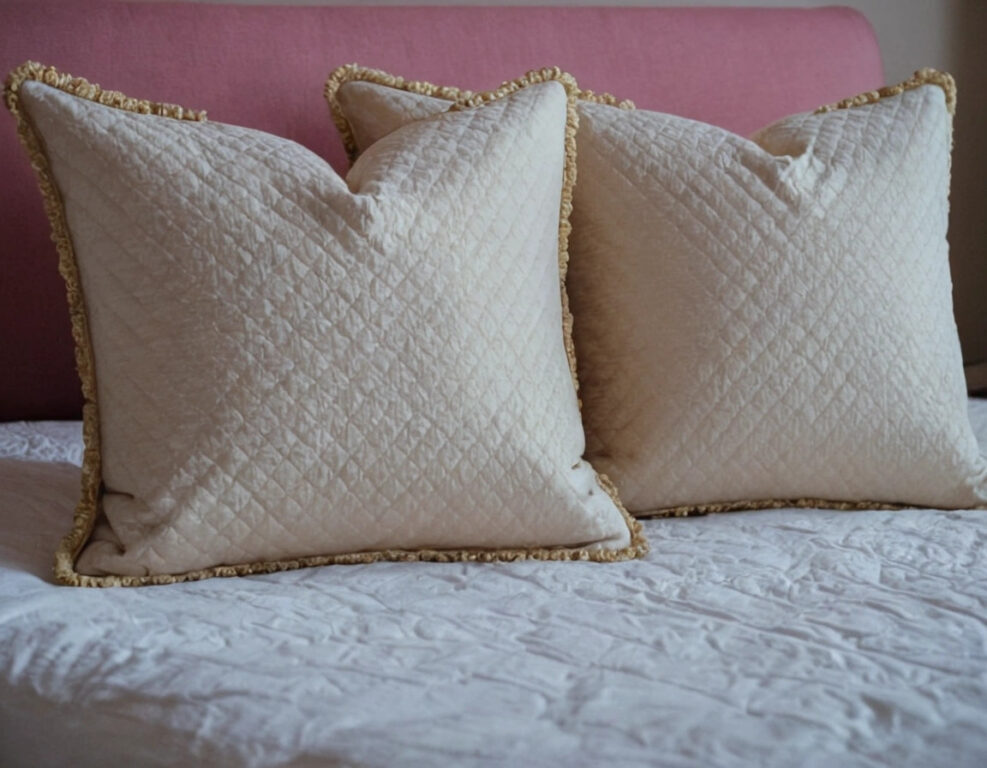
- Decorative throw cushions: Pure styling. Feather, down, or shredded foam fills work best here.
- Lumbar cushions: Small, firm, and the single most underrated item for anyone who sits for hours.
If you’re specifically furnishing an outdoor space, outdoor sofa cushions need a completely different spec: quick-dry foam, solution-dyed acrylic covers (Sunbrella or similar), and zippers that actually seal. Standard indoor cushions will mold after one rainy season.
Fabric vs. Leather Cushions: Stop Pretending There’s a Winner
Every guide tells you «it depends.» I’ll just pick a side depending on your situation.
If you have kids, pets, or eat on the sofa, go leather or faux-leather cushions. Wipe-clean beats stain-resistant every time. Yes, they feel colder in winter and stickier in summer, but a throw blanket fixes the first problem and a cotton cover fixes the second.
If your home is adult-only and you value texture, go fabric. Cotton, linen blends, and boucle give you warmth and visual depth that leather can’t touch. Just accept that you’ll be spot-cleaning more often. Microfiber is the quiet middle ground: soft like fabric, cleans like leather, and holds up surprisingly well against pet hair.
What About Filling Material?
This is where most buyers get cheated. Here’s my honest ranking:
- High-density memory foam: Best for seat cushions. Holds shape, supports weight, doesn’t need constant fluffing.
- HR foam (cold-cure): Almost as good, cheaper, slightly firmer.
- Down/feather blend: Luxurious for throw cushions, useless for seats unless wrapped around a foam core.
- Shredded memory foam: Great for adjustable back cushions, terrible for seats.
- Polyester fiberfill: Only acceptable in cheap decorative cushions. Expect to replace them within a year.
How to Choose Cushions for Armchairs Without Getting It Wrong
Three rules I stick to:
Rule one: measure twice. Seat cushion depth should match your chair’s seat minus one or two centimeters. Too big and the cushion bunches; too small and it slides. This is the single most common mistake I see.
Rule two: match density to use. A cushion used daily needs 30+ kg/m³. A cushion used occasionally can drop to 25. Don’t buy a 20-density cushion for your main armchair and then complain it’s flat in six months.
Rule three: think about the cover before the color. Removable, machine-washable covers are non-negotiable if you actually use the furniture. A stunning cushion you can’t clean is a liability.
The Decorative Side: Combining Sizes and Textures
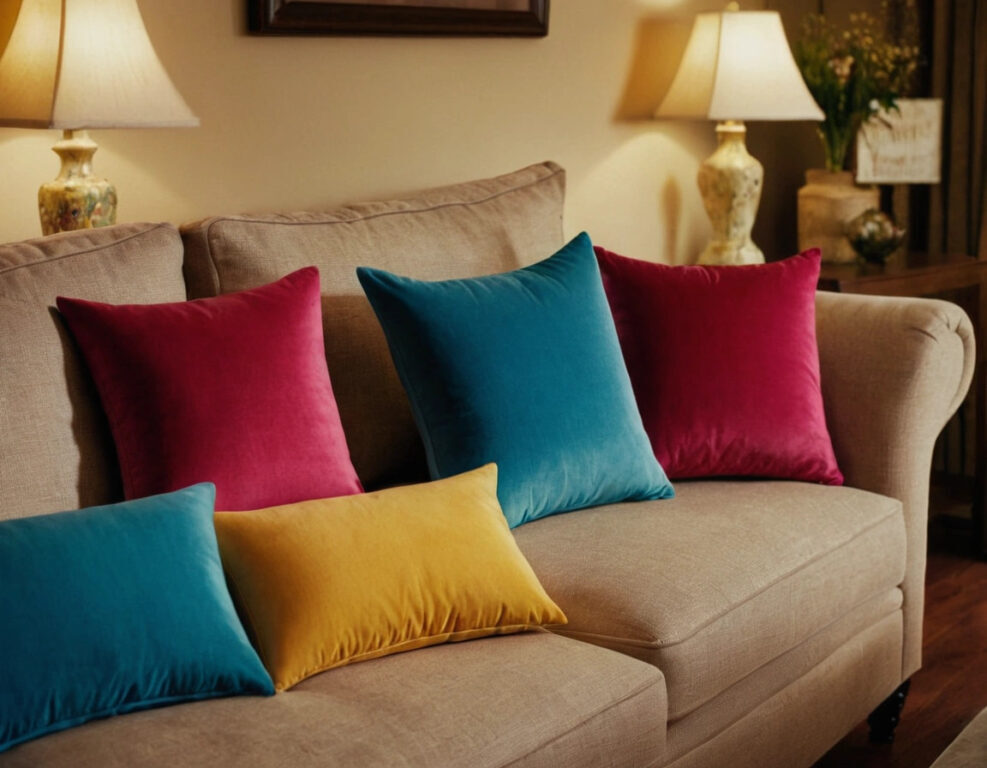
For styling, the classic formula still works: one large cushion (45–55 cm), one medium (35–40 cm), and one small accent (25–30 cm) per seat. Mix two textures maximum per chair — usually one smooth and one nubby — or the whole thing looks chaotic.
Color-wise, pull from something already in the room: a rug, a piece of art, a lamp base. Random bright cushions on a neutral sofa read as «I bought these on impulse,» not «I designed this.»
Where to Buy Cushions for Armchairs Online in 2026
Online is almost always cheaper than physical stores, but only if you know what to check. Before clicking «add to cart,» confirm:
- Density is listed in kg/m³. If it’s not, assume it’s junk.
- Cover composition is specified. «Polyester blend» with no percentages is a red flag.
- Zipper type. Hidden zippers with reinforced stitching last longer than exposed plastic ones.
- Return policy. Cushions are hard to judge online. A 30-day return window is worth paying extra for.
Custom-cut cushions from specialist foam shops often beat mass-market options on both price and fit, especially for odd-sized armchairs. Measure your seat, order the exact dimensions, and you’ll get a cushion that looks built-in rather than bolted on.
One last thing: don’t buy cushions purely on looks. A beautiful cushion that flattens in a month is a bad cushion. A boring one that supports you for five years is a good one. Get the function right first, then make it pretty.