Post actualizado el día octubre 26, 2026 by DeiviSanzPlay
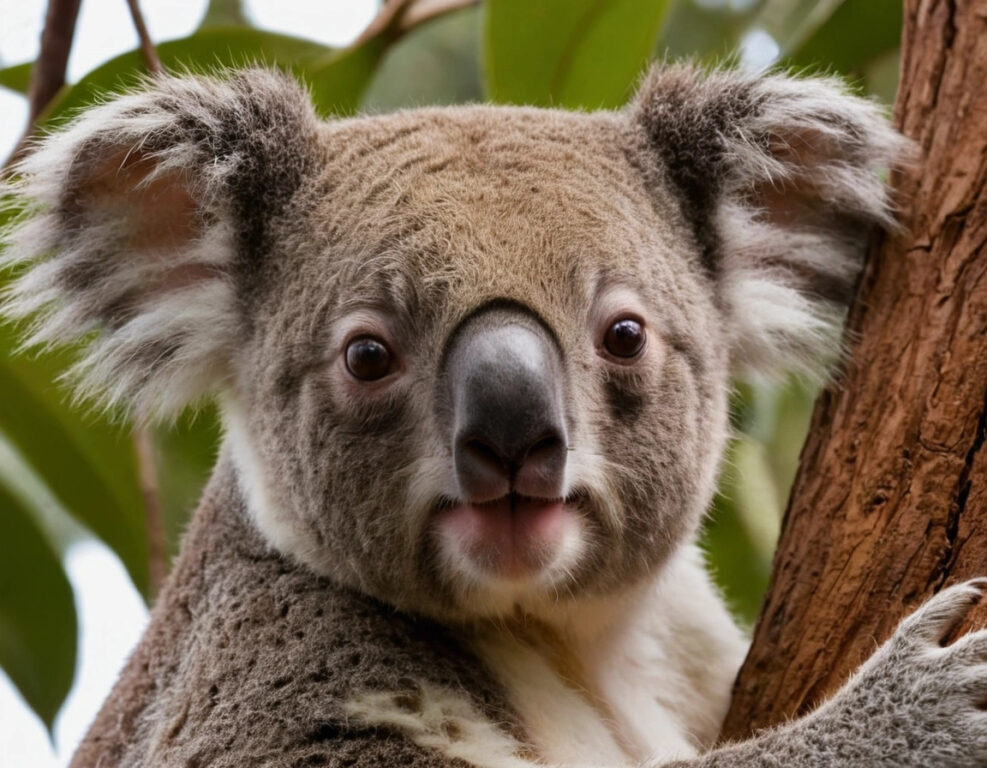
Let’s cut the crap: does a koala have a tail? Nope. Not a proper one, anyway. If you’ve ever stared at a koala clinging to a eucalyptus and thought, «Something’s missing,» you’re right. These furry little stoners are basically tailless. But here’s the twist: they do have a tiny, useless remnant called a vestigial tail. It’s there, buried under fur, doing absolutely nothing. So technically, they have a tail—just one that evolution forgot to finish.
Why Koalas Ditched the Tail (And Why It Works)
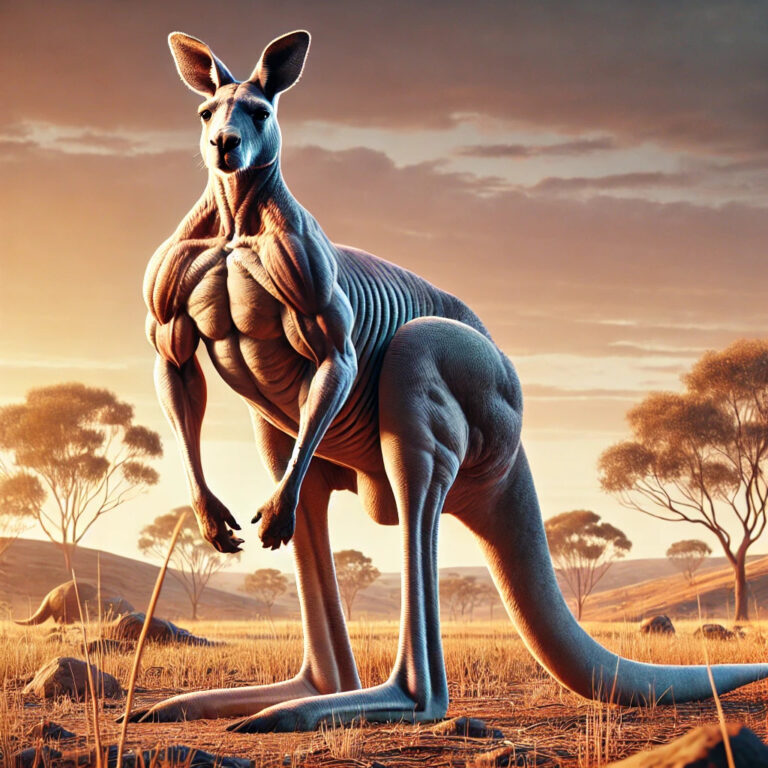
Most marsupials—kangaroos, wombats, possums—rock big, functional tails. Kangaroos use theirs as a fifth leg when hopping. Wombats use theirs for balance. Koalas? They said, «Nah, we’re good.» Instead of a tail, they’ve got a stubby little nub that doesn’t even show. And that’s not a defect; it’s a feature. Koalas spend up to 20 hours a day sleeping in trees. A long tail would just get in the way, snag on branches, or drag them down. Evolution trimmed the fat.
So when you ask does a koala have a tail, the honest answer is: not in any way that matters. Their body plan is all about gripping and climbing, not swishing or balancing. They traded a tail for a lifestyle of lazy luxury in the canopy.
The Anatomy of a Tailless Tree Hugger
Koalas have powerful front limbs with two opposable thumbs on each hand—yes, two—which let them grip branches like a vice. Their hind legs are just as weird: the second and third toes are fused into a grooming claw. No tail needed when you’ve got built-in climbing gear. Their body is round, stocky, and designed to wedge into tree forks. A tail would only complicate that.
And here’s the kicker: koala tail absence isn’t a recent thing. Fossil evidence shows their ancestors started losing it millions of years ago as they adapted to life in the trees. The vestigial tail is a leftover, like your appendix—proof that evolution doesn’t always clean up after itself.
What About Other Marsupials? A Quick Reality Check
Kangaroos? Tail as thick as your arm, used for balance and steering. Wombats? Short but sturdy tail for stability. Tasmanian devils? Fat tail for energy storage. Koalas? They looked at that and said, «We’ll pass.» Instead, they store fat in their bellies and bums. That’s why they look so chubby—it’s not just fluff.
So if you’re wondering why koalas don’t have tails, the answer is simple: they don’t need one. Their niche—sitting in eucalyptus trees, eating toxic leaves, and sleeping—doesn’t require a tail. In fact, a tail would be a liability. It would make them less stable when perched on thin branches and more visible to predators. Evolution favors efficiency, not extra baggage.
The Vestigial Tail: A Tiny Clue to Their Past
You might be thinking, «But I’ve seen a koala’s butt—there’s nothing there.» Exactly. The vestigial tail is so small it’s practically invisible under their thick fur. It’s a few vertebrae and some muscle, no longer than a human finger. It doesn’t move, it doesn’t grip, it doesn’t do anything. It’s a ghost of a tail.
Some researchers argue that this vestigial koala tail is evidence of their arboreal ancestry. Early koala relatives might have had a tail, but as they specialized for tree-dwelling, it shrank. Now it’s just a souvenir. And honestly, that’s kind of cool—it shows how evolution tinkers over millions of years.
Why This Matters for Koala Conservation
Understanding koala anatomy isn’t just trivia. It helps us protect them. Koalas are endangered in many parts of Australia due to habitat loss, disease, and climate change. Their tailless, tree-dependent lifestyle makes them extra vulnerable: if a tree is cut down, they can’t just move to the next one easily. They need mature eucalyptus forests with the right species. No tail means no quick escapes.
Plus, their lack of a tail is a reminder of how specialized they are. You can’t just relocate koalas to any forest; they need specific trees and a stable environment. So next time someone asks does a koala have a tail, tell them no—and then tell them why that matters for the species’ survival.
Common Myths and Misconceptions
Myth #1: Koalas are bears. Nope, they’re marsupials. Bears have tails (short ones), koalas don’t. Myth #2: Koalas are lazy. They’re not lazy; they’re energy-efficient. Eucalyptus leaves are toxic and low-calorie, so they sleep to conserve energy. Myth #3: Koalas have a tail but it’s hidden. Nope, it’s vestigial—basically a nub.
So if you ever find yourself in a heated debate about koala tail facts, you’re now armed with the truth. They don’t have a functional tail, and they’re perfectly fine with that. It’s a testament to how evolution shapes animals to fit their environment—no tail, no problem.
The Bottom Line
Koalas don’t have a tail. They have a tiny, useless vestige. And that’s not a flaw; it’s an adaptation. Their bodies are built for clinging, climbing, and sleeping. A tail would just be dead weight. So the next time you see a koala, appreciate the weirdness: a marsupial that ditched its tail and thrived. That’s evolution being brutally practical.
And if you want to see one in person, head to Australia—but keep your distance. They may look cuddly, but they’ve got sharp claws and a bad attitude when disturbed. No tail, but plenty of personality.