

Post actualizado el día octubre 17, 2026 by DeiviSanzPlay
Let’s cut the crap: if you’re a teacher still juggling loose papers, sticky notes, and a chaotic Google Drive, you’re wasting hours every single week. A teaching portfolio isn’t some bureaucratic checkbox—it’s your personal command center. And in 2026, with AI tools and digital platforms everywhere, there’s zero excuse to keep working like it’s 2010.
What Exactly Is a Teaching Portfolio (And Why Yours Probably Sucks)
A teaching portfolio is the organized, living archive of everything you do as an educator: lesson plans, rubrics, student progress trackers, reflections, and evidence of your own growth. It’s not a dusty binder you fill out in August and forget until June. If that’s what yours looks like, you’re doing it wrong.
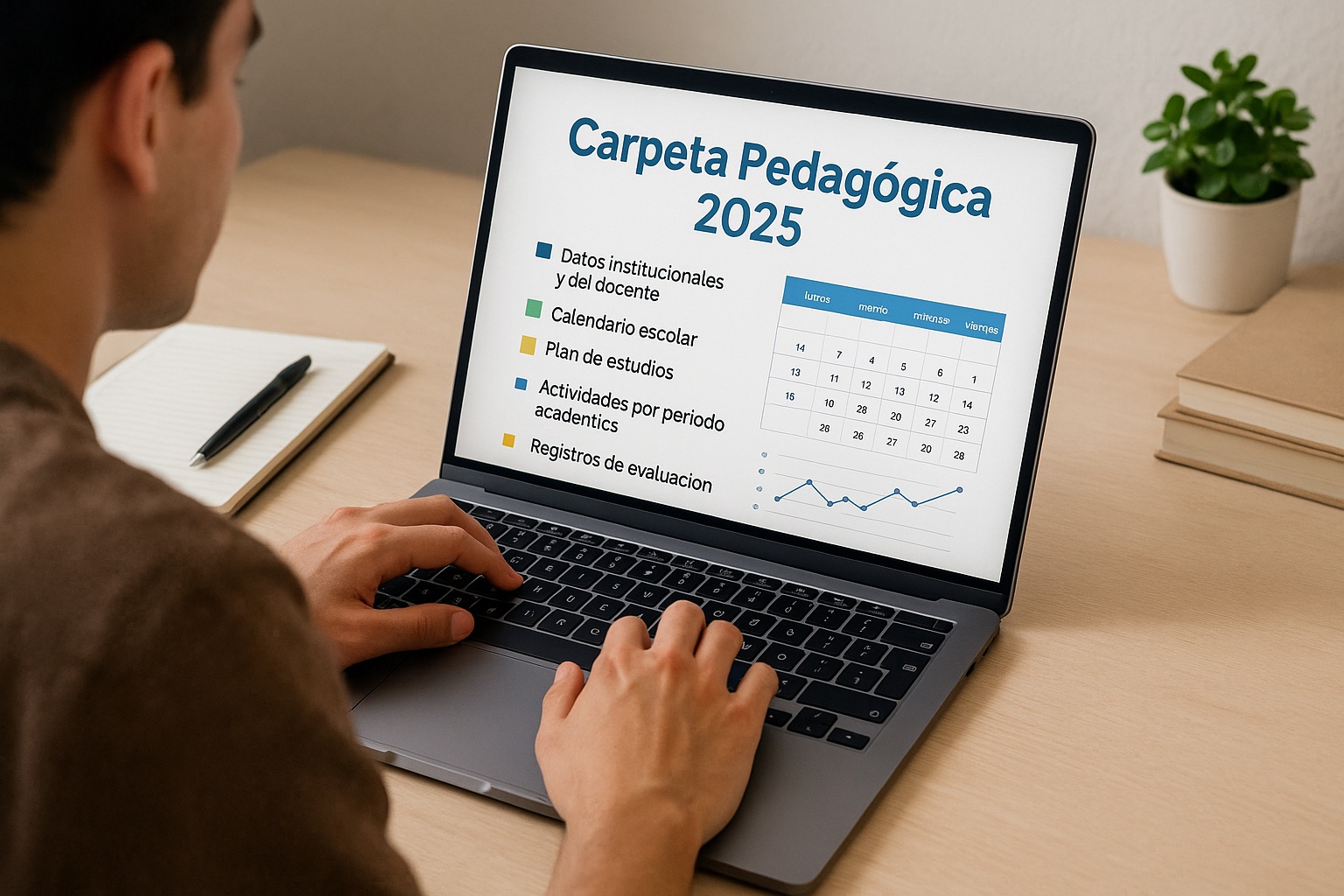
The real value of a pedagogical folder lies in its dynamics. It should evolve weekly, not yearly. In 2026, most smart teachers sync their portfolio with cloud tools like Notion, Google Drive, or even OneNote, so every update is instant and accessible from any device.
Here’s the kicker: a well-built teaching portfolio isn’t just for you. It’s your evidence when admin asks for proof of differentiation, when parents question grades, or when you apply for a promotion. Without it, you’re defending yourself with nothing but memory.
Organization That Actually Saves Your Sanity
You don’t need to be a Marie Kondo of lesson plans. You need a system that lets you find any document in under 10 seconds. That’s the whole point of a teaching portfolio: speed and clarity.
Start with three master folders: Planning, Assessment, and Evidence. Inside each, use consistent naming: 2026-03-15_Algebra_Unit4_LessonPlan. No more «final_final_v2.pdf».
Digital tools have made this ridiculously easy. Notion lets you embed videos, create databases, and link related materials. Google Drive with a clear folder structure works fine too. The key is consistency—spend 10 minutes every Friday tidying up, and you’ll never face a Monday morning panic again.
Teachers who maintain a structured teaching portfolio report saving up to 5 hours per week on administrative tasks. That’s real time you can reinvest in actual teaching.
Assessment Without the Last-Minute Guesswork
One of the most underrated functions of a teaching portfolio is tracking student progress over time. Instead of relying solely on final exams, you build a continuous record: formative quizzes, observation notes, project rubrics, and student self-assessments.
In 2026, platforms like Kahoot!, ClassDojo, and Google Forms integrate directly with your digital folder. You can auto-generate reports, spot patterns, and adjust your teaching before it’s too late. That’s the difference between reactive teaching and proactive teaching.
Don’t fall into the trap of only documenting failures. A strong pedagogical folder also highlights what worked—the lesson that sparked debate, the project that exceeded expectations. Those are your proof points for future evaluations.
Planning Your Year Like a Pro (Not a Firefighter)
If you’re always putting out fires, you’re not planning—you’re surviving. A teaching portfolio flips that. It forces you to break the year into teaching units, projects, and weekly goals before the chaos starts.
Use tools like Trello or Evernote to sync your planning with reminders. Set milestones: when to introduce a new topic, when to review, when to assess. This isn’t about being rigid; it’s about having a map so you can adapt without getting lost.
Anticipation beats improvisation every time. Teachers who plan with a portfolio structure report lower stress and better classroom flow. That’s not opinion—it’s pattern recognition from thousands of educators.
Continuous Improvement: The Part Most Teachers Skip
Your teaching portfolio should be a mirror, not a trophy case. At the end of each term, review what you included: Did the strategies work? What feedback did students give? What would you change?
In 2026, AI tools can analyze your data and suggest adjustments—like identifying which lesson formats correlate with higher engagement. But AI is just a tool. The real driver is your willingness to reflect and iterate.
Don’t just collect documents. Add a short reflection note after each unit. Two sentences: what worked, what didn’t. Over a year, that’s a goldmine of professional growth.
Digital vs. Physical: Pick One and Commit
Hybrid portfolios are a mess. Either go fully digital or keep a physical binder—but don’t half-ass both. Digital wins for most teachers because of searchability, backup, and integration with grading platforms.
However, if your school has spotty Wi-Fi or strict data policies, a physical portfolio with printed key documents is still valid. The tool matters less than the habit. Update it weekly, not when you remember.
In 2026, the best teaching portfolio is the one you actually use. Fancy templates mean nothing if they sit empty.
Common Mistakes That Kill Your Portfolio’s Value
- Hoarding everything: A portfolio is curated, not a dumpster. Keep only what demonstrates growth or effectiveness.
- No dates: Without dates, you can’t track progress or show improvement over time.
- Ignoring student voice: Include feedback, quotes, or survey results. It’s evidence of impact.
- Waiting until evaluation season: Build it continuously, not in a panic two weeks before review.
Fix these four things and your pedagogical folder goes from dead weight to career asset.
Ready to Build Yours in 2026?
Stop overthinking. Open a folder, name it Teaching Portfolio 2026, and add three things today: your current unit plan, a recent assessment, and a two-line reflection. That’s it. Do that every week for a month, and you’ll wonder how you ever taught without it.
The teachers who thrive aren’t the ones with the most resources—they’re the ones with the best systems. A teaching portfolio is that system. Build it, use it, and watch your stress drop while your impact rises.
