

Post actualizado el día octubre 26, 2026 by DeiviSanzPlay
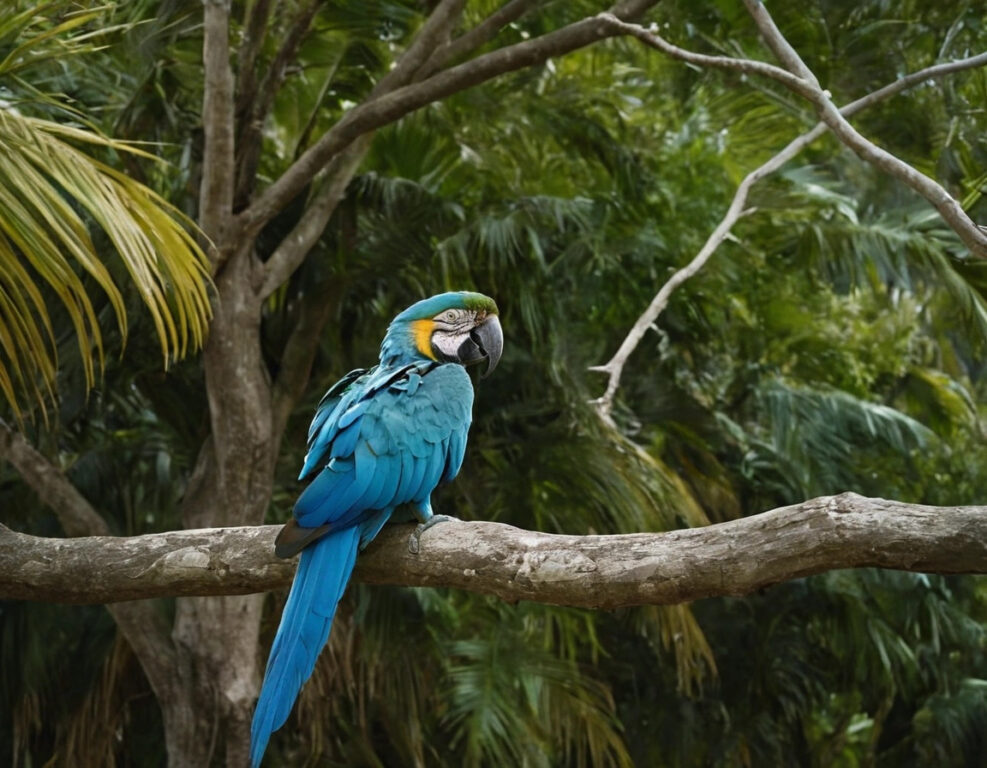
If you think blue macaws are just pretty birds, you’re missing the point. These animals are the ultimate test of whether we can actually keep a species alive when everything is stacked against it. The short answer to the question everyone asks: yes, blue macaws are in danger of extinction, and the situation is more serious than most people realize.
But here’s where it gets interesting. The term «blue macaw» gets thrown around loosely. There are actually several species in the mix, and their conservation status varies wildly. The Spix’s macaw (Cyanopsitta spixii) is the poster child for extinction in the wild. The Lear’s macaw (Anodorhynchus leari) is endangered. The hyacinth macaw (Anodorhynchus hyacinthinus) is vulnerable. And the blue-and-yellow macaw (Ara ararauna) is the most common, but still under pressure.
Are Blue Macaws and Blue Parrots Really on the Brink?
The IUCN Red List is the authority here. The Spix’s macaw is officially classified as critically endangered, and for years it was considered extinct in the wild. That’s not a typo. It was gone from its natural habitat in Brazil until a massive reintroduction effort started to change the narrative.
The blue macaw population in the wild has been decimated by a combination of factors that feed into each other. It’s never just one thing. It’s habitat loss, poaching, climate shifts, and disease all working together.
What most people don’t realize is that the illegal pet trade is not a small operation. It’s a multi-billion-dollar industry, and blue macaws are among the most coveted targets because they’re big, beautiful, and intelligent. A single hyacinth macaw can fetch thousands of dollars on the black market.
The Real Threats Nobody Talks About Enough
Deforestation gets the headlines, and it should. The blue macaw habitat in Brazil and Bolivia has been shrinking for decades. The Cerrado and Amazon regions have been hit hard by agricultural expansion, cattle ranching, and soy production.
But here’s the nuance: it’s not just about losing trees. It’s about losing specific trees. Blue macaws depend on particular palm species for nesting and food. The licuri palm and the acuri palm are critical for certain species. When those disappear, the birds don’t just move somewhere else. They simply don’t breed.
The loss of a single keystone tree species can collapse an entire bird population. That’s the level of fragility we’re dealing with.
Poaching is the other massive problem. Nest poaching is particularly devastating because it targets the next generation. A single stolen chick represents decades of lost reproductive potential.
And then there’s climate change. It’s not just about temperature. It’s about rainfall patterns shifting, which changes when fruit ripens, which changes food availability. Blue macaws have evolved to sync with specific seasonal rhythms. When those rhythms break, the birds suffer.
Conservation Wins That Deserve More Attention
Here’s where I’ll push back against the doom narrative. Blue macaw conservation has actually produced some genuine success stories, and ignoring them would be dishonest.
The Spix’s macaw reintroduction program in Brazil is the most dramatic example. In 2022, a group of Spix’s macaws was released into the wild in Bahia state. It was the first time the species had been seen in its natural habitat in over 20 years. That didn’t happen by accident. It took decades of captive breeding, international cooperation, and serious money.
The Lear’s macaw tells a different story. Its population was down to a few hundred birds in the 1980s. Through habitat protection and anti-poaching measures, it has recovered to over 1,000 individuals. Still endangered, but moving in the right direction.
These programs work because they’re not just about breeding birds. They’re about protecting habitat, working with local communities, and addressing the root causes of decline.
What Actually Works to Save Blue Macaws
If you want to know how to protect blue macaws from extinction, the answer is not simple. But there are patterns that consistently produce results.
First, protect the habitat before you need to breed birds. Captive breeding is a last resort. It’s expensive, slow, and doesn’t address the reason the species declined in the first place.
Second, engage local communities. Anti-poaching enforcement alone doesn’t work. People who live near blue macaw habitats need economic alternatives. Ecotourism has been a game-changer in some regions. When a local guide can earn more from showing tourists a living macaw than from selling a dead one, attitudes shift.
Third, fight the illegal trade on the demand side. As long as there are buyers, there will be sellers. Reducing demand for exotic pets in the US, Europe, and Asia is just as important as protecting nests in Brazil.
Fourth, monitor and adapt. Conservation isn’t a one-time fix. It’s an ongoing process. Tracking populations, monitoring nesting success, and adjusting strategies based on real data is what separates effective programs from feel-good gestures.
Why Blue Parrots Are Uniquely Vulnerable
Blue parrots share many of the same threats as macaws, but they have their own challenges. They’re often smaller, which makes them easier to smuggle. They’re also highly social, which means capturing one often means disrupting a whole flock.
The blue parrot habitat in South America’s tropical forests is under constant pressure from urbanization and agricultural clearing. Unlike some species that can adapt to disturbed landscapes, blue parrots are specialists. They need specific conditions to nest and feed.
And here’s the uncomfortable truth: the pet trade doesn’t just remove individual birds. It removes the social knowledge that flocks pass down. Older birds teach younger ones where to find food, how to avoid predators, and where to nest. When you take out the experienced adults, you don’t just lose birds. You lose culture.
The Bottom Line on Blue Macaw Survival
Are blue macaws in danger? Absolutely. Are they doomed? No. The difference between extinction and recovery comes down to sustained, well-funded, scientifically grounded action.
The Spix’s macaw went from extinct in the wild to reintroduced. The Lear’s macaw went from a few hundred to over a thousand. These aren’t flukes. They’re the result of people deciding that losing these birds wasn’t acceptable.
But let’s not pretend it’s solved. The illegal pet trade is still thriving. Deforestation is still happening. Climate change is still accelerating. The next decade will determine whether blue macaws remain a symbol of conservation success or become a cautionary tale about what happens when we wait too long.
If you want to help, support organizations that work on habitat protection, not just captive breeding. Push for stronger enforcement of wildlife trade laws. And if you’re thinking about buying a parrot as a pet, do your homework. Make sure it’s captive-bred and legal. The wild population can’t afford another stolen chick.
