Post actualizado el día octubre 27, 2026 by DeiviSanzPlay
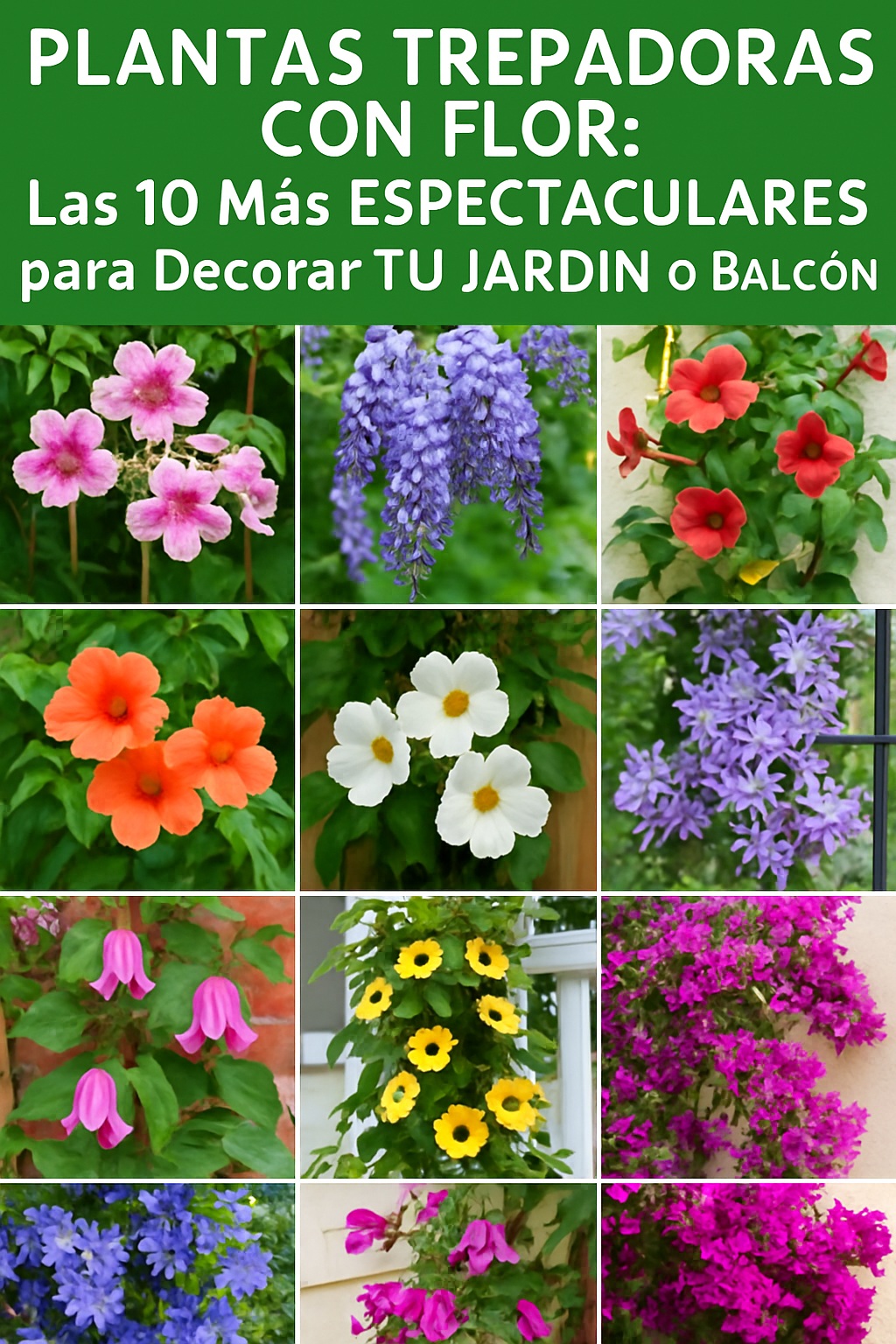
If you want a garden or balcony that looks like a postcard without spending a fortune, flowering climbing plants are your best bet. They grow fast, cover ugly walls, give you privacy, and some of them smell so good you’ll want to stay outside all night. I’ve tested several of these myself, and I’m going to tell you which ones are actually worth it — and which ones will test your patience.
Why Climbing Plants Beat Regular Garden Flowers
Vertical gardening is not just a trend. A single flowering vine can cover 10 square meters of wall in one season, something no shrub can do. They create natural shade in summer, attract butterflies and hummingbirds, and screen you from nosy neighbors. The best part? Most of them are perennials, so you plant once and enjoy for years.
But not all climbers are equal. Some need full sun, others burn in it. Some take three years to bloom, others flower the first summer. Choose wrong and you’ll be staring at a green wall with zero flowers. So let’s go through the ones that actually deliver.
1. Jasmine: The King of Fragrance
Jasmine is the undisputed champion of scent. Its white or yellow flowers release their perfume at night, which makes it perfect for a terrace where you have dinner in summer. There’s nothing like it.
Care tips: Full sun to partial shade. Water moderately — jasmine hates waterlogged roots. It handles down to -5°C, but in a pot you should shelter it in winter. If you live in a cold climate, grow it in a container and move it indoors.
One thing nobody tells you: jasmine needs regular pruning after flowering, or it becomes a tangled mess. Cut it back by a third and it will reward you with more blooms.
2. Climbing Rose: The Elegant Classic
Climbing roses are the royalty of flowering vines. Large, lush blooms in pink, red, or white that last for months. They’re not as fast as jasmine, but the payoff is worth it.
Give them at least 6 hours of direct sun daily. Water deeply in summer, especially the first two years while they establish. Prune in winter to encourage more flowers — remove old canes and tie new ones horizontally. That horizontal training is the trick to get flowers all along the stem instead of just at the top.
Watch out for black spot and aphids. A simple mix of water and potassium soap handles most pests without chemicals.
3. Bougainvillea: The Explosion of Color
Bougainvillea is not technically a flower — those pink, purple, or orange «petals» are bracts. But who cares? It covers walls faster than almost anything and thrives on neglect.
The more sun, the more color. In fact, if you overwater or overfeed it, you get leaves and no bracts. Stress it a little and it explodes. It doesn’t tolerate strong frosts, so in cold zones keep it in a pot and bring it inside before the first freeze.
Pro tip: Bougainvillea blooms best when its roots are slightly restricted. If it’s in the ground and not flowering, root-prune it in spring.
4. Clematis: The Queen of Climbers
Clematis produces enormous flowers in blue, violet, or white — some varieties are as big as a dinner plate. The golden rule: «feet in the shade, head in the sun.» Cover the base with stones or low plants, and let the vine climb into full sun.
Pruning depends on the variety. Early-flowering types bloom on old wood, so prune right after flowering. Late-flowering types bloom on new growth, so cut them back hard in late winter. Get this wrong and you’ll lose a year of flowers.
5. Honeysuckle: Sweet Aroma and Tubular Flowers
Honeysuckle is a hummingbird magnet. Its tubular flowers smell like honey and bloom over a long season. It’s ideal for gazebos, pergolas, and fences.
It’s tough — handles frosts down to -15°C. Give it sun to partial shade and moderate water. One warning: some species are invasive in certain regions, so check your local regulations. The native varieties are usually the safest bet for wildlife.
6. Wisteria: Cascades of Lilac Flowers
Wisteria is the most dramatic climber you can grow. Its giant clusters can reach 50 cm long and look straight out of a movie. But it takes patience — usually 2 to 3 years to bloom, sometimes more if grown from seed.
To speed things up, buy a grafted plant, not a seedling. Prune twice a year: in summer cut long shoots to 5-6 buds, in winter cut those same shoots to 2-3 buds. This stress pushes it to flower.
Wisteria needs strong support — it gets heavy. A flimsy trellis will collapse. Use steel cables or a solid wooden pergola.
7. Passionflower: The Exotic Alien-Looking Bloom
Passionflower (Passiflora) looks like something from another planet. Blue or purple flowers with a unique structure, and some varieties produce edible fruit. It’s also used medicinally for relaxation.
It grows fast in full sun and well-drained soil. In cold climates it dies back to the ground but regrows in spring. In warm zones it can become invasive, so keep it in check.
8. Flowering Ivy: Easy and All-Terrain
Not all ivy is boring. Some varieties produce yellow flowers in spring and tolerate shade, poor soil, and neglect. It’s the best choice for north-facing walls where nothing else grows.
It’s not the flashiest, but it’s reliable. If you want green coverage with a touch of color and zero maintenance, this is it.
Quick FAQ: Flowering Climbers
- Which is the fastest flowering climber? Honeysuckle or bougainvillea. Both can cover a wall in one season.
- Are there flowering climbers for shade? Yes — flowering ivy and some clematis varieties. Most others need at least 4-6 hours of sun.
- Can they be grown in pots? Absolutely, but choose dwarf varieties and use a large container (at least 30 liters).
- Do they attract pollinators? Most do, especially honeysuckle, jasmine, and passionflower.
- How often should I fertilize? Once in spring and once after the first bloom. Too much nitrogen means leaves, not flowers.
My Honest Advice Before You Buy
Don’t buy based on photos alone. Check your climate zone first. Bougainvillea and passionflower are risky in cold areas unless you pot them. Wisteria is a long-term commitment. Jasmine and honeysuckle are the safest bets for beginners.
And please, don’t plant invasive species near natural areas. Check with your local nursery — they know what’s safe in your region.
If you only have a balcony, go for jasmine or a dwarf climbing rose. If you have a big wall and want fast results, bougainvillea or honeysuckle. If you want a showstopper that takes time but pays off, wisteria.
Which one are you planting this year? Let me know in the comments — and if you need help pruning, check my guide to pruning climbing plants.