Post actualizado el día octubre 25, 2026 by DeiviSanzPlay
Glycerin gel has been on pharmacy shelves for decades, but in 2026 it has come back into fashion for a very specific reason: almost everyone’s skin is more dehydrated than ever. Heating, air conditioning, pollution, and harsh soaps cause the skin barrier to break down sooner than we think. And this is where this humble, cheap, and tremendously effective product comes in.
It’s not magic, nor is it an 80-euro serum. It’s a pure humectant that draws water from the environment into the outermost layer of the skin. That said, if you live in a dry place, it needs a little help to avoid doing the opposite. I’ll tell you straight.
What exactly glycerin gel is (and why it’s not the same as pure glycerin)
Glycerin is a polyhydric alcohol obtained from vegetable or animal fats. Glycerin gel is that same glycerin mixed with water and a gelling agent (usually carbomer) to give it that transparent, lightweight texture that absorbs quickly. Pure glycerin is too thick and can irritate if applied directly, so the gel is the domestic and safe version.
Its main function is to act as a humectant, not as an occlusive. This means it attracts water but doesn’t seal it in. That’s why the right way to use it is to apply it to slightly damp skin and finish with a cream or oil. If you use it on dry skin and in an environment with humidity below 40%, it can draw moisture from deeper layers and leave your skin feeling tighter. It’s the number one mistake people make.
The real benefits of glycerin gel for the skin
Immediate hydration. Applied to damp skin after showering, it maintains hydration for hours. It works especially well on legs, arms, and back.
Relief for reactive skin. Since it contains no perfumes or alcohol in its most basic version, it’s a very decent option for sensitive skin, rosacea, or post-laser skin. That said, beware of gels that contain colorants or fragrance: there it loses almost all its appeal.
Improves texture in rough areas. Elbows, knees, heels, and soles of the feet respond very well. Applying a generous layer at night and sleeping with cotton socks is an old podiatrist’s trick that still works.
It doesn’t clog pores. Unlike many dense creams, glycerin gel has a molecular weight that doesn’t tend to block pores. On acne-prone skin, it works better as a thin layer under your usual treatment than as a substitute.
A fact almost no one mentions: glycerin also has a certain effect on skin barrier repair. It’s not just water; it also helps skin cells recover faster from external aggressions.
Glycerin gel for hair: when to use it and when not to
On curly or very dry hair, glycerin gel is an interesting ally. It attracts moisture to the hair shaft and defines curls without weighing them down if used in small amounts on damp hair. The key is to mix it with a styling cream or an oil to seal afterward.
On straight or fine hair, however, it can leave a sticky, dull feeling. And if you live in a dry climate, the result is usually the opposite of what you want: the curl opens up and the hair frizzes more. In that case, a leave-in with oils is better.
Creative applications that are actually worth it
Homemade masks. Mixing a tablespoon of glycerin gel with aloe vera and a few drops of jojoba oil makes a very decent hydrating mask for skin or scalp. Don’t invent weird proportions: two parts aloe to one part glycerin works well.
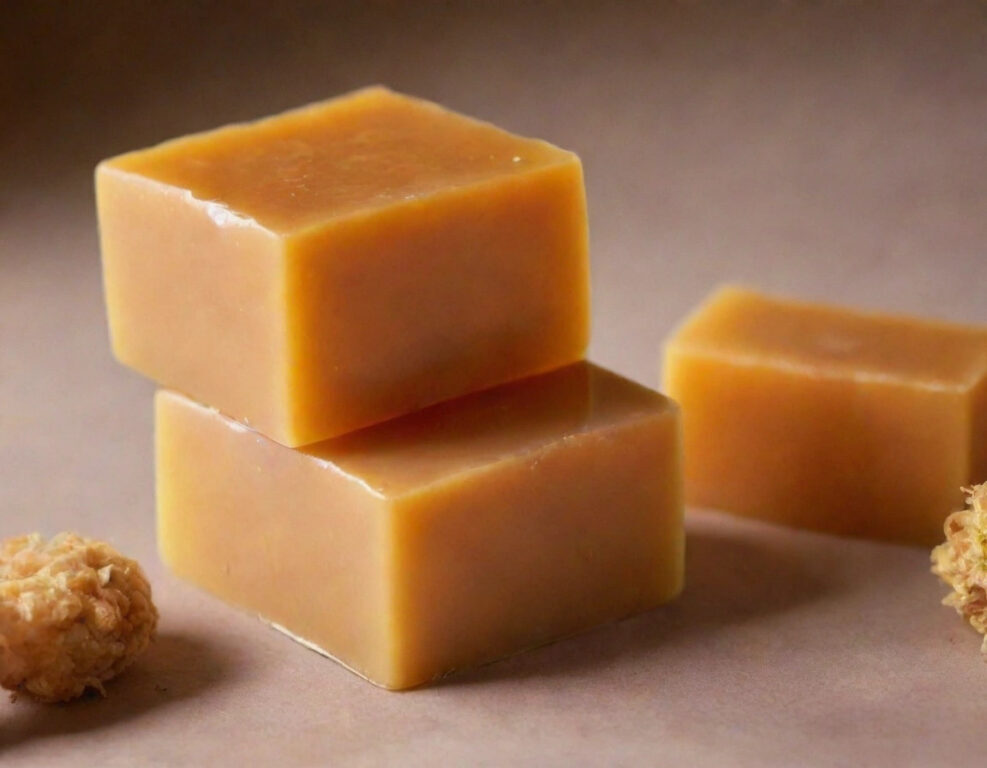
Artisan soap. It’s the classic base for transparent glycerin soaps. Being a humectant, it leaves skin less tight than a commercial soap. That said, don’t expect miracles: soap is still soap and strips lipids.
Homemade after-sun. Keep the gel in the fridge and apply it after the beach. It soothes the burning and helps maintain hydration after sun exposure. But if there’s a real burn, a specific product with dexpanthenol is better.
Where to buy it and how to choose a good one
You’ll find it in pharmacies, health food stores, and supermarkets. Usual price: between 3 and 8 euros for 250 ml. If you see one at 30 euros with a fancy name, be suspicious.
Check the label. Look for vegetable glycerin or glycerin among the first ingredients, without denatured alcohol, without fragrance, and without colorants. Those with parabens aren’t a drama either, but if you have reactive skin, it’s better to avoid them.
«Pharmaceutical grade» is a reasonable guarantee of purity. «100% vegetable» assures you it doesn’t come from animal tallow, which is relevant if you’re vegan or simply prefer not to use it.
Mistakes almost everyone makes with glycerin gel
- Applying it to completely dry skin in low-humidity environments. Result: tighter skin.
- Using it as a substitute for moisturizer. It isn’t: it lacks a fatty phase.
- Buying gels with perfume because they smell better. Fragrance is the main cosmetic irritant.
- Mixing it with strong acids (retinol, glycolic) without supervision. It can increase irritation.
Straightforward conclusion
Glycerin gel isn’t a revolutionary product and it won’t get rid of your wrinkles. It’s a cheap, versatile, and honest humectant that works very well as a base layer in hydration routines, for soothing reactive skin, and for treating rough areas. If you use it wisely —on damp skin and sealed afterward— it will bring you more joy than many absurdly priced products.
If you live in a dry climate, forget about it as a standalone product. If you live in a humid area or have dehydrated skin, it’s a must-have that costs less than a coffee.