Post actualizado el día octubre 26, 2026 by DeiviSanzPlay
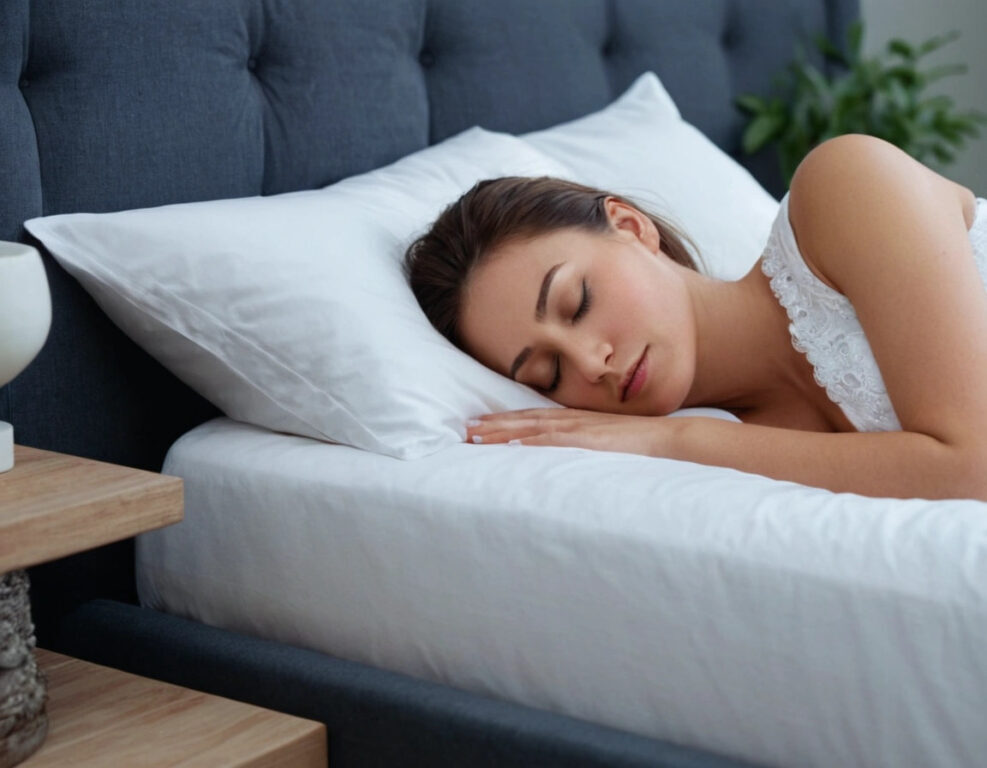
Let’s cut the crap: the pajama industry has been selling you comfort for decades, but science keeps pointing in the opposite direction. Sleeping naked isn’t a hippie trend or a couples-only thing. It’s a thermoregulation strategy, and your body knows it even if your Instagram feed doesn’t.
Why Sleeping Naked Beats Pajamas Most Nights
Your core temperature needs to drop roughly 1 to 2 degrees Fahrenheit to trigger deep sleep. Pajamas — especially polyester blends — trap heat and block that drop. Sleeping naked removes the barrier, letting your skin do what it was designed to do: release heat through vasodilation in your hands and feet.
The health and sleep benefits of sleeping naked aren’t marketing fluff. Studies on thermoregulation show that cooler skin surface temperature correlates with faster sleep onset and more time in slow-wave sleep. That’s the stage where your brain consolidates memories and your body repairs tissue.
Melatonin production also gets a boost. Darkness plus a cool body equals higher melatonin output. Pajamas that make you sweat at 3 AM? That’s a melatonin killer.
Pajamas Aren’t Useless — Here’s When They Win
I’m not going to pretend pajamas are the devil. If your bedroom sits below 65°F, or you share a bed with a partner who runs hot and steals blankets, cotton pajamas are the smarter call. Hypothermia isn’t a sleep hack.
There’s also the hygiene angle nobody likes to mention. Sleeping naked means more direct contact between your skin and sheets. If you wash your bedding weekly, fine. If you’re on a monthly rotation, pajamas act as a buffer against oils, sweat, and dead skin cells building up.
And let’s be honest: some people just don’t feel safe or relaxed naked, especially in shared housing, dorms, or with kids who barge in at 6 AM. Comfort is psychological too. If pajamas make you feel secure, that security lowers cortisol, which helps sleep. So the «sleeping naked vs pajamas» debate has no universal winner.
What Actually Happens to Your Body When You Sleep Naked
Beyond temperature, sleeping without clothes improves blood circulation because nothing constricts your waist, thighs, or wrists. Tight waistbands on pajama bottoms can restrict blood flow and even contribute to acid reflux if you sleep on your back.
Skin health is another underrated factor. Your skin needs to breathe. Occlusive fabrics trap moisture and bacteria, which can worsen acne on your back and chest, or trigger fungal issues in skin folds. Sleeping naked reduces that risk significantly — provided your sheets are clean.
For couples, skin-to-skin contact releases oxytocin, the bonding hormone. That doesn’t mean you have to have sex. Just lying against each other naked lowers stress markers in both partners. Pajamas create a fabric barrier that dampens that effect.
The Bedroom Setup That Makes Naked Sleeping Work
You can’t just strip down in a 78°F room with a thick duvet and expect miracles. Here’s the setup that actually delivers the benefits of sleeping without pajamas:
- Thermostat at 65-68°F (18-20°C). That’s the sweet spot for most adults.
- Breathable sheets. Cotton percale or linen. Skip microfiber — it’s plastic.
- Wash bedding every 5-7 days. Non-negotiable if you sleep naked.
- Light blanket, not a heavy duvet. You want to be able to kick it off without waking up.
- Blackout curtains. Melatonin needs darkness, not just coolness.
If you try this for a week and still wake up at 3 AM drenched, your room is too warm or your mattress retains heat. Memory foam is notorious for this. A cooling mattress pad fixes it.
Cotton Pajamas: The Only Kind Worth Wearing
If you’re going the pajama route, fabric matters more than style. Cotton, bamboo, or linen. Anything with more than 5% elastane or polyester turns your skin into a greenhouse.
Loose-fitting is better than snug. Those cute fitted pajama sets look great on TikTok but compress your abdomen and hips, which disrupts circulation and can trigger restless legs.
Skip pajamas entirely if you sweat at night, have night sweats from perimenopause, or live in a warm climate. In those cases, sleeping naked for better sleep quality isn’t optional — it’s the fix.
Does Sleeping Naked Have Any Real Drawbacks?
Yes, and I’ll list them without sugarcoating. First, if you have pets that sleep in your bed, fur and dander go straight onto your skin and into sensitive areas. Second, if you’re prone to urinary tract infections, sleeping naked with poor sheet hygiene raises risk.
Third, emergency situations. Fire, earthquake, a kid screaming at 2 AM. You’ll be standing outside in your birthday suit. Keep a robe on a hook next to the bed. It’s a 10-second fix that removes the only legitimate argument against sleeping naked.
Fourth, if you share a bed with someone who’s uncomfortable with it, forcing the issue is a bad move. Relationships need compromise, not thermoregulation dogma.
What Sleep Experts Actually Recommend
Most sleep scientists I’ve read don’t care whether you wear pajamas or nothing. They care about three things: temperature, darkness, and consistency. If sleeping naked helps you hit those, do it. If cotton pajamas help you hit those, do that.
The one thing experts consistently push back on? Heavy, synthetic sleepwear in warm rooms. That combination wrecks sleep architecture more than any other single factor short of caffeine at midnight.
So the honest answer to the sleeping naked or with pajamas question is: naked works better for most people in most bedrooms, but only if your environment supports it. Pajamas are a tool, not a virtue. Use them when the conditions call for it, and ditch them when they don’t.
Your body already knows what it wants at 2 AM. Stop overriding it with fabric.