Post actualizado el día octubre 26, 2026 by DeiviSanzPlay
If you’ve ever seen a Greyhound and a Whippet side by side, you probably did a double take. They look like the same dog, just scaled differently. But after spending time with both breeds—and digging into what owners and vets actually say—I can tell you they are not interchangeable. The Greyhound vs Whippet debate isn’t about which is «better»; it’s about which one won’t drive you crazy in your daily routine.
What Exactly Is a Greyhound?
The Greyhound is the poster child for sighthounds. It’s been around for thousands of years, bred to chase hares and deer across open land. That’s why it has that long, aerodynamic body, thin legs, and a deep chest that looks almost too big for its frame.
Here’s the thing people get wrong: a Greyhound is not a hyperactive maniac. Yes, it can hit speeds near 45 mph (72 km/h), but it’s basically a couch potato with a turbo button. It sleeps 16 to 18 hours a day and is famously quiet indoors. The Greyhound dog temperament is calm, gentle, and a bit aloof—more like a cat than a golden retriever.
Size-wise, a male Greyhound stands 28 to 30 inches (71–76 cm) at the shoulder and weighs 65 to 70 pounds (29–32 kg). Females are slightly smaller. Their coat is short and thin, which means cold weather is their enemy and hot pavement is a real hazard.
What Makes the Whippet Different?
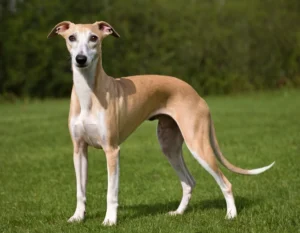
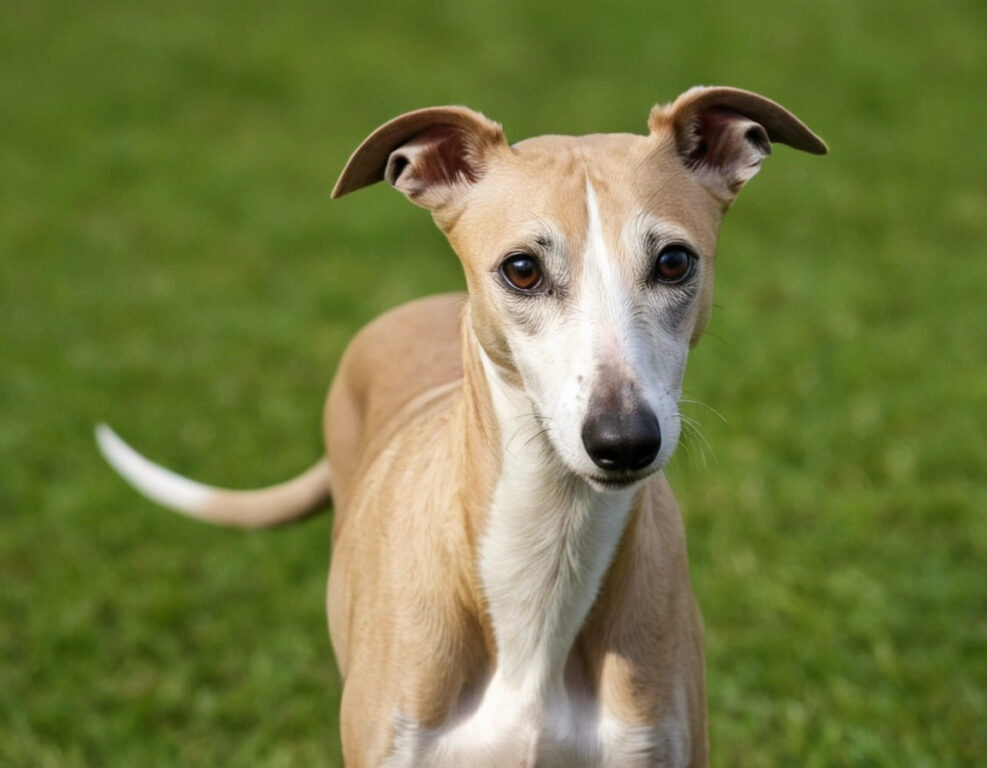
The Whippet is essentially a Greyhound that got shrunk in the wash. Same sighthound blueprint, just more compact. It was developed in England in the 1800s for poaching rabbits and competing in «rag races»—a working-class sport where dogs chased a cloth lure. That history explains why the Whippet is lightning fast (up to 35 mph) but also scrappy and smart.
A Whippet stands 18 to 22 inches (46–56 cm) and weighs 25 to 40 pounds (11–18 kg). That size difference is huge if you live in an apartment. Unlike the Greyhound, the Whippet dog is more of a velcro dog—it wants to be on your lap, under your blanket, following you to the bathroom. If you’re gone 10 hours a day, this breed will not handle it well.
Their coat is also short and smooth, but Whippets come in a wider range of colors and patterns, including brindle, fawn, and parti-color.
Greyhound vs Whippet: The Real Differences That Matter
Let’s cut through the fluff. The main differences are size, exercise needs, and emotional clinginess. But there are a few less obvious ones.
- Prey drive: Both will chase anything small and furry. A Greyhound might knock you over doing it; a Whippet is easier to physically control.
- Separation anxiety: Whippets are more prone to it. Greyhounds are more independent, partly because many retired racers are used to kennel life.
- Cold tolerance: Both are terrible in cold weather. But Whippets have slightly less body mass, so they get cold faster. You’ll need coats for both.
- Lifespan: Greyhounds live 10–13 years. Whippets often live 12–15 years. That’s a real difference if you’re thinking long-term.
- Health issues: Greyhounds are prone to bloat, dental problems, and corns on their paws. Whippets can have heart issues (mitral valve disease) and luxating patellas. Neither is a vet-bill nightmare, but don’t assume they’re invincible.
One more thing: Greyhounds are often available for adoption through racing rescue groups. That’s a huge plus if you want an adult dog with a known temperament. Whippets are harder to find in shelters, so you’ll likely go through a breeder—and wait.
Exercise: The Myth of the 10-Mile Run
People assume sighthounds need marathon-level exercise. Wrong. A Greyhound is happy with two 20-minute walks and a good sprint in a fenced yard a few times a week. A Whippet needs a bit more—maybe 45 to 60 minutes of daily activity—but still nothing like a border collie.
The catch is that both breeds need off-leash running in a secure area. A leash walk doesn’t cut it. Their bodies are built for explosive speed, not endurance jogging. If you’re a runner, don’t expect your Greyhound to pace you for 5 miles. It’ll sprint 200 yards and then look at you like you’re insane.
Mental stimulation matters too. Whippets especially get bored and destructive if you ignore them. Puzzle toys, flirt poles, and short training sessions work better than long, repetitive walks.
Training and Temperament: Which One Listens Better?
Neither breed is a Labrador. They’re independent thinkers bred to spot prey and act on instinct. That said, Whippets are generally more eager to please and more responsive to positive reinforcement. Greyhounds can be stubborn in a polite way—they’ll just ignore you if there’s nothing in it for them.
Socialization is non-negotiable for both. A Whippet that isn’t exposed to strangers early can become shy and skittish. A Greyhound that never meets small dogs might mistake one for a rabbit. Start young, use treats, and keep sessions short.
«A tired sighthound is a good sighthound—but ‘tired’ for them means a 30-second sprint, not a hike.»
Which One Should You Actually Get?
If you live in a small apartment, work from home, and want a dog that’s basically a living scarf, get a Whippet. It’s more affectionate, easier to manage, and adapts better to close quarters.
If you have a house with a fenced yard, want a quieter dog that sleeps all day and doesn’t demand constant attention, get a Greyhound. Adopting a retired racer is one of the most rewarding things you can do—they’re already crate-trained, leash-trained, and usually great with other dogs.
Don’t get either if you’re a runner who wants a jogging buddy, if you hate dog hair on your couch, or if you can’t commit to a 12-year relationship. These are sensitive, gentle dogs that bond hard. They’re not accessories.
And whatever you choose, budget for a good winter coat and a secure fence. A sighthound that gets loose is gone in seconds—not because it’s running away, but because it’s chasing something you can’t see.