

Post actualizado el día octubre 25, 2026 by DeiviSanzPlay
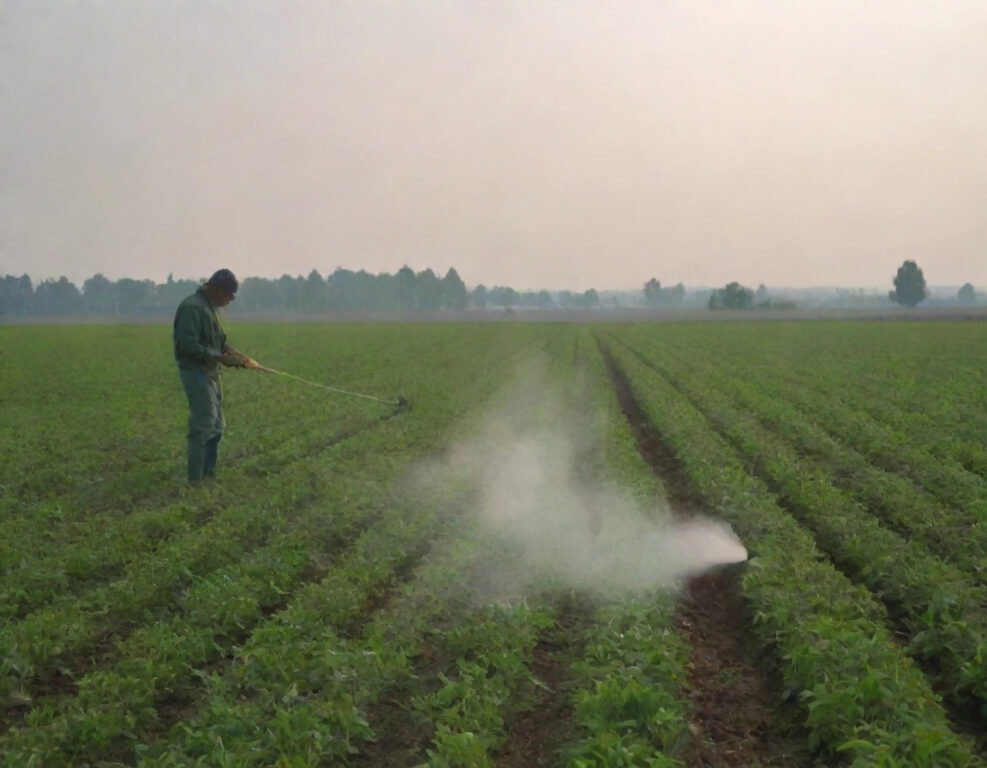
Chemical fertilizers and pesticides are in almost every orchard and garden, but few people stop to think about what they really hide. This is not about being alarmist, but about looking at the data. Prolonged exposure to these products has documented effects on human health and the environment. And no, it is not just a matter for farmers: anyone who uses an herbicide on their patio is playing with compounds that can take years to degrade.
What fertilizers and pesticides really are: beyond the label
A chemical fertilizer is a mixture of inorganic salts —nitrogen, phosphorus, potassium and a string of micronutrients— designed to make plants grow fast. A pesticide, for its part, is any substance that kills or repels pests: insecticides, herbicides, fungicides, rodenticides. Both share a problem: they are molecules that do not understand borders. They are applied in one place and end up in the water, in the air and in the tissues of living beings that were never the target.
The key lies in persistence. Many organochlorine pesticides, such as DDT, are still appearing in sediment analyses decades after being banned. Nitrogen fertilizers, although not toxic in themselves, are transformed into nitrates that contaminate aquifers. In Spain, according to the Ministry for the Ecological Transition, more than 20% of groundwater bodies are affected by nitrates of agricultural origin. That is not a distant problem: it is the water you drink.
Risks of chemical fertilizers for human health
Nitrate in drinking water is a direct risk. The World Health Organization sets a limit of 50 mg/l, but in intensive agricultural areas it is frequently exceeded. In infants under six months, excess nitrates cause methemoglobinemia, a disease that reduces oxygen transport in the blood and can be fatal. In adults, chronic exposure is associated with thyroid problems and some types of gastrointestinal cancer.
Phosphates are not far behind. Their excess in water triggers eutrophication: algae multiply uncontrollably, consume oxygen and kill fish and aquatic plants. This process creates dead zones in rivers and lakes, such as those that appear every summer in the Mar Menor. And we are not talking only about ecology: the loss of aquatic biodiversity affects fishing and tourism, two key economic sectors in many regions.
The real impact of pesticides on your health
Pesticides do not distinguish between pests and people. Occupational exposure of farmers and gardeners has been linked to endocrine disorders, male and female infertility, and a higher risk of non-Hodgkin lymphoma and leukemia. A meta-analysis published in Environmental Health Perspectives found that the children of women exposed to pesticides during pregnancy are more likely to develop neurodevelopmental problems.
But you do not have to be a farmer. Pesticide residues in fruits and vegetables are a reality. The European Food Safety Authority (EFSA) detects residues above legal limits every year in a significant percentage of samples. Washing fruit helps, but it does not eliminate the systemic compounds that the plant has absorbed. The only way to reduce exposure is to consume organic or locally sourced products, and not to trust labels that only meet the legal minimum.
Environmental effects: when the cure is worse than the disease
The massive use of pesticides has caused the fastest loss of biodiversity in recent history. Pollinators, essential for 75% of food crops, are in decline. Neonicotinoids, one of the most widely used groups of insecticides, affect the nervous system of bees and alter their orientation capacity. The European Union banned three of them in 2018, but others remain authorized with restrictions.
In addition, pests develop resistance. It is pure natural selection: individuals that survive a pesticide reproduce and produce resistant offspring. This forces the use of higher doses or more toxic products, entering a spiral that only benefits agricultural pharmaceutical companies. In Spain, there are already more than 200 species of insects resistant to the most common insecticides.
Safe and realistic alternatives to fertilizers and pesticides
It is not about returning to subsistence farming, but about choosing better. Composting is the simplest and most effective alternative to chemical fertilizers. Food scraps and pruning waste are transformed into humus, which improves soil structure, retains water and provides slow-release nutrients. Soil rich in organic matter needs up to 50% less chemical fertilizer.
For pest control, biological control is the smartest option. Introducing ladybugs to get rid of aphids, or beneficial nematodes against beetle larvae, works better in the long term than spraying. Integrated farming (IF) combines physical, biological and minimal chemical methods, and in many cases reduces pesticide use by up to 70% without losing crops.
Another alternative that almost no one mentions: plant extracts. Neem oil, diatomaceous earth or potassium soap are effective against common pests and degrade without leaving toxic residues. They are not as fast as a synthetic insecticide, but they do not pollute or generate significant resistance.
How to start reducing fertilizers and pesticides in your garden or orchard
The first step is to observe. Before spraying anything, identify the pest and its natural enemy. Many «problems» solve themselves if you let predators do their work. A garden with a diversity of plants attracts birds, spiders and lacewings that keep harmful insects at bay.
The second step is to feed the soil, not the plant. Living soil, with organic matter and microorganisms, produces stronger, more resistant plants. Crop rotation and companion planting —such as planting basil next to tomatoes— reduce pests and improve yields without chemicals. It is not magic: it is applied ecology.
If you live in the city, you can start with an urban garden in pots. Use organic substrate, water with rested water and apply homemade compost. The results will not be instantaneous, but within a few months you will notice the difference: fewer pests, healthier plants and the peace of mind of knowing that what you eat does not carry poison on it.
The chemical industry has spent decades selling the idea that without its products there is no harvest. The data say otherwise: organic farming produces between 10% and 20% less in yield, but with healthier soils, less pollution and more nutritious food. The real risk is not stopping the use of fertilizers and pesticides, but continuing to use them as if there were no consequences.
