Post actualizado el día octubre 25, 2026 by DeiviSanzPlay
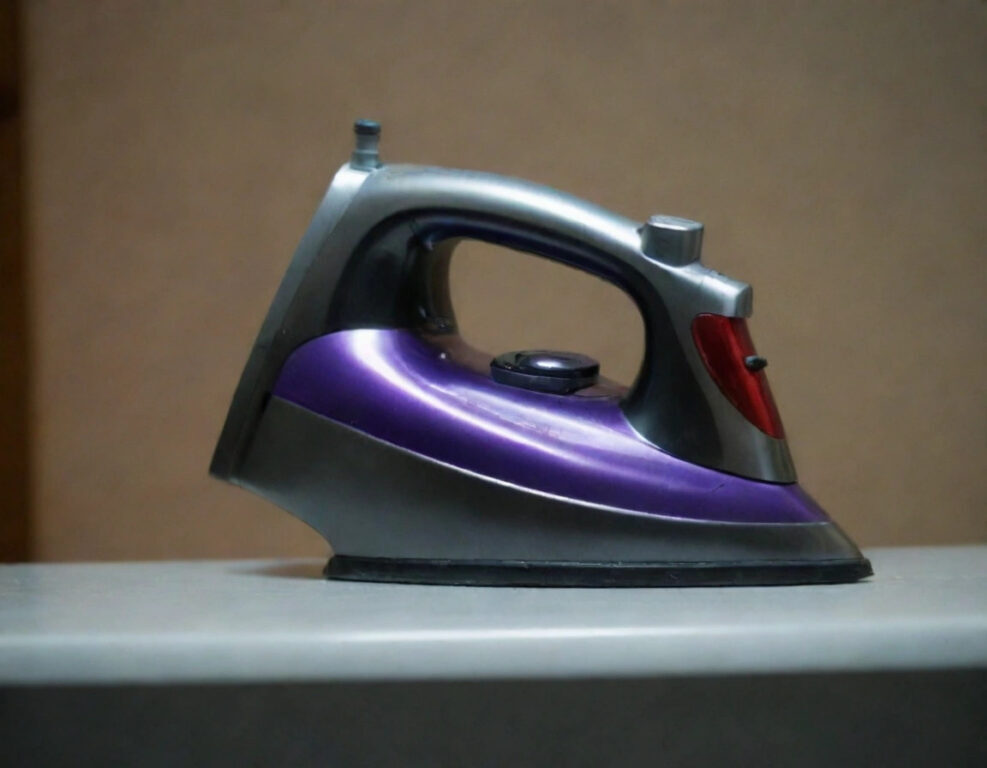
The iron has become an essential tool in any home, but with constant use it’s normal for those unsightly burnt stains to appear that seem impossible to remove. If you’ve ever wondered how to remove burnt residue from your iron without ruining it, you’ve come to the right place. In this article I’ll tell you the most effective tricks, based on my own experience and on what appliance care experts recommend.
The first thing you need to understand is that those black marks don’t appear out of nowhere. They form from the buildup of fabric residue, starch, and fabric softener that gradually carbonize with heat. If they aren’t cleaned in time, they turn into a hard layer that not only makes the iron look ugly but can also transfer onto your clothes and ruin your favorite garments. So pay attention, because here’s everything you need to know.
Why the iron burns and how to prevent it
The main cause of burnt stains is ironing at temperatures that are too high for the type of fabric. When the heat exceeds the melting point of synthetic fibers, they melt and stick to the soleplate. Excessive use of spray starch also plays a role, as it leaves a film that burns easily.
To prevent this from happening, the first step is to adjust the temperature according to each garment’s label. Ironing linen is not the same as ironing polyester. Also, clean the soleplate after every ironing session, even if it’s just with a damp cloth. This small gesture makes a difference and prevents residue from building up.
Another tip few people know: never leave the iron resting face down on the board while it’s hot. That prolonged contact with the board’s surface can also transfer residue to the soleplate. It’s better to stand it upright.
Homemade methods to remove burnt residue from the iron
When burnt stains are already there, the most effective approach is to turn to ingredients you probably already have at home. White vinegar and baking soda are the great allies. Make a thick paste with baking soda and a few drops of water, apply it to the cold soleplate, and let it sit for five minutes. Then scrub with a soft cloth and you’ll see how the residue comes off effortlessly.
White vinegar also works on its own. Moisten a microfiber cloth with vinegar and wipe it over the cold surface. The acetic acid dissolves the burnt residue and doesn’t damage the non-stick coating. Of course, avoid using hot vinegar or mixing it with bleach, because it can produce toxic vapors.
If the stains are very stubborn, you can try a white candle. With the iron hot (but without steam), rub the candle over the soleplate and let the wax melt. The wax penetrates the pores and lifts the dirt. Then wipe off the excess with a cloth and let it cool. This trick is especially useful for older irons.
Heads up: never use sharp objects like knives or screwdrivers to scrape. You’ll scratch the soleplate and ruin the iron forever.
Commercial products: when they’re worth it
There are specific iron cleaners on the market, such as cleaning sticks or impregnated wipes. They work well for light stains, but for severe burns they aren’t as effective as homemade remedies. If you decide to use them, read the instructions carefully and make sure the iron is cold before applying them.
Melamine sponges are another interesting option. Dampened and rubbed gently over the cold soleplate, they remove the layer of burnt residue without scratching. That said, don’t use them on irons with a delicate ceramic coating, because they could dull the finish.
My personal recommendation: for everyday use, vinegar and baking soda. For a deep clean every two months, a baking soda paste with a few drops of mild detergent. And if the iron is high-end, it’s better to follow the manufacturer’s instructions so you don’t void the warranty.
Cleaning the soleplate step by step
Before you start, unplug the iron and wait for it to cool completely. A hot soleplate can burn you or warp from thermal shock. Prepare a solution with distilled water and a teaspoon of mild detergent.
Moisten a microfiber cloth in the mixture and rub it gently in circular motions. Don’t soak the iron, just dampen the surface. For the steam holes, use a slightly dampened cotton swab. If there’s limescale residue, you can use a mixture of equal parts water and vinegar.
Afterward, wipe with a clean cloth dampened with distilled water to remove any soap residue. Dry well and leave the iron uncovered for at least an hour before storing it. This way you’ll prevent moisture from damaging the internal components.
How to keep your iron like new
The key is consistency. Clean the soleplate every two or three uses, and do a deep clean once a month. If you use tap water, limescale will build up faster, so it’s better to use distilled water. This is especially important in hard-water areas.
Empty the water tank after each use. Stagnant water not only causes bad odors but also clogs the steam channels. And store the iron upright in a dry place. If you leave it resting on its soleplate, any residual moisture can rust the base.
Check the cord periodically. A frayed or kinked cord is a short-circuit risk. If you notice it’s getting too hot, stop using it and have it checked. Safety comes first.
Mistakes you should avoid
- Using the iron for other purposes, such as heating adhesives or applying heat patches. This damages the soleplate and leaves residue that’s impossible to remove.
- Ironing without checking the garment’s label. An incorrect temperature can burn both the fabric and the iron.
- Leaving the iron on unattended. Besides the fire risk, prolonged heat carbonizes any residue.
- Mixing cleaning products. Never combine vinegar with bleach or ammonia with chlorine; the vapors are dangerous.
Frequently asked questions about how to remove burnt residue from the iron
Can I use baking soda on a ceramic iron? Yes, but carefully. Make a soft paste and rub with a microfiber cloth, never with a scouring pad. If the iron is very expensive, it’s better to use a cleaner specifically for ceramic.
How often should I clean the iron? It depends on use. If you iron daily, clean the soleplate every two days. If it’s occasional, once a week is enough. A deep clean, once a month.
Does vinegar damage the iron? No, as long as it’s diluted and used on a cold surface. Pure vinegar can be harsh on some plastics, so keep it away from the electronic parts.
What should I do if the stain won’t come off? Try a paste of baking soda and a few drops of lemon. If it still persists, the burnt residue may have penetrated the coating. In that case, consider replacing the iron; a damaged soleplate can ruin your clothes.
In the end, what makes the difference is daily care. Don’t wait until the iron starts smoking or leaving brown marks on your clothes. With these tricks, removing burnt residue from the iron stops being a mystery and becomes a quick and simple task. And remember: a clean iron not only extends the life of your garments, it also saves you trouble and money.