

Post actualizado el día octubre 26, 2026 by DeiviSanzPlay
Let’s cut the crap: the Shar Pei is not the dog for someone who wants a plush toy that wags its tail at every stranger. This is a loyal, protective pet with unique care needs, and if you don’t get that from day one, you’re going to have problems. I’ve dug into breed clubs, veterinary dermatology sources, and the history books, and here’s the real picture of the Shar Pei in 2026.
Where the Shar Pei Actually Comes From (And Why It Almost Disappeared)
The Shar Pei is ancient Chinese, not some trendy designer breed from the 1980s. It worked as a hunting dog, herder, and guardian in the southern provinces, and its famous wrinkles weren’t decoration. Those loose folds of skin let the dog twist and bite back when something grabbed it — a biological defense mechanism, not a cute filter.
By the mid-20th century, the breed was nearly extinct in mainland China. A handful of breeders in Hong Kong and the US, plus a well-known 1979 Life magazine feature, pulled it back from the brink. That genetic bottleneck matters: it explains why so many Shar Peis today carry health issues. When you save a breed from a few dozen dogs, you also save their inherited problems.
Blue-Black Tongue, Hippo Head, and That Famous Coat
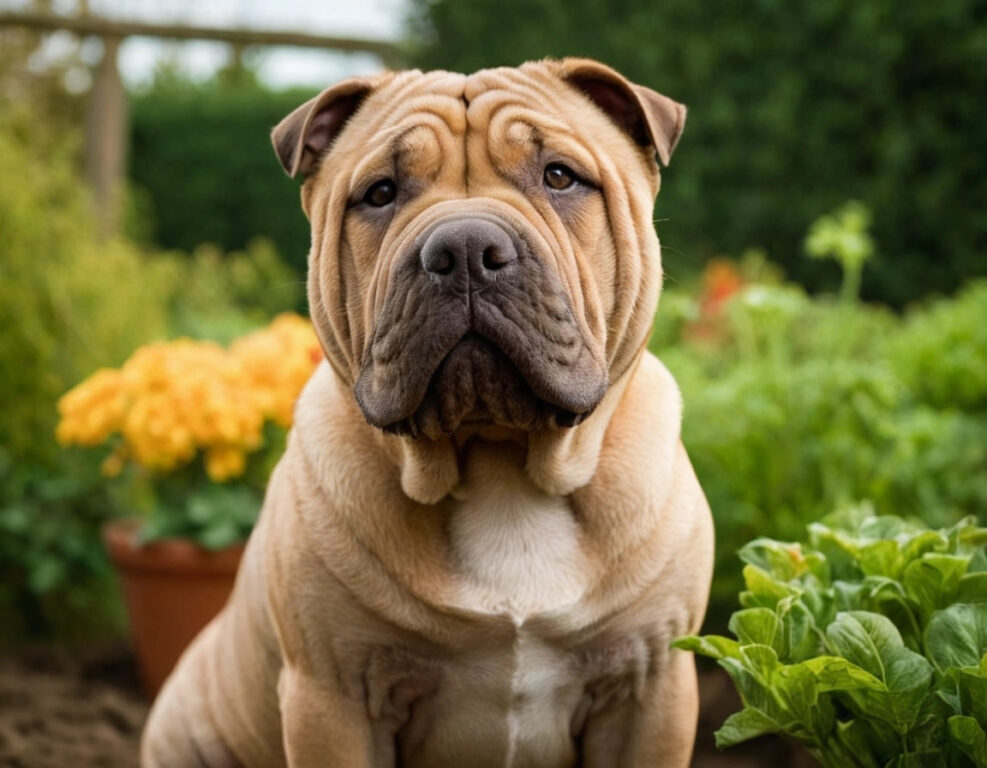
The Shar Pei’s blue-black tongue is the fastest way to spot the breed. Only the Chow Chow shares it, and that’s not a coincidence — both trace back to ancient Chinese lines. The «hippo head,» the small triangular ears, and the high-set tail complete a silhouette you won’t confuse with anything else.
Coat-wise, the Shar Pei comes in a horse coat (short, prickly, harsh) and a brush coat (slightly longer, softer). There’s also the rare bear coat, which is actually a disqualifying fault in show rings. If you’re after a Shar Pei dog with low grooming demands, this is your breed — no daily brushing marathon, no professional trims.
Size is moderate: roughly 18 to 20 inches at the shoulder and 45 to 60 pounds. Compact, muscular, and surprisingly quick for a dog built like a barrel.
Temperament: Reserved Is Not the Same as Aggressive
Here’s where I’ll take a hard stance. The Shar Pei is naturally aloof with strangers, and that’s a feature, not a bug. It was bred to guard. If you want a dog that greets the mailman like a long-lost friend, get a Labrador.
What the Shar Pei is: deeply bonded to its people, calm indoors, territorial without being frantic, and often described as cat-like in its independence. What it is not: a dog that tolerates rough handling, chaotic toddlers, or being the fifth wheel in a house full of random visitors.
With proper socialization from 8 to 16 weeks, a Shar Pei grows into a balanced, affectionate companion. Skip that window and you’re managing a suspicious, reactive adult dog for the next decade.
Shar Pei Care: The Wrinkle Problem Is Real
Let’s be blunt about the unique care needs of the Shar Pei. Those wrinkles trap moisture, dirt, and yeast. If you don’t dry every fold after walks in the rain or after a bath, you’re inviting dermatitis, fungal infections, and a vet bill that never ends.
My rule of thumb: check the facial folds weekly, clean with a vet-approved wipe, and dry thoroughly. Never leave them damp. Dogs with tighter skin (the «meat mouth» or bone-mouth lines) have fewer issues than the heavily wrinkled show lines — another reason to look beyond the cutest puppy photo.
The breed is also notorious for two genetic conditions you must know before buying:
- Shar Pei fever (familial Mediterranean fever): recurring episodes of fever and swollen hocks, linked to amyloidosis. Ask breeders for health-tested lines.
- Entropion: eyelids rolling inward and scratching the cornea. Many Shar Peis need corrective surgery, often before their first birthday.
Add skin allergies, hypothyroidism, and a tendency to bloat, and you’ve got a dog that needs insurance or a savings cushion. Anyone telling you this breed is «low maintenance» is selling you something.
Feeding a Shar Pei Without Wrecking Its Joints
The Shar Pei is prone to joint problems and obesity, especially with that stocky frame. High-protein, moderate-fat food, measured portions, and zero free-feeding. Two meals a day works better than one big bowl, and it reduces bloat risk.
Puppies need a large-breed formula with controlled calcium — not the highest-protein puppy chow on the shelf. Rapid growth in a dog with this bone structure is a fast track to dysplasia. Ask your vet for a target weight range and weigh the dog monthly. Eyeballing it doesn’t work when the coat hides everything.
Exercise, Apartment Life, and the Shar Pei Reality Check
This is not a jogging partner. Two moderate walks a day, some sniffing time, and a bit of mental work is plenty. The Shar Pei’s calm, low-energy temperament actually makes it a solid apartment dog — it’s quiet, doesn’t bark at shadows all day, and naps like a professional.
But low energy doesn’t mean no exercise. Bored Shar Peis get stubborn and destructive. Twenty to forty minutes of structured activity daily, plus chew toys and puzzle feeders, keeps them sane.
Myths About the Shar Pei That Need to Die
Myth 1: «Shar Peis are untrainable.» Wrong. They’re independent and stubborn, which is different. Short, consistent sessions with food rewards work fine. Yelling and harsh corrections backfire badly with this breed.
Myth 2: «They’re aggressive by nature.» No. They’re reserved and territorial. A poorly socialized Shar Pei of any breed becomes a problem dog. Socialization, not the breed, decides the outcome.
Myth 3: «More wrinkles means a better Shar Pei.» The opposite, if you care about the dog’s comfort. Extreme wrinkling correlates with more skin and eye disease. Responsible breeders in 2026 are actively breeding toward tighter, healthier skin.
So, Should You Get a Shar Pei in 2026?
Yes, if you want a loyal, protective pet with unique care needs and you’re ready to do the homework: daily fold checks, early socialization, health-tested bloodlines, and a budget for potential eye surgery. No, if you want a dog that’s easy, social with everyone, and cheap to maintain.
The Shar Pei gives you exactly what you put in. Respect it, train it with patience, keep it dry and lean, and you’ll have a devoted guardian with a face that stops traffic. Treat it like a fashion accessory and it’ll make your life difficult for twelve years. Your call — but now you know the deal.
