Post actualizado el día octubre 26, 2026 by DeiviSanzPlay
You’ve probably seen a turtle and thought, «that’s just a slow little reptile.» But what type of animal is a turtle really? It’s not a simple question, because turtles break a lot of the rules that define other reptiles. They have a shell, they can live for over a century, and some of them spend their whole lives in the ocean. So let’s cut through the noise and get the facts straight.
Turtles Are Reptiles, But Not the Kind You’re Used To
Yes, a turtle is a reptile. Specifically, it belongs to the order Testudines, a group that’s been around for more than 200 million years. That’s older than snakes, lizards, and even crocodiles. Turtles are part of the class Reptilia, which means they share key traits with other reptiles: scaly skin, cold-blooded metabolism, and the need to breathe air.
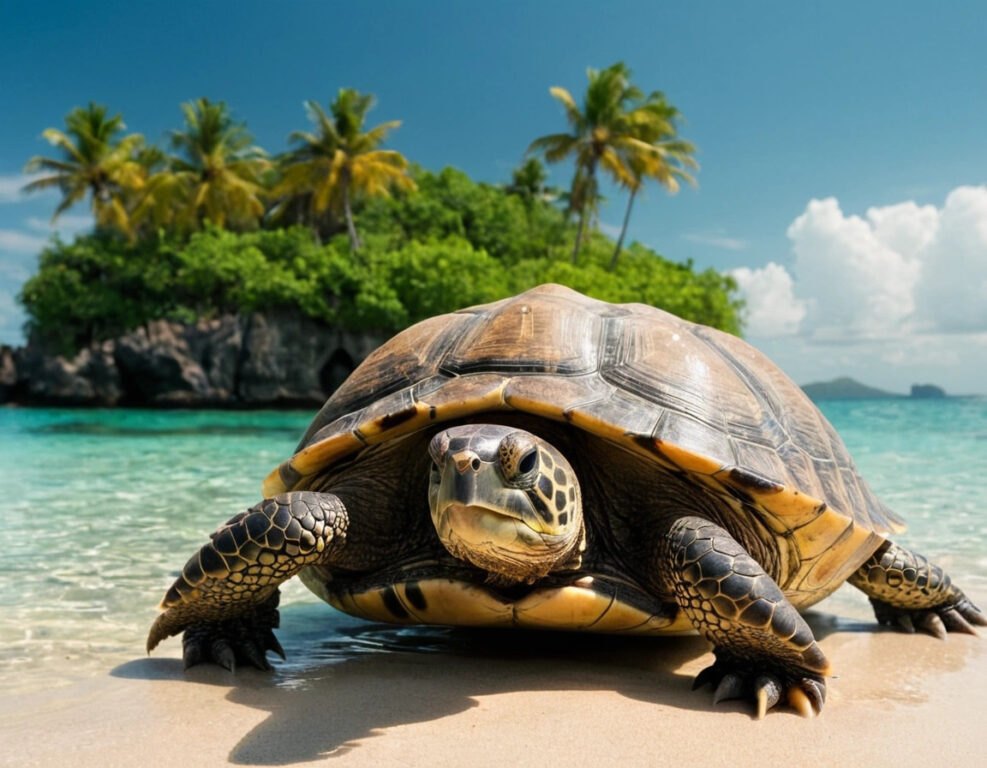
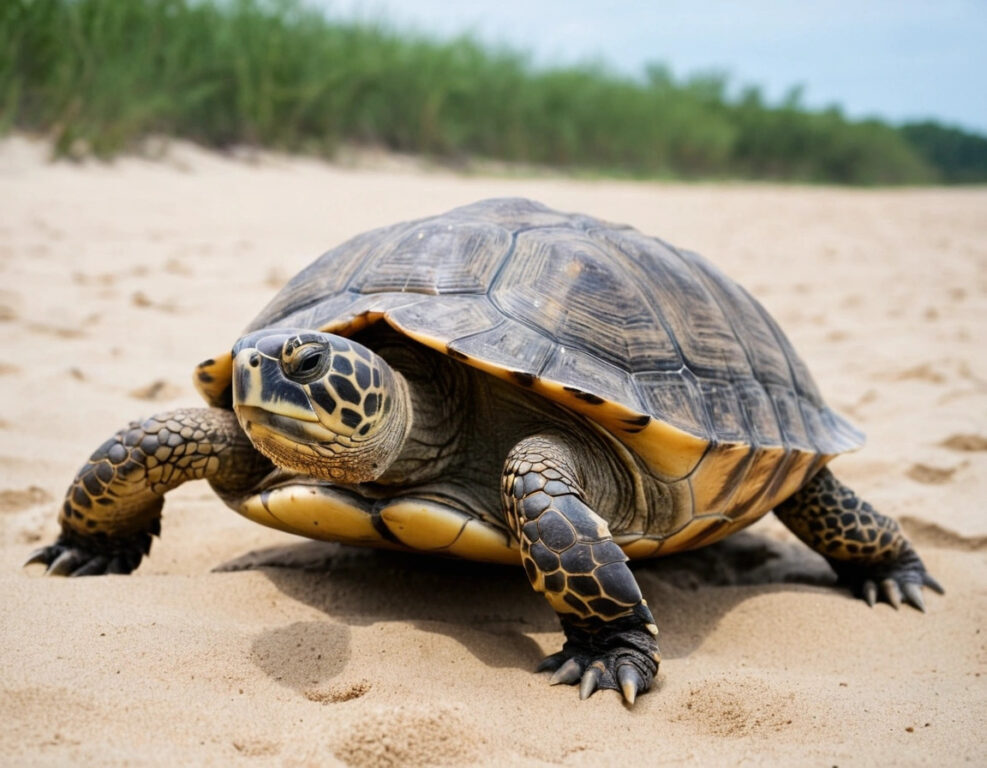
But here’s where it gets interesting. Unlike lizards that can drop their tails or snakes that shed their skin in one piece, turtles have a rigid shell made of bone. The top part is called the carapace, and the bottom is the plastron. This shell isn’t just armor—it’s fused to their spine and ribs. That means a turtle can’t crawl out of its shell, no matter what cartoons told you.
So when someone asks «what type of animal is a turtle,» the accurate answer is: a shelled reptile with a unique body plan that hasn’t changed much since the dinosaurs. That’s not an exaggeration—turtles are often called «living fossils» because their basic design has been so successful.
Land Turtles vs. Sea Turtles: Two Different Worlds
People use «turtle» for everything, but there’s a real difference between land turtles and sea turtles. Land turtles—like the Galapagos tortoise or the box turtle—live on solid ground. They have sturdy, column-like legs for walking on dirt, sand, or rocks. They’re herbivores mostly, munching on grasses, fruits, and leaves. Some species, like the desert tortoise, can go a year without drinking water, getting moisture from the plants they eat.
Sea turtles, on the other hand, are built for the ocean. Their legs are flippers, and they can’t retract their heads. They spend almost their entire lives at sea, coming ashore only to lay eggs. They eat jellyfish, seagrass, and sponges, depending on the species. The leatherback sea turtle, for example, can dive over 3,000 feet deep and swim thousands of miles across oceans.
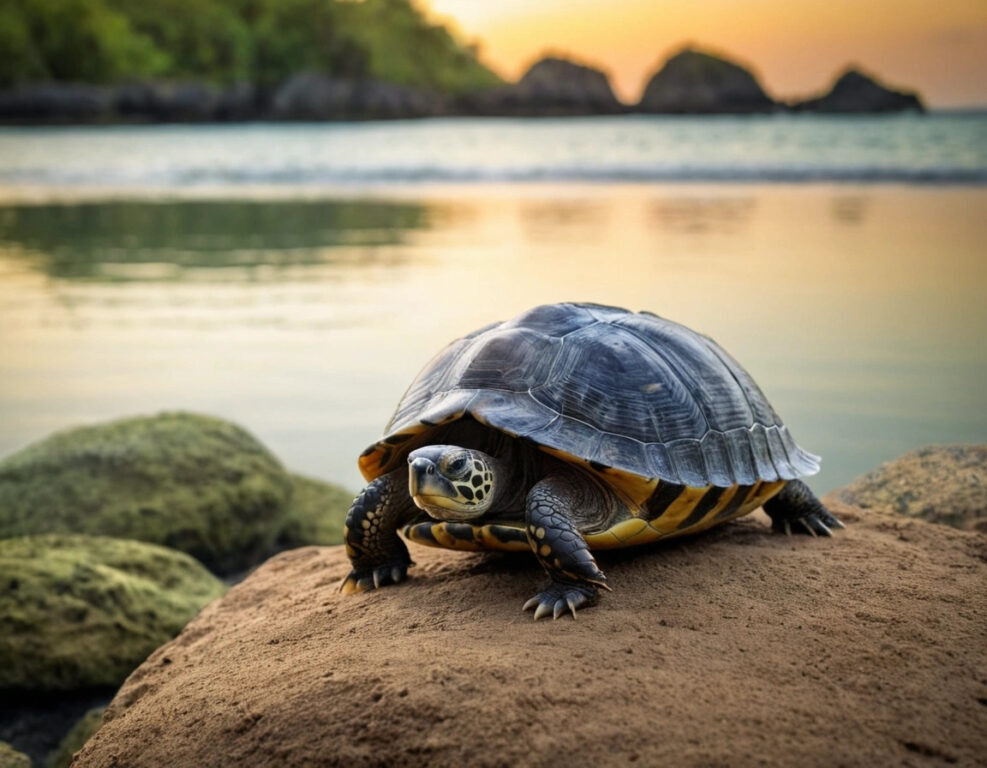
There’s also a middle ground: freshwater turtles, like the red-eared slider. They live in ponds, rivers, and lakes, and they’re the most common pet turtles. So when you hear «turtle,» it could mean any of these three groups. The type of animal a turtle is depends on which one you’re talking about.
The Shell Is a Game-Changer (and a Limitation)
The turtle’s shell is a masterpiece of evolution, but it comes with trade-offs. On one hand, it provides serious protection. A predator can’t easily bite through bone. On the other hand, it makes turtles slow and bulky. They can’t chase prey or escape quickly.
That’s why turtles rely on a low metabolic rate. They can survive for long periods without food, and their heart rate can drop to just a few beats per minute when resting. Some species can hold their breath for hours underwater. This slow-paced lifestyle is why turtles are known for longevity. The Galapagos giant tortoise can live over 100 years, and some individuals have reached 175.
But don’t mistake slow for stupid. Turtles are surprisingly smart when it comes to navigation. Sea turtles can detect Earth’s magnetic field to find their way back to the beach where they were born. That’s a level of precision that puts GPS to shame.
Habitat and Diet: What Keeps Turtles Alive
The habitat of a turtle varies wildly by species. Land turtles thrive in deserts, forests, and grasslands. Sea turtles are found in tropical and subtropical oceans worldwide. Freshwater turtles inhabit wetlands, rivers, and lakes on every continent except Antarctica.
Their diet is just as varied. Land turtles are mostly herbivores, eating plants, berries, and sometimes insects. Sea turtles are omnivores—jellyfish, crabs, and algae are all on the menu. Freshwater turtles are opportunistic feeders, eating fish, insects, and aquatic plants. If you’re keeping a pet turtle, you need to match its diet to its species. Feeding a land tortoise a protein-rich diet can cause serious health problems.
One thing all turtles need is a steady environment. They’re ectothermic, meaning they can’t regulate their body temperature internally. They rely on external heat sources—sunbathing on rocks or warm ocean currents. In captivity, that means you need a proper heat lamp and UVB light. Without it, they can’t absorb calcium, and their shells soften.
Common Confusions: Turtles, Tortoises, and Terrapins
In the U.S., people often call land turtles «tortoises» and sea turtles «turtles.» In the U.K., «turtle» can mean any of them. Scientifically, tortoises are a family (Testudinidae) that lives entirely on land. Turtles include both sea and freshwater species. Terrapins are freshwater turtles, often used for the diamondback terrapin.
So if you’re wondering what type of animal a turtle is, the answer is: a reptile, but with a twist. It’s a Testudine, and that’s a category all its own. Whether it’s a giant tortoise from the Galapagos or a tiny slider from your local pond, they all share that iconic shell and a slow, steady approach to survival.
Next time you see a turtle crossing the road, remember: you’re looking at a creature that’s outlived dinosaurs and adapted to deserts, oceans, and everything in between. That’s not just a reptile—that’s a survivor.