Post actualizado el día octubre 26, 2026 by DeiviSanzPlay
So you found a snail in your garden and you’re wondering what the heck it actually is. An insect? A worm? Nope. The snail is a gastropod mollusk, and that puts it in the same animal group as octopuses, squids, and mussels. Not even close to bugs. This isn’t a technicality; it’s a fundamental biological classification that changes how you understand the animal.
If you’ve ever asked yourself what type of animal is a snail, the answer is blunt: a mollusk. More specifically, a gastropod, which literally means «stomach-foot» because they crawl on a muscular foot located under their body. That’s why they leave those shiny mucus trails. No legs, no exoskeleton, no antennae like insects have.
Snail Classification: Why It’s a Mollusk, Not an Insect
Let’s cut through the confusion. Insects have three pairs of legs, a hard exoskeleton made of chitin, and a segmented body divided into head, thorax, and abdomen. Snails have none of that. They belong to the phylum Mollusca, a massive group that includes everything from tiny clams to giant squid. Within that phylum, snails are in the class Gastropoda, which is actually the second-largest class of animals on Earth after insects.
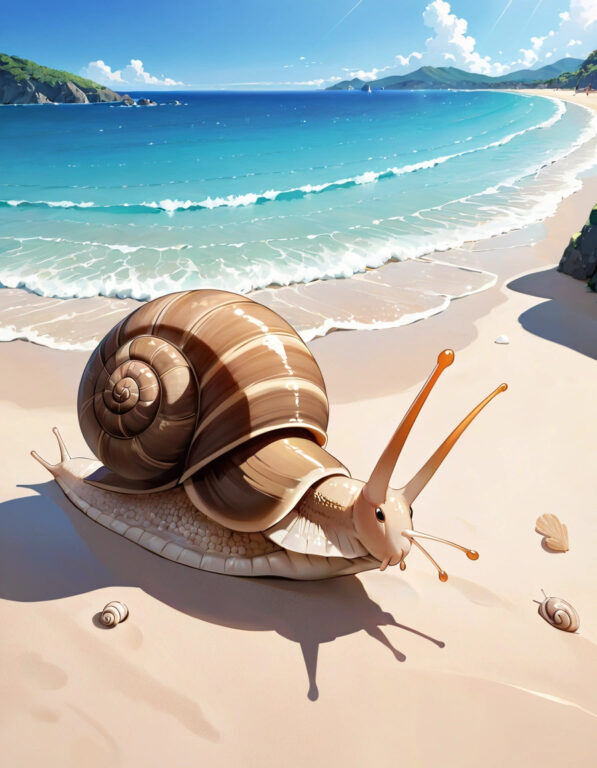
So snail is a mollusk, period. The spiral shell you see? Made of calcium carbonate, the same stuff in eggshells and seashells. It’s a protective fortress they carry around, and when threatened or during dry spells, they retract inside and seal the opening with a mucus plug called an epiphragm. That’s survival engineering.
One thing people mix up: not all gastropods have shells. Slugs are gastropods too, but they lost or reduced their shells over evolution. So if you see a snail without a shell, that’s a slug, but they’re cousins. The shell is the key difference, not the defining feature of the group.
Land Snails vs. Marine Snails: Two Different Worlds
Land snails and marine snails share a common ancestor, but their habitat adaptations are wildly different. Land snails live in gardens, forests, and even deserts. Their shells are lighter because they have to drag them around on land. Marine snails, on the other hand, often have thicker, heavier shells to withstand saltwater pressure and predators like crabs.
Marine snails include some absolute freaks of nature. The cone snail, for example, has a venomous harpoon that can kill a human. No joke. Land snails are mostly harmless, munching on algae, leaves, and decaying matter with a tongue-like structure called a radula. That radula is covered in tiny teeth made of chitin, and it works like a file, scraping food off surfaces.
If you’re into snail habitat specifics, here’s the deal: land snails need moisture. Their bodies are soft and wet, and they can dry out fast. That’s why you see them most active after rain or at night. Marine snails are adapted to constant salinity and water pressure, so their physiology is completely different.
Snail Anatomy: The Radula, the Foot, and the Mucus Trail
Forget legs. Snails move using a single muscular foot that undulates in waves, creating a smooth glide. The mucus they secrete reduces friction and protects their foot from sharp surfaces. That trail isn’t just slime; it’s a chemical highway. Other snails can follow it to find food or mates.
The radula is another feature that separates snails from insects. It’s a ribbon-like structure with rows of tiny teeth. Some snails have thousands of teeth. They use it to scrape algae off rocks, bore into shells, or even harpoon prey (in the case of venomous marine snails). Insects have mandibles, which are completely different.
And then there’s the shell. It grows with the snail, spiraling outward. The shape can be conical, flat, or globular depending on the species. The snail shell is not just armor; it’s a calcium reserve. In low-calcium environments, snails can reabsorb part of their own shell to stay alive. That’s brutal efficiency.
The Snail Life Cycle: From Egg to Adult
Snails are hermaphrodites in many species, meaning each individual has both male and female reproductive organs. They still need a partner to exchange sperm, but after mating, both can lay eggs. That’s a huge reproductive advantage.
The life cycle goes like this: eggs (often laid in moist soil or underwater), then a larval stage in marine species (called a veliger), and finally the adult form. Land snails skip the free-swimming larval stage; they hatch as miniature adults. That’s one reason they’re so successful on land.
Some snails live only a year, others can live up to 10 years in captivity. In the wild, predators, drought, and habitat loss keep lifespans shorter. Birds, beetles, and even other snails eat them. The shell helps, but it’s not invincible.
Common Questions About Snails Answered
Is a snail an insect or a mollusk? Mollusk. No debate. Insects have six legs and three body segments. Snails have a soft body, a muscular foot, and usually a shell. Different phylum entirely.
Do snails have brains? Yes, a simple one. They have ganglia (clusters of nerve cells) that allow them to learn and remember. Studies show they can form memories about food sources and predators.
Can snails breathe air? Land snails have a primitive lung called a pallial cavity. Marine snails use gills. Some freshwater snails come to the surface to breathe, but they’re not built for dry air.
Why do snails come out after rain? Moisture. Their bodies need it to move and breathe. Rain creates perfect conditions for them to forage without drying out.
Why This Matters: Snails in the Ecosystem
Snails aren’t just garden pests or aquarium curiosities. They’re decomposers and food sources. They break down decaying plant matter and recycle nutrients. In marine environments, they’re part of the food web, feeding fish, crabs, and birds.
Some snails are indicators of environmental health. If you see a diverse snail population in a stream or forest, it’s a good sign. If they disappear, something’s off, usually pollution or habitat destruction.
So next time you spot a snail, don’t just call it a bug. It’s a gastropod mollusk, a creature with a 500-million-year evolutionary history. It’s survived mass extinctions, adapted to land and sea, and it’s still crawling around your backyard. Respect the shell.