

Post actualizado el día octubre 26, 2026 by DeiviSanzPlay
Parrots aren’t just pretty feathers and funny voices. If you’ve ever watched a cockatoo unscrew a latch or an African grey mimic your ringtone perfectly, you already know something’s different about these birds. They’re problem-solvers with attitude, and their world is way weirder and more complex than most pet store pamphlets admit.
What Do Parrots Eat? It’s Not Just Seeds
Ask any vet who treats birds and they’ll tell you the same thing: seed-only diets kill parrots slowly. Yes, parrots eat fruits, seeds, and nuts in the wild, but they also munch on flowers, bark, insects, and even clay from riverbanks to neutralize toxins in their food.
In captivity, a balanced parrot diet means pellets as a base, plus fresh veggies like carrots, broccoli, and leafy greens. Nuts and seeds should be treats, not the main course. If you’re feeding your bird nothing but sunflower seeds, you’re basically giving it cheeseburgers every day.
And here’s a detail most owners miss: parrots need variety to avoid boredom. A bird that eats the same thing daily can develop behavioral problems, plucking, and even depression. Rotation matters.
Why Do Parrots Imitate Sounds? The Real Reason
This is the question everyone asks. Why do parrots imitate sounds? It’s not for your entertainment. In the wild, parrots live in flocks, and each flock has a kind of «contact call» — a signature sound that identifies members. Young parrots learn these calls from their parents, and over time they pick up local dialects.
When a parrot mimics your voice or your microwave beep, it’s doing the same thing: trying to fit into its social group. You’re its flock. That’s why a lonely parrot often imitates more — it’s desperate for connection.
Some species, like the African grey, are freakishly good at this. One famous African grey named Alex learned over 100 words and could identify shapes, colors, and quantities. That’s not a trick. That’s cognition.
Where Do Parrots Live? From Rainforests to Your Living Room
Where do parrots live in the wild? Mostly tropical and subtropical regions: South America, Africa, Australia, and parts of Asia. Macaws rule the Amazon basin. Cockatoos dominate Australia. African greys come from the Congo and Ivory Coast.
Their ideal habitat is warm, wooded, and full of fruit trees. They form large flocks, sometimes hundreds of birds, and they’re loud. Really loud. That noise isn’t random — it’s how they keep track of each other across miles of jungle.
In captivity, you can’t replicate a rainforest, but you can get close. A spacious cage, daily out-of-cage time, and mental puzzles go a long way. Parrots that stay locked up 24/7 turn into feather-plucking, screaming messes.
How Long Does a Parrot Live? Longer Than Your Dog, Easier
If you’re wondering how long does a parrot live in captivity, brace yourself. Small species like budgerigars live 5 to 10 years. Medium ones like African greys hit 40 to 60. And macaws? They can push 70 or even 80 years with good care.
That means adopting a macaw is a multi-decade commitment. It might outlive you. Seriously. Parrots are often rehomed multiple times because owners didn’t plan for a bird that lives as long as a human.
So before you buy one, ask yourself: can you handle a feathered roommate for the next 50 years? If not, get a canary.
How to Care for a Parrot Without Losing Your Mind
Caring for a parrot properly is part patience, part creativity. They need exercise, mental stimulation, and social interaction daily. A bored parrot is a destructive parrot.
- Space: Get the biggest cage you can afford. Width matters more than height.
- Toys: Rotate them weekly. Foraging toys are gold.
- Diet: Pellets, veggies, limited fruit, occasional nuts.
- Social time: At least 2 hours out of the cage daily.
- Sleep: 10–12 hours of dark, quiet sleep.
Skip any of these and you’ll get a screaming, biting, feather-plucking bird. And no, that’s not «just how parrots are.» That’s a parrot in distress.
Best Parrot Species for Beginners (and the Ones to Avoid)
Not all parrots are created equal. Some are forgiving; others will test your sanity.
Good starters: Budgerigars, cockatiels, green-cheeked conures. They’re smaller, quieter, and more tolerant of mistakes.
Not for beginners: Macaws, cockatoos, and African greys. These birds are brilliant, loud, and emotionally demanding. A cockatoo can scream loud enough to wake your neighbors three houses down.
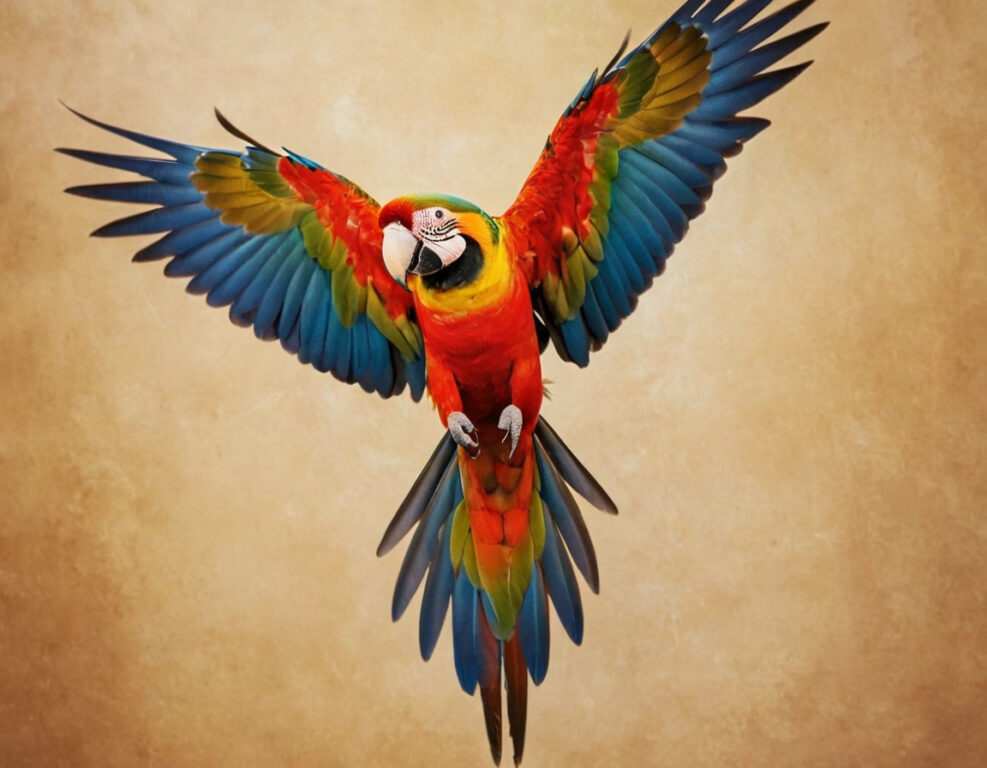
The African grey parrot is famous for its imitation skills, but it’s also prone to anxiety and feather plucking if ignored. The macaw brings stunning colors and a personality the size of a toddler’s tantrum.
Parrot Intelligence: Smarter Than You Think
Parrots can solve puzzles, understand cause and effect, and even grasp concepts like «same» and «different.» Some studies suggest their cognitive abilities rival those of a 5-year-old child.
That’s why zoos and researchers use parrots in cognition experiments. They can count, recognize shapes, and even use tools. A Goffin’s cockatoo once figured out how to make and use a tool to reach food — something only a handful of animals can do.
This intelligence is a double-edged sword. A smart parrot needs a smart owner. If you don’t challenge its brain, it will find its own challenges — like dismantling your furniture.
The Bottom Line on Parrot Ownership
Parrots aren’t decorations. They’re loud, messy, emotionally complex animals that demand time, money, and commitment. But if you’re up for it, the bond you build with a parrot is unlike anything else.
They’ll learn your routines, greet you when you come home, and yes, imitate your laugh. That’s not just cute — it’s a sign you’ve earned their trust.
So before you bring one home, do the homework. Learn about their diet, their lifespan, their noise level, and their social needs. The world of parrots is amazing, but it’s not for everyone. Choose wisely.
