

Post actualizado el día octubre 26, 2026 by DeiviSanzPlay
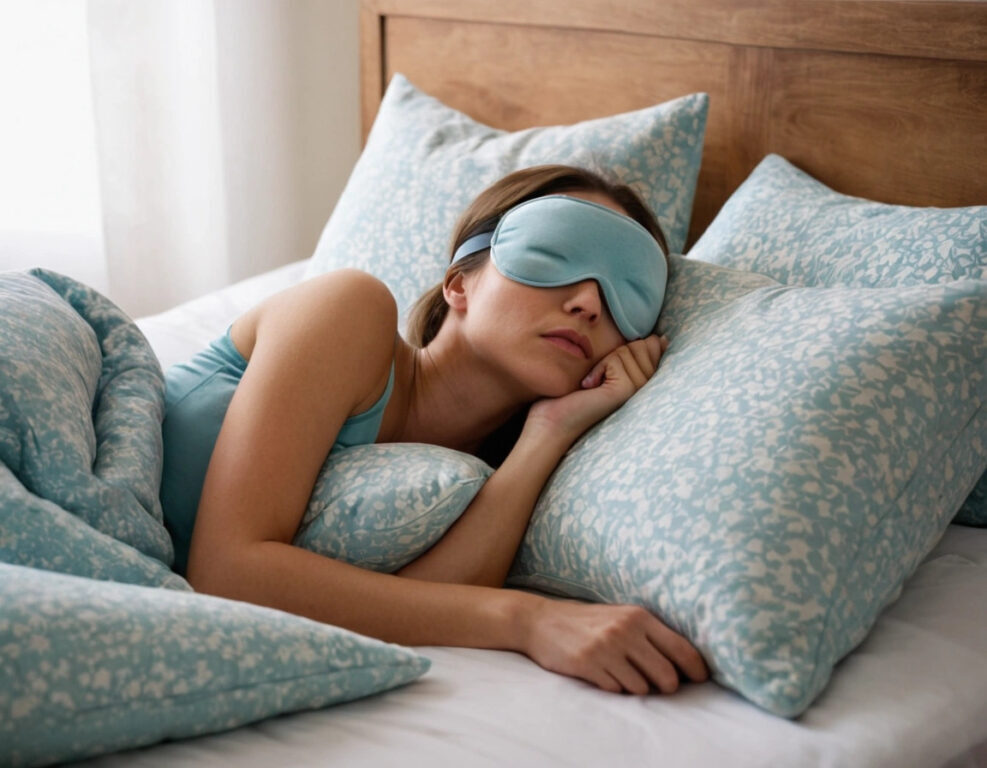
Let’s cut the crap: a sleep mask isn’t magic, but it’s not a gimmick either. I’ve tested this myself and read enough studies to know that blocking light can genuinely change how you sleep. But only if you understand what it does and what it doesn’t.
Why a Sleep Mask Actually Works (And When It Doesn’t)
The core of the sleep mask benefits is simple: your brain needs darkness to release melatonin, the hormone that tells your body it’s time to shut down. Even a sliver of light from a streetlamp or a charging LED can mess with that process. A mask blocks it. That’s the whole trick.
But here’s the nuance: if your bedroom is already pitch black, a mask won’t do much. It’s not a sedative. It’s a light blocker. If you live in a city, travel a lot, or work night shifts, that difference is huge.
Does Sleeping With a Sleep Mask Improve Sleep Quality?
Yes, but not for everyone. Studies — like one from the Journal of Sleep Research — show that participants who wore masks during a high-altitude trek had better sleep quality and faster reaction times. Another study on ICU patients found similar results. The mechanism is straightforward: total darkness equals deeper slow-wave sleep.
That said, if you’re a light sleeper who wakes up because the mask feels tight or hot, you’ll trade one problem for another. The sleep mask is a tool, not a cure. Fit and material matter more than most people admit.
Sleep Mask Advantages and Disadvantages: The Real List
Let’s skip the fluffy stuff. Here’s what you actually get:
- Advantages: Blocks light, boosts melatonin, helps with jet lag, cheap, portable, no side effects for most.
- Disadvantages: Can cause sweating, pressure on eyes, skin irritation, and won’t fix insomnia caused by stress or anxiety.
So if you’re dealing with racing thoughts at 3 a.m., a mask won’t silence them. But if your neighbor’s porch light is the culprit, it’s a game-changer.
Is It Healthy to Sleep With a Sleep Mask Every Night?
Short answer: yes, for most people. There’s no evidence that wearing a sleep mask nightly is harmful. Your eyes are closed anyway; the mask just adds an extra layer of darkness.
However, if you have glaucoma, dry eye, or skin conditions like eczema, talk to a doctor first. The pressure or trapped moisture could aggravate those issues. And if you wake up with headaches, your mask is probably too tight.
How to Pick a Sleep Mask That Won’t Ruin Your Sleep
Don’t buy the cheapest one on Amazon. Look for these features:
- Adjustable strap: Velcro or elastic that doesn’t dig into your head.
- Contoured shape: Leaves space for your eyes, so no pressure on the eyeballs.
- Breathable fabric: Silk, bamboo, or moisture-wicking synthetics. Cotton can get swampy.
- Total blackout: If light leaks around the nose, it’s useless.
I personally prefer a contoured silk mask. It stays cool and doesn’t leave marks. But if you sleep hot, go for a mesh or athletic fabric.
Sleep Mask for Insomnia: Does It Help?
If your insomnia is triggered by light — like early sunrise in summer or a partner reading — a mask can help you fall back asleep. It won’t cure chronic insomnia, but it removes one obstacle.
Combine it with other sleep hygiene habits: consistent bedtime, no screens an hour before bed, and a cool room. The mask is the cherry on top, not the whole sundae.
Can a Sleep Mask Be Bad for Your Eyes?
Only if it’s dirty or too tight. Wash it weekly to avoid bacteria buildup that can cause styes or conjunctivitis. And if you wear contacts, take them out first. Sleeping in contacts plus a mask is a recipe for irritation.
Also, if you have sleep apnea or use a CPAP, make sure the mask straps don’t interfere with your headgear. A little planning goes a long way.
The Verdict: Sleep Mask Yes or No?
For most people, a sleep mask is a low-risk, high-reward addition to their nighttime routine. It’s not a miracle worker, but it can improve sleep quality, especially if you’re sensitive to light.
If you’ve tried everything else and still wake up groggy, give it a shot. But don’t expect it to fix a bad mattress, a noisy neighbor, or a stressful job. It’s one piece of the puzzle — and a damn useful one at that.


