

Post actualizado el día September 27, 2026 by DeiviSanzPlay
Vehicles electric battery-powered (Battery Electric Vehicles, BEV) represent a disruptive paradigm in sustainable mobility, offering significant advantages in reducing direct emissions. However, mass adoption faces multiple technical, economic, and environmental challenges that must be thoroughly evaluated for informed decision-making by stakeholders, manufacturers, and end users.
I recommend checking out this interesting article: How I can set up my Smart TV device with Google.
Limitations in Range and Charging Architecture
The energy density of lithium-ion batteries, the main current technology, imposes an intrinsic limit on operational range, with typical ranges between 250 and 500 km under the WLTP cycle, significantly lower than internal combustion engine (ICE) vehicles. This restriction generates what the literature calls “range anxiety,” which impacts the user experience on long-distance routes.
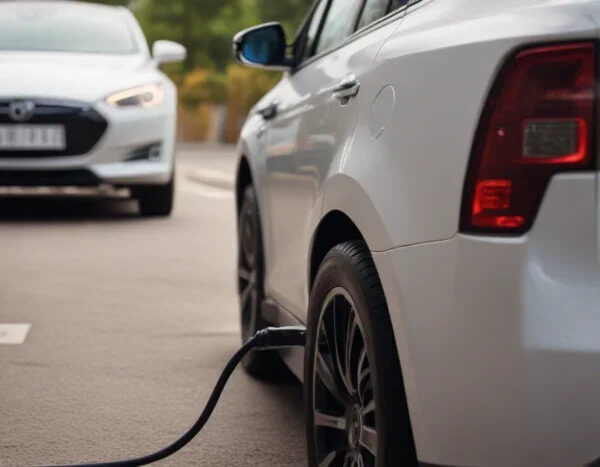
Additionally, the <a href="https://www.chusmeando.com/preguntas-y-respuestas/como-descargar-y-consultar-tu-recibo-de-luz-de-manera-rapida-y-segura/" title="Cómo cargar y verificar tu factura de electricidad de forma rápida y segura”>charging infrastructure (EVSE – Electric Vehicle Supply Equipment) has limited coverage, particularly in peri-urban and rural areas, where the scarcity of fast charging (DC Fast Charging) and semi-fast charging (AC Level 2) points limits operational viability. The standardization of charging protocols and interoperability between networks is still a pending challenge for the industry.
Charging Cycles and Time Efficiency
The charging process for BEV batteries has a significantly longer recharging time than traditional refueling with liquid fuels. Fast charging cycles can range between 20 and 60 minutes to reach 80% capacity, depending on the battery’s thermal management system (Battery Thermal Management System – BTMS) and the charger’s maximum power (e.g., 50 kW to 350 kW). This time latency is a limiting factor for applications with high frequency of use or in transport logistics.
Initial Costs and Electrochemical Degradation
The CAPEX (Capital Expenditure) associated with electric vehicles is high due to the cost of the energy storage system, which represents up to 40% of the final price. Although operating costs (OPEX) are reduced due to lower maintenance and energy consumption, the initial economic barrier persists for price-sensitive market segments.
The electrochemical degradation of batteries, resulting from charge/discharge cycles, calendar aging, and environmental factors, progressively reduces useful capacity (State of Health – SoH), directly impacting the range and energy efficiency of the BEV. Replacing modules or complete packs can involve significant costs and complex logistical considerations.
Environmental Impact in the Energy Value Chain and Critical Materials
While BEVs eliminate tailpipe emissions, the life cycle assessment (LCA – Life Cycle Assessment) reveals that the carbon footprint associated with electricity generation depends heavily on the regional energy mix. Fossil sources such as coal and natural gas increase indirect GHG (Greenhouse Gas) emissions.
Furthermore, the extraction and processing of strategic materials —lithium, cobalt, nickel— involve relevant environmental and social impacts, including deforestation, water pollution, and ethical issues related to mining in vulnerable regions. The sustainability of raw material supply requires responsible mining protocols and a circular economy.
Challenges in Maintenance, Safety, and Emergency Management
Technical specialization for BEV maintenance is a bottleneck in the after-sales value chain. The lack of training in conventional workshops and the need for specific equipment for high-voltage electrical systems (HV systems) hinder operability and raise costs.
In terms of safety, the risks associated with lithium battery fires, due to unstable thermal phenomena (thermal runaway), demand specialized protocols for mitigation and rescue, as they present a higher danger than traditional fuels and require specific extinguishing procedures.
Final Considerations on Carbon Footprint and Life Cycle
The manufacturing and assembly of BEVs, especially in battery pack production, generates a considerable initial carbon footprint. The comprehensive evaluation must consider the offsetting of emissions throughout operational use, with the recycling and reuse of cells being crucial to optimize life cycle sustainability.
To delve deeper into the analysis of the technical, economic, and environmental limitations of electric vehicles, it is recommended to consult specialized literature in automotive engineering, renewable energy, and LCA studies, as well as sector reports from regulatory bodies and manufacturers.