Post actualizado el día October 25, 2026 by DeiviSanzPlay
If you’ve ever tried to learn the names of birds you see in the park or in the mountains, you’ll know it’s not as easy as it seems. There are more than 11,000 species described across the planet, according to data from BirdLife International, and every year a couple of new ones are added. So when someone comes out with “birds are all the same,” it’s clear they’ve never looked at a hummingbird up close.
Here I’m not going to give you a boring list from Wikipedia. I’m going to tell you what makes each group special, with specific names so you can identify them and surprise whoever is next to you on your next trip to the countryside.
Why common bird names hide stories no one tells you
The house sparrow, the blackbird, the rock dove… these are the bird names we learn as children. But behind each one there’s a behavior that will blow your mind. The blackbird, for example, is one of the few birds that sings in the middle of winter in Spanish cities. It does so to mark territory when food is scarce. It’s not romanticism, it’s pure strategy.
Another case: the magpie. Many people hate it because it eats the eggs of other birds, but recent studies show that it is one of the few species that passes the mirror test, that is, it recognizes itself. That puts it at the cognitive level of dolphins and chimpanzees. I’ll just leave that there.
- House sparrow: the most adapted to humans, but in decline in Europe since 1980.
- Common blackbird: melodious song, territorial even in January.
- Magpie: primate intelligence with feathers.
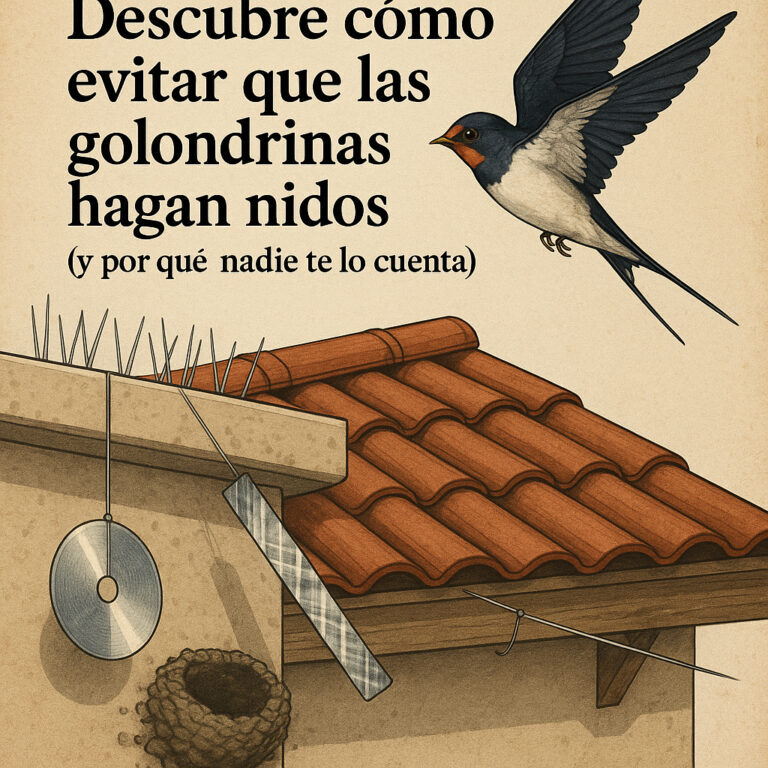
- Barn swallow: migrates up to 10,000 km every year.
Birds of prey: the names that command respect just by reading them
When we talk about birds of prey, people think of eagles and falcons. Fine, but there are names you don’t expect. The lesser kestrel, for example, is a small falcon that in Spain almost always nests in churches and castles. Its name comes from “first” because it arrived before other migratory birds. It’s not a legend, it’s documented in medieval texts.
And watch out for the bearded vulture. Its name isn’t marketing: it literally breaks bones. It drops them from a height against rocks to eat the marrow. It is the only vertebrate that feeds almost exclusively on bones. It lives in the Pyrenees and is listed as endangered in Spain.
“The bearded vulture doesn’t hunt: it recycles. It is the most specialized scavenger in the world.”
Other bird of prey names that deserve a mention: the goshawk, the sparrowhawk, the common buzzard and the red kite. The latter has lost more than 50% of its population in Spain in the last two decades. It’s not alarmism, it’s data from SEO/BirdLife.
Tropical and exotic birds: names that sound made up
If we talk about tropical birds, the level goes up. The resplendent quetzal, for example, was sacred to the Mayans. Its name comes from the Nahuatl “quetzalli,” which means precious feather. Today it lives in cloud forests of Central America and is threatened by deforestation.
Another name that sounds like science fiction: the bird of paradise. There are 45 recognized species, almost all in New Guinea. The males put on displays so exaggerated that they look like music video choreography. Some females choose a mate only if the dance convinces them. Literally.
And I haven’t forgotten the toco toucan, with that beak that looks like a carnival accessory. It measures up to 20 cm, but weighs less than a large feather. It’s full of air cavities. Evolution doesn’t do things at random.
Colorful bird names you don’t expect
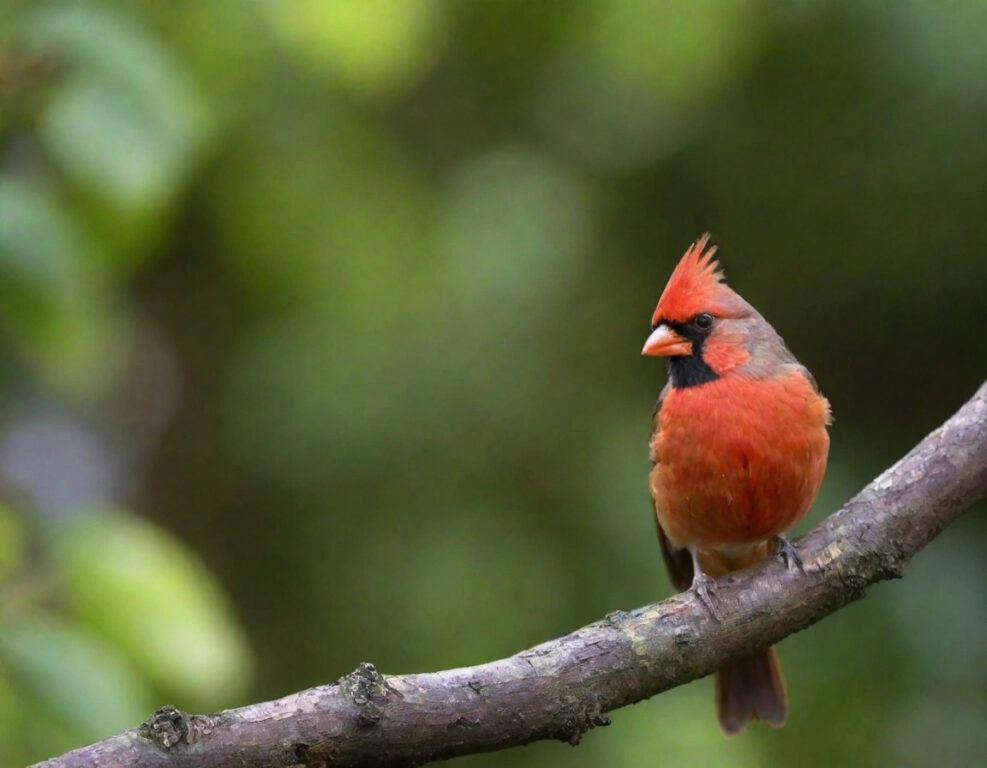
- Northern cardinal: lives in North America, the male is intense red.
- Helmeted guineafowl: African origin, speckled plumage.
- African grey parrot: the best mimic in the animal kingdom.
- Kingfisher: electric blue, fishes by diving.
- Hoopoe: deployable crest, smells bad on purpose to ward off predators.
Migratory birds: the names that cross continents every year
Migratory birds are another level. The Arctic tern, for example, travels about 70,000 km a year between the Arctic and Antarctica. It is the animal with the longest documented migration. Its scientific name, Sterna paradisaea, says it all.
The white stork is another classic. In Spain many people believe it always leaves for Africa, but since the 1990s many stay all year round. Climate change and landfills have given them plenty of food. It’s not theory, it’s what ornithologists see in the field.
And then there’s the nightingale. Its name comes from “nightingale” because it sings at night. It’s not that it sings better than others, it’s that it does so when there is silence. That makes it the most famous songbird in Europe. Its population has fallen by 30% in 25 years.
Rare and endangered birds: names that might disappear
To talk about rare birds is to talk about species on the edge. The northern bald ibis, for example, was extinct in Europe until a project in Cádiz managed to reintroduce it. Today there are about 200 birds in the wild. It’s not much, but it’s a miracle.
The New Zealand kakapo is another case. It is a parrot that doesn’t fly, weighs up to 4 kg and only breeds every 2-4 years. Fewer than 250 individuals remain. Its name means “night parrot” in Maori. Conservation there is a race against time.
And let’s not forget the slender-billed curlew. Its downward-curved beak looks like an invention, but it serves to pull worms out of the sand. It is critically endangered. Fewer than 30 pairs remain in Spain. Every time I see one in a marsh, I stand still.
Songbird names: the sound that defines a landscape
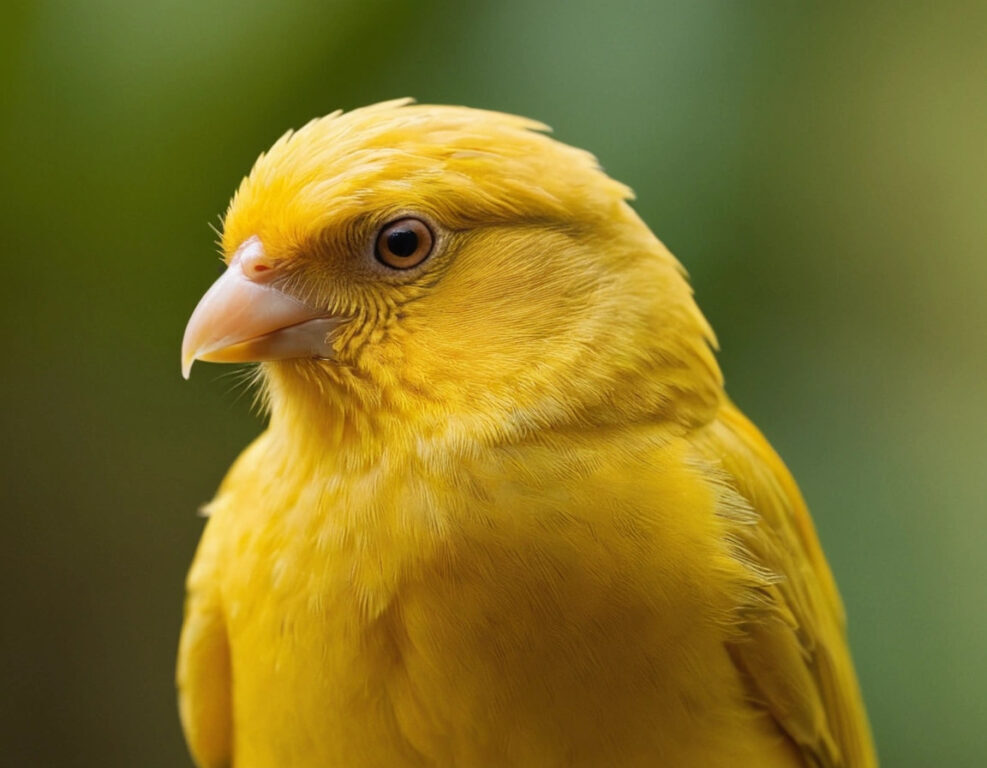
Songbirds make up 60% of all species. Their technical name is “passerines.” This includes everything from the goldfinch to the canary. The European goldfinch, for example, has such a complex song that competitions are held in some countries. I’m not exaggerating.
The nightingale, the blackbird, the robin, the wren… Each one has a different repertoire. The wren, for example, is tiny but its song sounds like a machine gun. It is the smallest bird in Europe. It weighs 10 grams.
A fact few people know: birds are not born knowing how to sing. They learn from their parents. If a chick grows up isolated, it develops a defective song. It’s culture, not pure instinct. That was demonstrated by Peter Marler in the 1970s.
Bird names from around the world you should know if you like ornithology
Beyond common names, there are birds of the world that are legend. The Andean condor, with a 3.3-meter wingspan, is the largest flying bird. It lives in the Andes and is threatened by poison.
The wandering albatross is another. It spends years without touching land. It sleeps in the air. Its scientific name, Diomedea exulans, is a tribute to the warriors of Greek mythology. Not bad for a bird.
And the great white pelican, with that pouch that looks like a basket. It doesn’t store food, it only uses it to fish. Its name comes from the Greek “pelekan,” which means axe. Because of the beak, of course.
In the end, learning bird names isn’t about collecting labels. It’s about understanding how an ecosystem works. Each name is an adaptation, a strategy, a story. And if you ever get lost among so many, remember: you don’t need to know them all. By recognizing ten, you already see the world differently.