

Post actualizado el día September 27, 2026 by DeiviSanzPlay
The world of nutrition is constantly evolving, and by 2026, the conversation about proteins has taken a significant turn. It is no longer just about counting grams to build muscle. The current trend, backed by experts, integrates protein within a more holistic framework: natural, nutritious, and sustainable sources are sought that offer a complete amino acid profile alongside other functional benefits. Fiber, for example, emerges as the indispensable companion to quality protein, promoting gut health that is essential for absorbing all those nutrients.
This article dives beyond generic lists. We analyze seven exceptional protein foods, dissecting their key differences, their comprehensive benefits, and the smart way to incorporate them into modern dietary plans. Nutritional optimization in 2026 goes hand in hand with environmental awareness and nutrient density, principles that guide this selection. Understanding the “why” behind each choice will allow you to make powerful and personalized food decisions.
The information you will find here synthesizes current knowledge, including daily intake recommendations and the crucial distinction between animal and plant sources. We will provide you with the tools to not only reach your protein goals, but to do so in a way that supports your long-term health, your performance, and the well-being of the planet. The focus has shifted from isolated quantity to quality integrated into a diverse diet.
The Protein Landscape in 2026: Beyond the Gram
Adequate protein consumption remains essential. This macronutrient is vital for repairing cells, producing enzymes and hormones, and strengthening the immune system. For healthy adults, it is recommended that between 10% and 35% of daily calories come from protein. However, specific needs vary: a sedentary person may require around 0.8 grams per kilogram of weight, while an athlete seeking to gain muscle mass may need between 1.6 and 2.2 grams per kilogram.
Innovation in 2026 is not limited to supplements. We observe a strong trend toward “whole foods” and enriched plant-based beverages that prioritize protein density and texture. Leading brands are launching products that offer up to 13 grams of complete protein per serving, competing directly with cow’s milk. This movement responds to a demand for nutritious, versatile, plant-based products that do not sacrifice flavor or functionality, especially in contexts such as coffee.
At the same time, we are witnessing a resurgence of traditional sources such as soy, driven by its complete nutritional profile. Informed consumers no longer choose a food solely for its protein content. They evaluate its contribution of fiber, healthy fats, environmental impact, and how it fits into their culinary routine. This guide is designed to navigate that new and complex landscape with clarity and confidence.
1. Lentils: The Versatile Plant-Based Powerhouse
Lentils are a true nutritional workhorse and one of the most widely consumed legumes globally. They offer approximately 27.5 grams of protein per 100 grams in their dry state, a truly remarkable figure for a plant food. Their versatility in the kitchen is immense, from soups and stews to vegan burgers and cold salads. This staple food demonstrates that economical and sustainable protein can be delicious and tremendously satisfying.
Their benefit transcends protein. Lentils are rich in iron, folate, and dietary fiber. This fiber is key for digestive health, prolonged satiety, and regulating blood sugar levels. Combining lentils with a whole grain, such as rice, creates a complete protein that provides all essential amino acids. This nutritional synergy is a fundamental pillar of plant-based diets and a smart strategy for any eater.
Integrating them into your weekly plan is simple. Prepare a large batch of cooked lentils and store them in the refrigerator to quickly add them to salads or stir-fries. You can make a power bowl with lentils, quinoa, and roasted vegetables for a complete lunch. You can even blend them to create a pâté or a base for vegetable meatballs. Their neutral flavor beautifully absorbs spices and herbs, adapting to any palate.
2. Chicken Breast: The Lean Reference Standard
Chicken breast remains an undisputed reference in the world of lean animal proteins. It provides approximately 22 grams of high-quality protein per 100 grams, with a notably low fat content. Its protein is complete, containing the nine essential amino acids in optimal proportions for muscle synthesis and tissue repair. For many athletes and people focused on body composition, it is a reliable and efficient source.
The benefits of chicken breast go beyond its amino acids. It is an excellent source of vitamin B3 (niacin), essential for the proper functioning of the circulatory system and energy metabolism. It also provides minerals such as selenium and phosphorus. Its great practical advantage is its neutrality: it serves as a perfect canvas for an infinite number of culinary preparations, from the simplest grilled dish to sophisticated stews.
For a balanced dietary plan, prioritize healthy cooking methods such as baking, grilling, or boiling. A grilled chicken breast with spices and a side of steamed vegetables is a classic for a reason. You can shred it to add to salads, wraps, or soups, easily increasing the protein content of any meal. The key lies in the variety of seasonings to avoid monotony in your weekly menu.
3. Wild Salmon: Protein with a Plus of Essential Fats
Salmon represents the category of marine protein rich in beneficial unsaturated fats. It provides around 20.6 grams of complete protein per 100 grams. Its true nutritional differentiator lies in its abundant content of omega-3 fatty acids, specifically EPA and DHA. These compounds are crucial for cardiovascular, brain, and anti-inflammatory health, offering an enviable lipid profile.
Consuming salmon regularly is an investment in overall health. Omega-3s help lower triglyceride and plasma cholesterol levels, supporting heart function. It is also a natural source of vitamin D, a nutrient that many people are deficient in and that is vital for bone health and the immune system. Choosing wild salmon can offer an even more favorable nutritional profile compared to farmed salmon.
Incorporate it into your meal plan strategically. A grilled or oven-baked salmon fillet with lemon and dill is a quick and nutritious dinner. The cold leftovers are perfect for flaking over a hearty green salad the next day. For a protein-rich breakfast or brunch, try scrambled eggs with pieces of smoked salmon. Its distinctive flavor allows for minimalist preparations that highlight its quality.
4. Almonds: The Nutrient Powerhouse in Nut Form
Almonds are a paradigmatic example of nutrient density. They provide about 21 grams of plant protein per 100 grams, along with a unique matrix of healthy fats, fiber, and micronutrients. Although their protein is not complete on its own, consuming them within a varied diet contributes significantly to total amino acid intake. They are the ideal snack or complement for sustained energy.
Their benefits are extensive. Almonds are rich in vitamin E, a powerful antioxidant that protects cells from oxidative damage. They also provide magnesium, important for muscle and nerve function, and monounsaturated, heart-healthy fats. Their fiber content promotes satiety, helping with appetite and weight control. A handful a day is a smart addition to any eating pattern.
Integrating them is extremely easy and versatile. You can chop them and sprinkle them over yogurt, oatmeal, or salads to add crunch and protein. Natural almond butter is an excellent spread for toast or for enriching smoothies. You can even use them ground as a base for cake batters or to bread chicken or fish fillets, adding a nutritious and delicious touch to your usual recipes.
5. Eggs: Bioavailable and Affordable Excellence
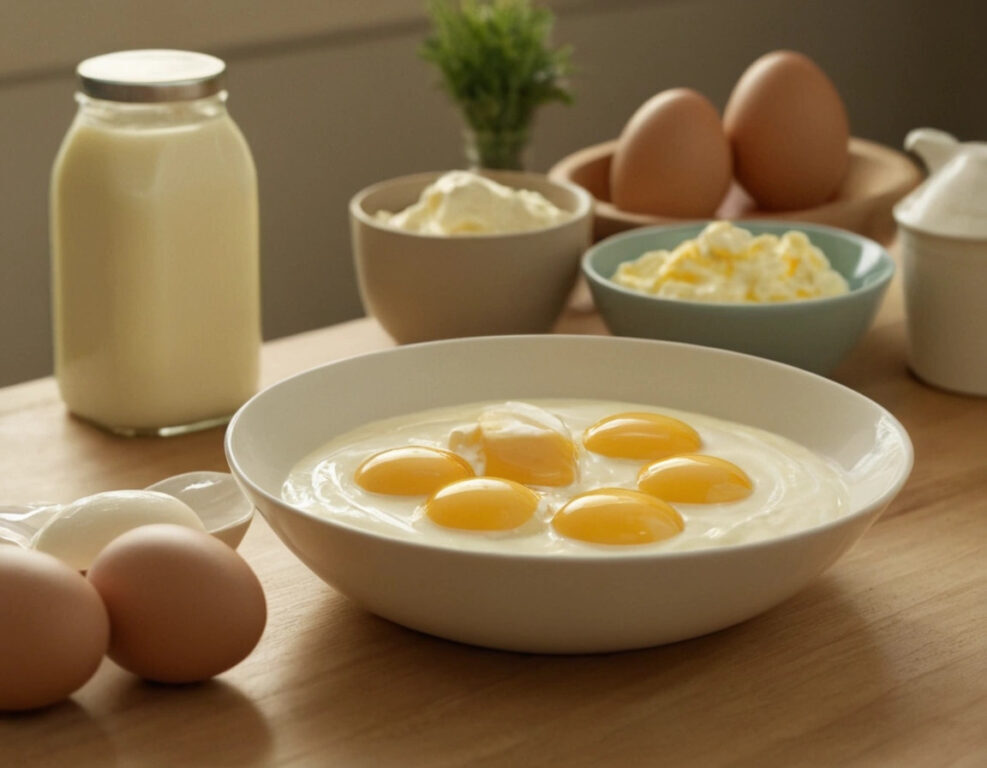
Eggs are considered the reference protein due to their excellent amino acid profile and high bioavailability. A large egg provides approximately 6 grams of the highest-quality protein, distributed between the white (rich in albumin) and the yolk (full of vitamins and fats). They are an accessible, economical, and extraordinarily versatile food, suitable for any meal of the day. Their nutritional value keeps them an irreplaceable staple.
The yolk, often unfairly feared, concentrates essential fat-soluble nutrients: vitamins A, D, E, K, choline, and antioxidants such as lutein. The white is practically pure protein and water. Together, they form a synergistic nutritional package that contributes to muscle, brain, and eye health. Current research vindicates their regular consumption within a balanced diet, debunking old fears about cholesterol.
They are the perfect solution for quick meals. Some scrambled eggs with spinach for breakfast, an omelet filled with vegetables for dinner, or a poached egg over a bowl of brown rice and avocado. Hard-boiled eggs are the portable protein snack or complement par excellence. Their ability to thicken, bind, and provide structure also makes them a fundamental culinary ingredient beyond their role as a main dish.
6. Tofu (Whole Soybean): The Complete and Versatile Plant Protein
Tofu, made from soy milk, is one of the few plant proteins considered complete, as it contains all nine essential amino acids. In its firm form, it can provide around 10 grams of protein per 100 grams, although there are pressed varieties with even higher content. By 2026, tofu made with whole soybean (whole soybean) is gaining prominence for preserving more nutrients and offering a superior texture.
Soy and its derivatives such as tofu are rich in isoflavones, bioactive compounds with potential benefits for hormonal and cardiovascular health. It is a food low in saturated fat and cholesterol-free, making it a cornerstone in plant-based diets. Its neutral flavor and spongy texture allow it to absorb marinades and flavors, becoming a masterful meat substitute in numerous recipes.
The key to enjoying it lies in its preparation. Pressing it to remove excess water and then marinating it for at least 30 minutes enhances its flavor. It can be sautéed until golden, baked to achieve a crispy crust, or crumbled to simulate a texture similar to ground meat in pasta sauces or fillings. From an Asian-style stir-fry to a tofu “scramble” for breakfast, its applications are almost unlimited and very satisfying.
7. Chickpeas: The Fiber That Accompanies Protein
Chickpeas perfectly embody the 2026 trend that unites protein and fiber. They provide about 21 grams of plant protein per 100 grams dry, along with an exceptional amount of dietary fiber. This combination is ideal for satiety, digestive health, and glycemic regulation. They are a fundamental legume that sustains healthy and sustainable diets worldwide.
Their nutritional profile is impressive. In addition to protein and fiber, they are rich in iron, magnesium, folate, and potassium. Regular consumption of chickpeas and other legumes is associated with a lower risk of chronic diseases. Their versatility is legendary: they are the base of hummus, falafel, hearty stews, and fresh salads. Even the water from their cooking (aquafaba) can be whipped like egg whites.
Including them in your diet is simple and delicious. A homemade hummus with olive oil is a perfect dip or spread. Oven-roasted chickpeas with spices are a crunchy and satisfying snack. Add them to curries, stews, or a grain “bowl” with roasted vegetables for a complete meal. Their mild flavor and buttery texture make them pleasant for almost all palates, facilitating their regular adoption.
Comparison Table: Smart Choice of Your Protein Source
This table goes beyond grams of protein. It compares the seven foods across key dimensions for 2026: protein density, complementary contributions (such as fiber or healthy fats), sustainability, and culinary versatility. It will help you choose according to your current goals, whether it’s muscle recovery, weight control, or simply enjoying a nutritious and tasty meal.
| Food (per 100g) | Approx. Protein | Star Complementary Benefit | Relative Sustainability | Idea to Integrate in 2026 |
|---|---|---|---|---|
| Lentils (dry) | 27.5 g | High in fiber and iron. Ideal for digestive health and prolonged satiety. | Very High. Low water and carbon footprint. | Lentil burgers with quinoa and beetroot. |
| Chicken Breast | 22 g | Complete protein with high bioavailability. Optimal for muscle synthesis. | Medium. Depends on farming. Choose sustainable origin. | Grilled skewers with peppers and onion. |
| Wild Salmon | 20.6 g | Rich in Omega-3 (EPA/DHA). Essential for brain and heart. | Medium/Low. Prioritize certified sustainable fishing. | Salmon tartare with avocado and seaweed. |
| Almonds | 21 g | Healthy fats and Vitamin E. Antioxidant and sustained energy. | Medium. High water consumption. Look for efficient crops. | Homemade almond “milk” for coffees. |
| Eggs | 13 g (2 units) | Choline and lutein in the yolk. Support for brain and visual function. | High (in free-range hen systems). | Egg white omelette with spinach and mushrooms. |
| Firm Tofu | 10-17 g | Complete plant protein with isoflavones. | Very High (especially non-GMO soy). | Baked tofu “bites” with peanut sauce. |
| Chickpeas (dry) | 21 g | Leading combination of protein + fiber. Regulates blood sugar. | Very High. They fix nitrogen in the soil. | Roasted chickpea, sweet potato and tahini “bowl.” |
Practical Planning: Integrating Proteins into Your Daily Life
A modern approach for 2026 recommends distributing protein throughout the day, rather than concentrating it in a single meal. Aim to include a quality source in each main meal. This maximizes muscle synthesis, maintains satiety, and stabilizes energy levels. A protein-rich breakfast, for example, can prevent mid-morning hunger spikes and improve concentration.
For a sample day based on a 2000-calorie diet, you could structure it as follows: Breakfast: High-protein soy milk smoothie, spinach, half a banana, and a tablespoon of almond butter (about 20g of protein). Lunch: Large salad with a grilled chicken breast (30g), quinoa, and plenty of vegetables (about 35g). Dinner: A bowl with sautéed tofu (20g), steamed broccoli, and brown rice (about 25g). Snacks, such as Greek yogurt or a handful of almonds, complete the intake.
For plant-based diets, the concept of “protein combining” within the same day is key. It doesn’t have to be in the same meal. For example, having oatmeal (cereal) for breakfast and a lentil salad (legume) for lunch guarantees a complete amino acid profile. New plant-based beverages fortified with pea and rice protein are also very practical tools for reaching daily goals without complications.
Frequently Asked Questions (FAQ) about Natural Proteins
- Do I really need to combine plant proteins in the same meal?
It is not strictly necessary. The updated recommendation is to consume a variety of plant sources (legumes, cereals, nuts) throughout the day. Your body maintains a “pool” of amino acids that it can use as needed. As long as your daily diet is varied, you will get all the essential amino acids. - Are plant proteins absorbed worse than animal proteins?
Yes, they generally have a slightly lower bioavailability due to the presence of fiber and antinutrients. However, this is easily compensated by consuming a slightly higher total amount (10-15% more). Soaking and cooking legumes and grains well helps improve their digestibility and absorption. - Can I gain muscle with only plant proteins?
Absolutely yes. Many elite athletes prove it. The key is to ingest enough total quantity and ensure a variety of sources to obtain a complete amino acid profile. Supplements such as pea or brown rice protein can be very helpful for reaching the high post-workout requirements. - What is the best time to take protein?
The most critical moment is after strength training (within the 1-2 hour window) to promote muscle recovery. However, the current consensus emphasizes even distribution throughout the day. Consuming between 20 and 40 grams of quality protein at each main meal is more effective than a single massive meal. - Are nuts and seeds good sources of protein?
They are excellent sources of nutrients, but their protein density per edible portion is usually lower than that of legumes or tofu, due to their high content of healthy fats. A handful of almonds (30g) provides about 6g of protein, making it a fantastic complement, but it is usually not the main source in a meal if a high protein intake is sought.
Conclusion: Your Protein Roadmap for the Future
Navigating the world of proteins in 2026 is more exciting than ever. It is no longer a race toward the highest gram, but rather a strategic selection of natural foods, dense in nutrients and aligned with personal and planetary values. The seven foods presented—lentils, chicken, salmon, almonds, eggs, tofu, and chickpeas—offer a complete spectrum of options for every preference and goal.
True nutritional power arises from diversity. Alternating between animal and plant sources, exploring new preparations, and paying attention to what each food provides beyond protein (fiber, omega-3, antioxidants) is the winning strategy. Start by integrating one or two of these foods into your weekly routine and observe how your energy and satiety feel.
Optimal nutrition is a personal journey. Use this guide as a map, listen to your body, and don’t hesitate to seek the advice of a dietitian-nutritionist for a fully personalized plan. The future of food is conscious, delicious, and powerfully nutritious.