
Post actualizado el día September 27, 2026 by DeiviSanzPlay
Have you ever stopped to think about cetaceans and what they really are? Perhaps you picture only whales and dolphins, but there is much more to their story. Cetaceans are marine mammals, and that is just the tip of the iceberg. They are not just aquatic creatures; they are complex, intelligent beings, highly adapted to life in the water. In this article, we will reveal some secrets about them that will surprise you.
I recommend checking out this interesting article: Do It Yourself: Car Dashboard Cleaner.
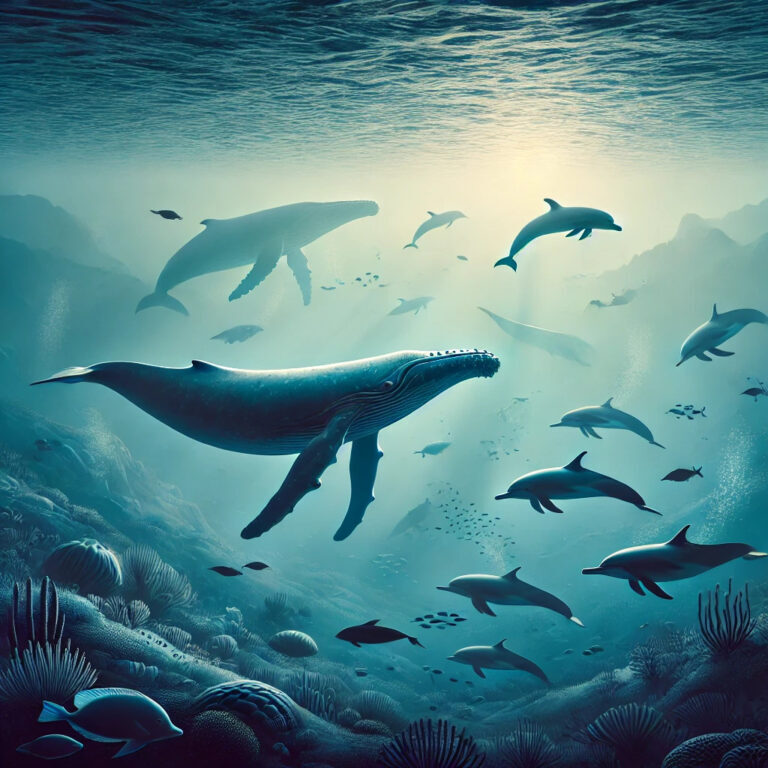
There are different species of cetaceans in the oceans, each with unique characteristics. From the imposing blue whales, which are the largest creatures on the planet, to the small dolphins, these marine mammals have colonized every corner of the sea. In fact, cetaceans include both whales and dolphins, although there are others that are less well known, such as orcas and porpoises. Did you know that orcas are actually a type of dolphin, even though they look so different?
One of the most surprising aspects of cetaceans is their ability to breathe air through their lungs. Unlike fish, which have gills to extract oxygen from water, cetaceans have pulmonary respiration. Although they live in the water, they must come to the surface to breathe, which is a fascinating behavior, especially when we watch whales emerge and expel a great burst of air, creating a spectacular fountain of vapor.
The study of these magnificent animals is known as cetology. If you have ever wondered how they behave, how they communicate, or how they develop, experts in cetology are the ones who uncover these mysteries. In this field, both their eating habits and their incredible ability to navigate and communicate through the water are investigated.
Speaking of communication, it is truly fascinating how cetaceans use sonar to navigate and find food in the depths of the ocean. This echolocation system is similar to that of bats and allows them to “see” the world around them in a way we cannot even imagine. Using sound waves, they can detect prey and map their environment in an incredibly efficient way, even in dark waters.
Cetaceans live mainly in marine environments, from warm waters and tropical seas to the cold waters of the Arctic and Antarctica. In fact, some of the largest cetaceans migrate across vast distances, crossing oceans in a phenomenon that continues to intrigue scientists. The migration of cetaceans is a fascinating phenomenon, as they can travel thousands of kilometers in search of food or to reproduce. Humpback whales, for example, travel from the cold waters of the northern hemisphere to the warmer waters of the southern hemisphere to give birth.
However, not everything in the world of cetaceans is so wonderful. Despite their strength and adaptability, some cetaceans are in danger of extinction. Human activity has had a negative impact on their populations. Marine pollution, illegal hunting, boat traffic, and climate change have put the survival of several species at risk. The right whale and the fin whale are just some examples of cetaceans facing serious challenges. This reminds us of the importance of taking measures to protect these magnificent animals and their natural environment.
Finally, there is something truly special about the connection between cetaceans and their offspring. As mammals, female cetaceans give birth to their young, and like humans, they feed them with mother’s milk. This bond between mother and child is essential for the survival of the young, who need the mother’s protection and care until they are strong enough to fend for themselves.
So, the next time you hear about cetaceans, remember that they are much more than whales or dolphins. They are incredible marine mammals with surprising intelligence and a series of abilities that make them unique in their underwater world. As we continue to learn more about them, our responsibility to protect them also grows.
In summary, cetaceans are fascinating creatures that continue to hide secrets in the deepest parts of the oceans. Would you dare to discover more about them? Surely the ocean holds many more surprises to reveal.