Post actualizado el día October 13, 2026 by DeiviSanzPlay
Let’s cut the crap. If you’re hunting for the best mattress for seniors, you don’t need another list of fluffy features. You need to know what actually keeps an 80-year-old from waking up stiff, dizzy, and one fall away from a hospital bed. I’ve talked to geriatric physios, care home managers, and families who’ve burned through three mattresses in five years. Here’s what they say when the sales rep leaves the room.
Why the wrong mattress is a health risk, not just a bad night
Sleeping badly at 75 isn’t the same as pulling an all-nighter at 25. A bad night for an older adult means confusion the next morning, higher fall risk, and blood pressure spikes. The best mattress for older adults isn’t the softest or the most expensive — it’s the one that stops them sinking into a hole and waking up every two hours with numb legs.
Geriatric research keeps pointing the same way: over 60% of people past 65 sleep less than six straight hours. Blame the prostate or the bladder if you want, but a mattress that doesn’t distribute pressure is often the real culprit. Micro-awakenings you don’t even remember are what shred deep sleep.
And here’s the bit nobody sells you: a mattress that traps heat makes older skin — already thin and fragile — a breeding ground for irritation and pressure sores. That’s not a comfort issue. That’s a medical issue.
The five non-negotiables for a mattress for the elderly
Forget 17 layers of NASA gel. If a mattress fails any of these, walk away even if it has 10,000 five-star reviews.
- Medium-high firmness: not a slab of concrete, not a hammock. The lumbar spine has to stay aligned. If the hips sink lower than the shoulders, it’s wrong.
- Real edge support: this is the one that sends people to the ER. A senior needs to sit on the edge, push up, and stand. A mushy edge turns that into a slide.
- Breathability that actually works: older adults sweat less but overheat more. A mattress that holds moisture grows mold and irritates skin.
- Hypoallergenic materials: anti-dust mite covers, no formaldehyde, no cheap chemical foams that off-gas for weeks.
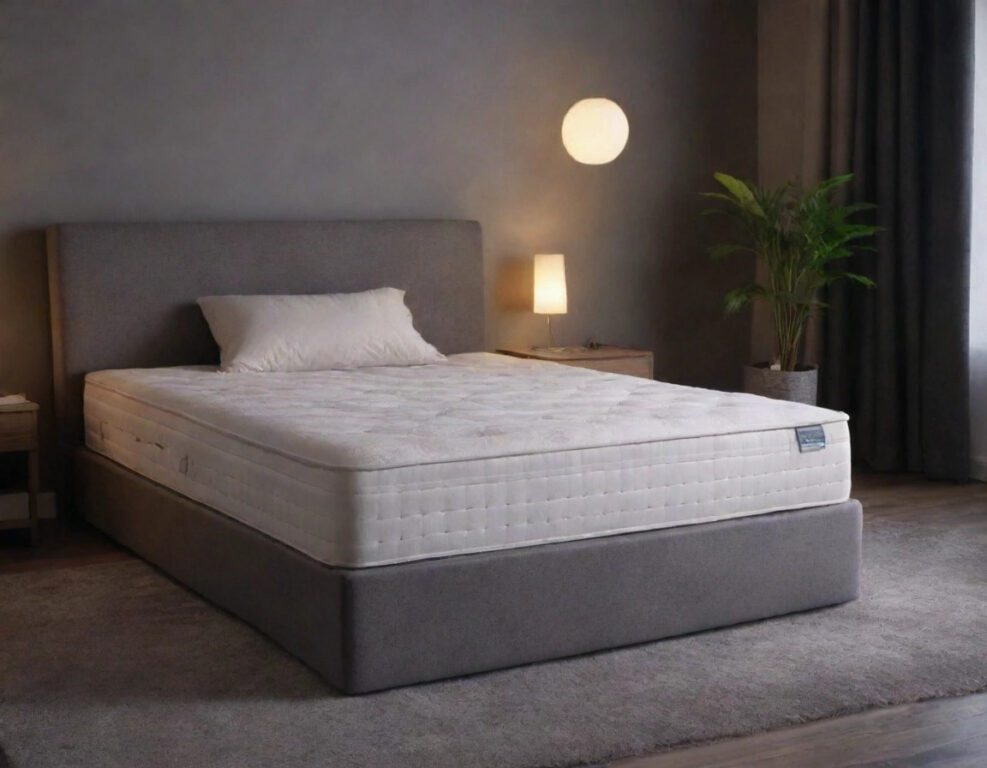
- Low profile (20–25 cm): the lower it is, the less effort to get in and out. A 35 cm mattress looks great in a showroom and becomes a wall for someone with weak arms.
I’ve seen families ignore the edge support point because the mattress was on sale. Six months later, grandma stopped getting out of bed alone. That’s the cost.
Latex, memory foam, or springs: pick based on the person, not the trend
Anyone who tells you there’s one perfect mattress type for every senior is either ignorant or selling something. It depends on weight, mobility, continence, and how hot they run.
Natural latex: the safest all-rounder
If your parent has mild incontinence, allergies, or just moves a lot at night, natural latex is the best mattress for seniors in most cases. It handles moisture better than memory foam, doesn’t develop a body-shaped crater, and has a gentle bounce that makes turning over easier. Downside: it’s heavy and pricey. But for osteoarthritis and restless sleepers, it’s the bet I’d make.
High-density memory foam: brilliant or a trap
Memory foam relieves pressure points, which matters if there’s chronic hip pain or a history of pressure ulcers. But cheap memory foam is a disaster for anyone over 90 kilos or prone to night sweats. It becomes an oven and a pit. Only consider it if it’s open-cell and at least 50 kg/m³ density. Otherwise, skip it.
Pocket springs: the familiar, cooler option
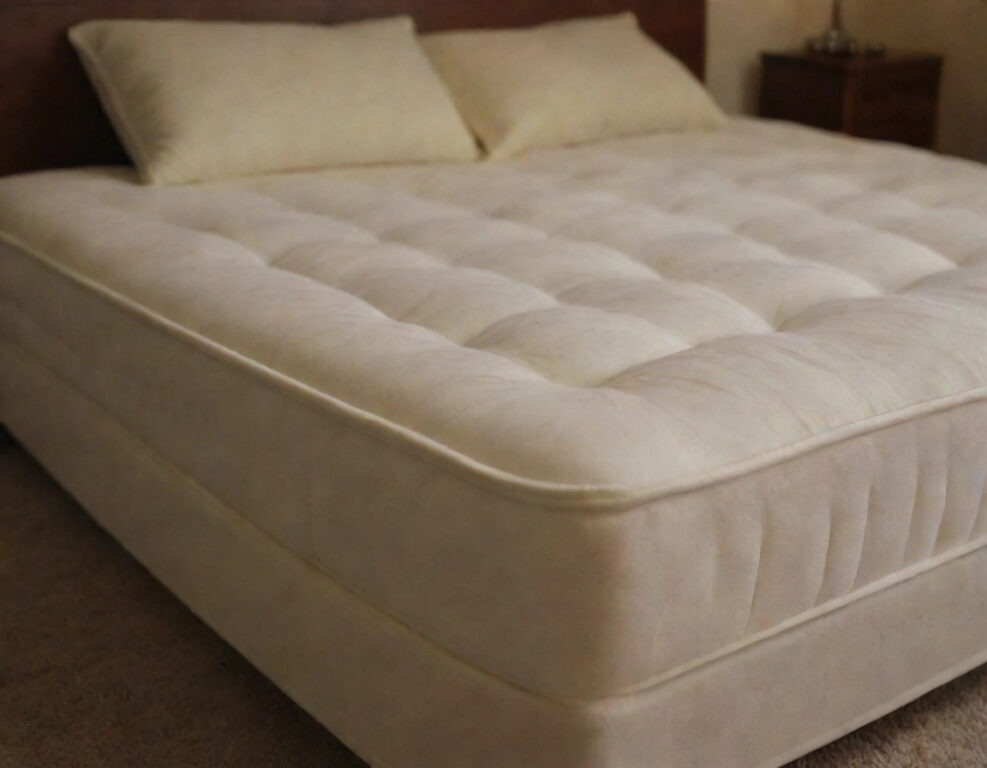
Pocket springs with a thin foam layer give traditional support and sleep cooler than foam. Each spring works independently, so when one person shifts, the rest of the mattress doesn’t bounce. For couples or anyone who hates the “sinking” feeling, this is a solid choice.
One mistake I see every single week: buying an orthopedic mattress hard as a board because “it’s good for the back.” False. Too hard creates new pressure points and forces constant tossing. Balance beats brute force every time.
Anti-bedsore and adjustable beds: when they’re worth every cent
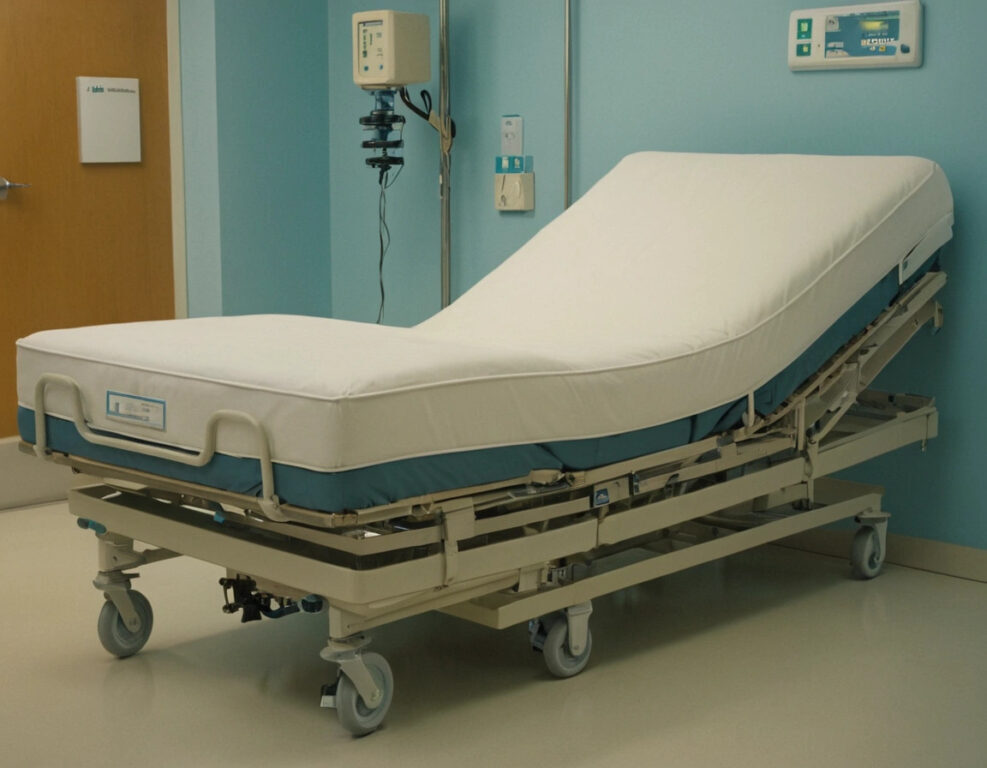
If the senior spends more than 15 hours a day in bed or has severely reduced mobility, an anti-bedsore air mattress or alternating pressure mattress stops being a luxury and becomes prevention. Pressure ulcers can form in days and take months to heal — sometimes they never do. Do not skimp here.
Adjustable beds, the ones that raise the head and feet, are a different conversation. They’re gold for reflux, breathing issues, or someone who wants to read sitting up. But they need an articulated base, which is another expense. My take: if there’s a breathing or circulation problem, prioritize the adjustable bed over a 2,000-euro mattress.
Quick comparison: best mattresses for older adults in 2026
This is the mental table I run through after testing and talking to care home staff:
- Natural latex (Pikolín Descanso Látex or similar): most balanced. Firm, breathable, hypoallergenic. Ideal for osteoarthritis and restless sleepers.
- Open-cell memory foam (Tempur Original or equivalent): best for joint pain and bedsore prevention. Not for heavy or hot sleepers.
- Pocket springs with foam layer (Flex Nube or similar): coolest and most familiar. Good support, mid-range price.
- Anti-bedsore air mattress (for bedridden patients): mandatory if there’s ulcer risk. Not for walking, but it saves lives.
- Coconut fiber or firm spring mattress for very heavy people: above 100 kg, latex and memory foam fall short. Extreme firmness with a solid base wins.
Questions everyone asks before buying
Firm or soft? Neither. Medium-high firmness for 80% of cases. If there’s muscle loss, lean firm so hips don’t sink.
How long should it last? A good mattress for older adults lasts 8–10 years. But if the person lost 10 kilos or gained 15, or the mattress is over a decade old, replace it. No miracles.
Is it worth spending over 1,000 euros? Depends. If they sleep nine hours with chronic pain, yes. If it’s a guest bed for grandpa’s two-week visit, no. For daily use, 600–900 euros from a decent brand is plenty. Above 1,500 you’re paying for marketing and gel layers that rarely change anything.
What about the base? A rigid slatted base or a good box spring matters as much as the mattress. An old sagging base ruins the best mattress on earth.
Can I just buy online? You can, but only if there’s a real trial period and free returns. Lying on it for 15 minutes in the position they actually sleep in beats any review. And if you can, ask a geriatric physio or a care home worker — they see which mattresses hold up and which sag in six months. That’s worth more than any star rating.
My final call, no beating around the bush
If I have to commit: for an older person with normal mobility, mild osteoarthritis, and no excessive sweating, the best mattress for seniors is natural latex, medium-high firmness, 22–25 cm high, with a removable washable cover. If there’s severe joint pain or bedsore risk, quality open-cell memory foam. If they’re bedridden, an anti-bedsore air mattress. If they weigh over 100 kilos, firm springs with a coconut layer.
Don’t get carried away by price tags or trends. Test it lying down for 15 minutes. Ask the people who see the consequences daily. And remember: a mattress isn’t furniture. It’s the tool that decides whether someone gets up in pain or gets up ready for the day.