
Post actualizado el día September 27, 2026 by DeiviSanzPlay
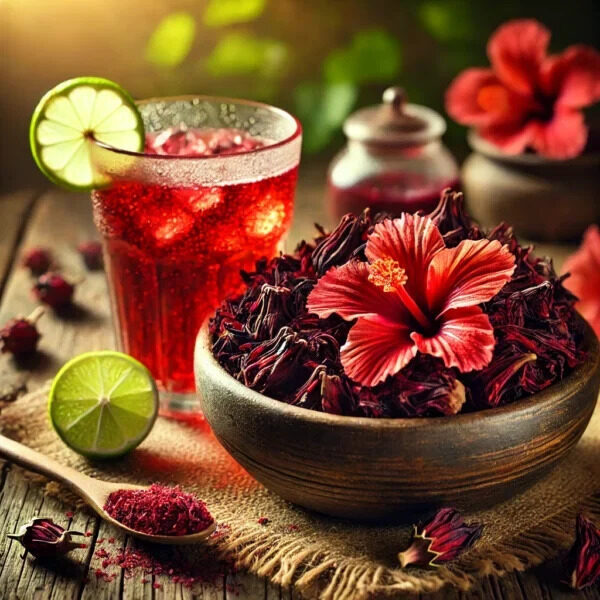
Today I want to talk to you about something you’ve surely heard mentioned at some point: the hibiscus flower. You may have tried it in a soft drink or even in an infusion. But have you ever wondered if hibiscus has side effects? Let’s dig a little deeper into this topic.
I recommend you check out this interesting article: What is a podcast and what is it for?.
If you’ve ever felt drawn to the wonderful benefits of the hibiscus flower, it’s because this plant has properties that many consider miraculous. Its benefits range from improving digestion to reducing hypertension. But… what if I told you it also has certain adverse effects if it’s not consumed properly?
The first thing you should know is that hibiscus has incredible antioxidant properties that can work wonders for your health. However, before you start drinking it all day long, it’s essential to know its contraindications. Although it’s very popular for its medicinal properties, not all of its effects are positive.
One of the main risks of consuming hibiscus in excess is that it can affect your blood pressure. If you’re taking medication for hypertension, you should be especially careful, since this plant can enhance the effects of the drugs and, in some cases, make your pressure drop too low. This is one of the points that people with heart conditions should keep most in mind.
And, although many see it as a natural remedy for various ailments, such as improving blood circulation, that’s not always the case. Some people experience allergic reactions after consuming it. If you notice itching, swelling, or discomfort after taking it, you may be sensitive to its components. Also, if you have a history of liver or kidney problems, it’s best to talk to your doctor before adding this plant to your daily diet.
But did you know that hibiscus can also be beneficial for those who suffer from digestive problems? Many people turn to it because of its ability to relieve stomach discomfort, such as indigestion or constipation. However, not all effects are equally pleasant. In some people, its consumption can cause gastrointestinal discomfort, such as nausea or diarrhea, if consumed in large quantities.
Now then, for those looking to take advantage of its antioxidant properties and its health benefits, hibiscus is a popular option. However, it’s essential not to fall into excess. As with any plant or natural supplement, balance is key.
It’s also important for you to know that, although many benefits of hibiscus are attributed to it, not all of them are scientifically proven. While some studies suggest it can be useful for reducing cholesterol, improving circulation, and combating the effects of aging, others indicate that its effectiveness can vary from person to person.
One of the greatest attractions of hibiscus in the diet is its ability to help with weight loss. It’s said that, being a natural diuretic, it can help you eliminate excess fluids. However, this effect can also have a downside. By eliminating fluids, it can cause mild dehydration if not consumed properly.
If you’re wondering whether hibiscus is really safe, the answer isn’t so simple. As with everything in life, excess can bring unwanted effects. For example, in some people, excessive consumption of this flower can lead to an extreme drop in blood pressure, which can be dangerous if not controlled.
In conclusion, although hibiscus has many health benefits, such as improving circulation, reducing hypertension, and its antioxidant properties, there are also side effects you should keep in mind. It’s vital that, if you decide to add this plant to your diet, you do so in moderation and always under the supervision of a healthcare professional, especially if you suffer from any pre-existing medical condition.
And you, have you tried hibiscus? Has it caused you any side effects? Tell me, I’d love to hear about your experience.