

Post actualizado el día September 27, 2026 by DeiviSanzPlay
What was radio and how did its broadcasts originate?
Radio, in its beginnings, was a means of communication that transmitted information about the new schedule”>information and entertainment through radio waves.
I recommend you check out this interesting article: listen to Costa Rican stations on Alexa free online in Spanish.
Invented in the final years of the 19th century by figures such as Nikola Tesla and Guglielmo Marconi, radio began as a method for transmitting Morse signals wirelessly, evolving-el-formato-de-video-en-tiktok-mas-alla-del-minuto/” title=”How is the video format on TikTok evolving beyond the minute?”>evolving quickly to send voice and music over long distances.
The first radio broadcasts were not the regular programming we know today, but rather scattered experiments where sound signals were sent from one point to another. It was not until the long-de-los-siglos/” title=”How windmills worked, what mechanical principles allowed their operation and how they have evolved over the centuries”>early 20th century that the first radio stations were established, which began to broadcast programs in a more organized and systematic way.
How did the first radio devices work?
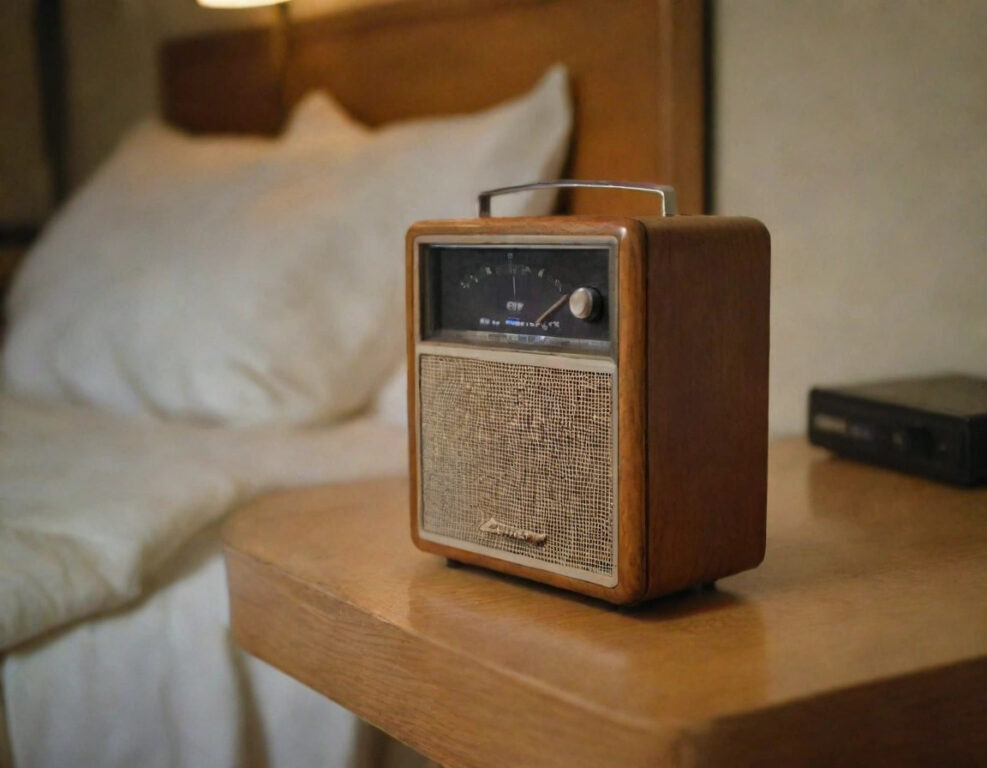
The first radios were fairly rudimentary devices compared to modern devices. They used amplitude modulation (AM) radio technology, where sound was transmitted by modulating the amplitude of radio waves. These radios required large antennas and were often operated by enthusiasts and hobbyists who built their own receivers and transmitters.
The heart of these early radios was the vacuum tube, which allowed radio signals to be amplified and made audible through a speaker. As technology advanced, radios became smaller and more accessible, allowing more and more households to have one.
What was the social impact of radio in its early days?
The impact of radio on society cannot be underestimated. During the first decades of the 20th century, radio became a crucial source of information and entertainment, bringing families together around their speakers to listen to news, dramas, comedies, and music. It was especially crucial during important events such as World War II, where radio served as a vital channel for war news and government messages.
Additionally, radio helped shape the popular culture of the time. Programs like Orson Welles’ “The War of the Worlds” demonstrated the power of radio to capture and mobilize the public imagination, while variety and quiz shows began to define mass entertainment.
How did radio technologies and regulations evolve?
Throughout the 20th century, radio technology continued to evolve. The introduction of frequency modulation (FM) radio in the 1930s offered improved sound quality and less interference, which eventually led to its predominance over AM in terms of music and quality entertainment.
Simultaneously, the regulation of radio broadcasts became more structured. Governments around the world began issuing licenses to operate radio frequencies and established regulations to control content and prevent interference. These measures helped organize the radio spectrum and ensured it was used effectively and equitably.