

Post actualizado el día September 27, 2026 by DeiviSanzPlay
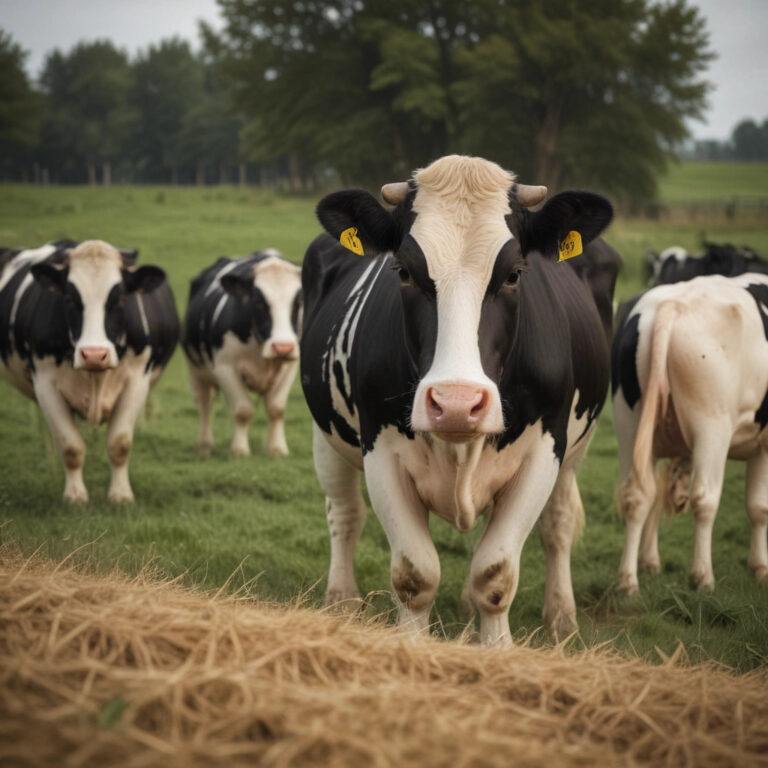
If you are a livestock farmer or simply interested in the safety and welfare of animals, you have probably already heard of them. But if you don’t quite know how they work, don’t worry. I’m going to tell you everything you need to know about these innovative fences that have become an essential element on many farms. What is an electric fence for livestock? Basically, it is a fencing system that uses electric current to create a barrier safe enough to prevent livestock from escaping or unwanted animals from entering the property.
I recommend you check out this interesting article: Discovering Foods with Carbohydrates.
The operation of an electric fence in livestock farming is simple but effective. Through conductive wires connected to an energizer, the fence emits small electrical pulses at regular intervals. When livestock comes into contact with the fence, it receives a mild shock that discourages it from crossing the barrier. This system is not only effective, but also safe for the animals, since the electrical pulse is not dangerous, only strong enough to startle them and keep them within the boundaries.
One of the main benefits of installing an electric fence on your farm is the ease with which you can keep livestock within a specific area. This is especially useful if you have large plots of land or if you want to divide your farm into different sections for rotational grazing. Additionally, electric fences are much more economical in the long term than traditional wooden or metal fences, since they require less maintenance and are easier to install.
If you are thinking about how to protect your livestock with an electrified fence, you will be glad to know that it is a very effective system. It is not only ideal for keeping cows, sheep, or horses within an area, but it is also an excellent solution for protecting your livestock from wild animals or intruders, such as foxes or dogs, that could be a threat. Additionally, advantages of the electrified fence for livestock include that this type of fencing is more resistant to bad weather and much easier to handle than traditional fences.
So, why use electric fences for livestock instead of traditional fences? The answer lies in efficiency and versatility. Electric fences are faster and more economical to install. Additionally, their maintenance is much lower than that of wire or wooden fences, which will allow you to save time and money. Compared to conventional fences, electric fences are also much safer for livestock, since the electric shock is completely controlled and does not hurt them.
If you are wondering about the types of electric fences for livestock, the good news is that there are several options available, depending on your needs. You can find electric fences with different voltage levels, and there are also models that allow you to adjust the shock intensity, depending on the type of livestock you are raising. This gives you total control over the system and ensures that the livestock stays safe and within the area you determine.
The installation of an electric fence for livestock is not as complicated as it seems. Although it is important to have basic knowledge of electricity, most electric fences come with detailed instructions that make the process easier. If you prefer not to do it yourself, you can always hire a professional to carry out the installation. The most important thing is to make sure that the fence is properly connected to the energizer and that all wires are correctly tensioned to guarantee optimal operation.
As for the maintenance of an electric fence for livestock, the good news is that it requires very little effort. You only need to periodically check the system to make sure everything is working correctly. You should verify that the energizer is working and that there are no broken or disconnected wires. Additionally, it is advisable to clean the fences and wires to prevent dirt or leaves from interfering with the electric current.
Now then, how do you choose the best electric fence for your livestock? The key is to consider the type of livestock you have, the size of your property, and the climate in your area. Fences for cattle, for example, will need a higher voltage system than those intended for sheep or horses. Researching the best brands and reading reviews can also help you make an informed decision.
Finally, when it comes to safety and effectiveness of electric fences in livestock farming, you can rest assured. Electric fences are a safe and efficient option that protects both your livestock and your investment. Additionally, the respect that animals learn from the electric shock makes fences a durable and reliable option in the long term.