

Post actualizado el día September 27, 2026 by DeiviSanzPlay
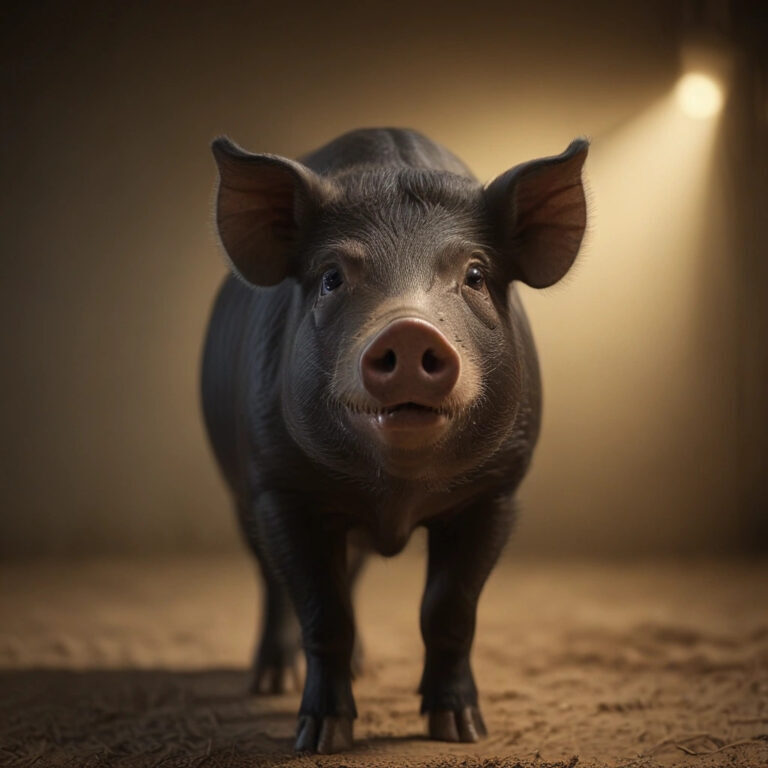
If you are a lover of gastronomy, you have surely already heard of this delicious delicacy, but today I want to tell you in greater depth why this meat is considered a true treasure of Spanish gastronomy. <a href="https://www.chusmeando.com/preguntas-y-respuestas/alguna-vez-te-has-preguntado-como-se-hace-el-jamon-de-pork-iberico-de-acorn/” title=”Have you ever wondered how acorn-fed Iberian pork ham is made?”>What is acorn-fed Iberian pork? It is a breed of pig native to the Iberian Peninsula, famous for its diet and rearing in freedom, which give it a unique, unmistakable flavor and high quality.
I recommend you check out this interesting article: <a href="https://www.chusmeando.com/descubre-reino-animal/descubre-el-fascinante-world-del-camello-del-desierto/” title=”Discover the Fascinating World of the Desert Camel” class=”internal-recommendation” target=”_self” rel=”noopener”>Discover the Fascinating World of the Desert Camel.
The diet of the acorn-fed Iberian pig is one of the most important factors that gives this meat such high value. During the last months of its life, the Iberian pig feeds exclusively on acorns, which fall from cork oaks and holm oaks. This type of diet, rich in healthy fats and nutrients, gives the meat that texture so juicy and that flavor so deep that makes it unique. The impact of the acorn on Iberian pork meat is impressive: the infiltrated fat, known as “marbling,” is what makes this meat so tender and tasty.
Why is it called acorn-fed Iberian pork? The term “acorn” refers to the pig’s main food source during the final phase of its rearing, a period known as “montanera.” The acorns that fall from the trees not only provide a unique flavor, but also a healthier fat, rich in oleic acids, which improves the quality of the meat. This acorn-based diet is what distinguishes the Iberian pig from other types of pig.
The quality of acorn-fed Iberian pork meat is incomparable. Not only because of the feeding process, but also because of the characteristics of the pig breed itself. These creatures have a special genetics that allows them to develop a greater infiltration of fat in the meat, which produces a richer flavor and a more tender texture in every bite. If you have ever tried acorn-fed Iberian ham, you already know what I am talking about: that unique flavor, with sweet and savory nuances, is what makes Iberian pork meat so highly valued.
As for the designation of origin of acorn-fed Iberian pork, it is important to note that not all Iberian pigs are the same. For a pig to be considered “acorn-fed,” it must meet a series of strict requirements. This includes the type of diet and free-range rearing in the dehesas of the Iberian Peninsula, which ensures the superior quality of the meat. The hams and sausages that come from pigs with this designation of origin have very rigorous quality control, which guarantees that every piece you buy is of the best quality.
Iberian pork meat is known throughout the world, and its presence in Spanish gastronomy has no comparison. It is commonly used to make cured products such as acorn-fed Iberian ham, loin or cecina, which are authentic delicacies that form an essential part of traditional Spanish tapas. Its flavor and texture make it a delicacy for special occasions.
What are the benefits of Iberian pork meat? Beyond its unmistakable flavor, acorn-fed Iberian pork has a series of health benefits due to its content of healthy fats. The fat it contains, thanks to its acorn-rich diet, is high in monounsaturated fatty acids, the same ones found in olive oil, which makes this meat much healthier than other types of meat. In addition, it is an excellent source of high-quality proteins, iron, B-complex vitamins and minerals.
Differences between acorn-fed Iberian pork and common pork are also notable. While common pigs feed mainly on industrial feed, acorn-fed Iberian pigs are raised free-range in the dehesas, which not only influences the flavor, but also the welfare of the animal. This difference in rearing and feeding is what makes acorn-fed Iberian pork so exclusive.
How is an acorn-fed Iberian pig raised? The rearing process is long and requires a lot of patience. After being born, Iberian pigs live for a time in a controlled environment, but in the montanera phase, they are raised free-range in the dehesas, where they can feed on the acorns that fall from the trees. This period is crucial for the development of the quality of the meat, since the acorn-based diet allows the creation of an excellent quality fat.