
Post actualizado el día September 27, 2026 by DeiviSanzPlay
If you haven’t already, you’re about to discover one of the most fascinating species in the animal world. This impressive bat, scientifically known as Acerodon jubatus, is one of the largest megabats in existence. As part of the Pteropodidae family, its size and characteristics are truly astonishing.
I recommend checking out this interesting article: El ERROR que te CUESTA €200 EXTRA en tus VACACIONES.
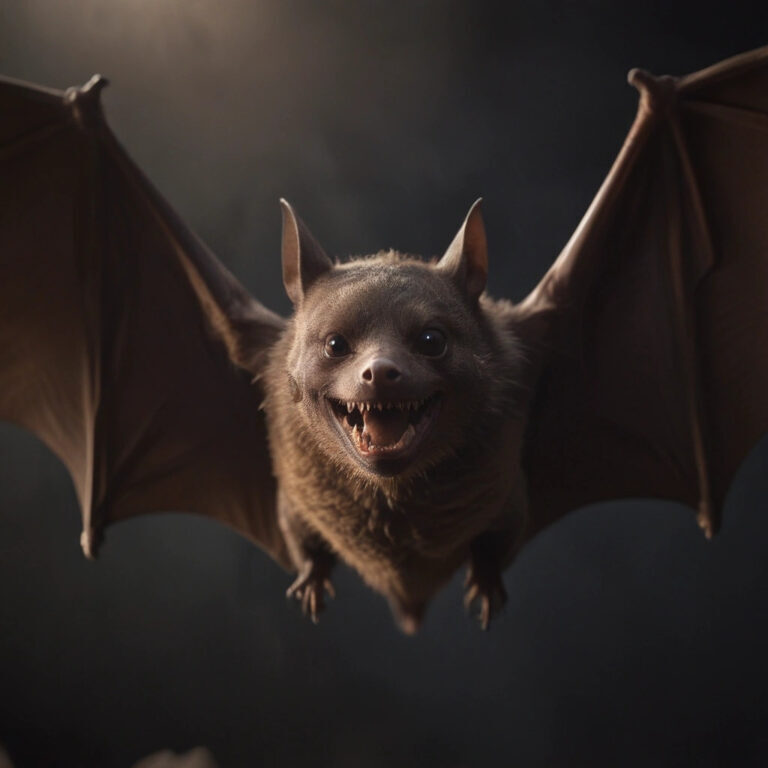
The giant golden-crowned flying fox or Philippine flying fox is famous for its impressive size. With a wingspan that can reach up to 1.5 meters, it is considered one of the large Philippine bats. Not only does its size make it stand out, but so does its appearance, which includes a fox-like face, hence its nickname. It is a bat that has an imposing presence, but it is completely harmless to human beings.
This large bat from the Philippines is primarily frugivorous. The diet of the giant golden-crowned flying fox is mainly based on fruits, nectar, and flowers. Despite its size, its diet is made up of plant-based elements, which makes it a frugivorous bat from the Philippines. It uses its keen sense of smell to locate ripe fruits and flowers, and feeds on them calmly, flying from tree to tree. Although it may seem terrifying due to its size, this bat poses no threat to humans, as it does not feed on blood nor exhibit aggressive behavior.
Where does the Philippine giant golden-crowned flying fox live? This bat is endemic to certain islands in the Philippines, such as Mindanao and Luzon. It prefers tropical forests and areas of dense jungle, where it can find the fruits and flowers it needs to feed on. It is often found in elevated areas, which allows it to have a clear view of its surroundings and avoid predators.
Despite its impressive size and its ability to fly long distances, the giant golden-crowned flying fox faces serious threats due to the loss of its natural habitat. The conservation of the giant golden-crowned flying fox is a growing concern, as deforestation and the expansion of urban areas in the Philippines are reducing the spaces where it can live. Due to this habitat loss, the Philippine flying fox is classified as a vulnerable species and, although its population is considerable, conservation measures are still necessary to protect this majestic creature.
In addition to its size and its diet, this bat is also known for its fascinating physical characteristics. The characteristics of the giant golden-crowned flying fox include its fox-shaped face and its large wings that can cover an impressive area. These wings allow them to fly for hours and cover great distances to find food, which is vital for their survival.
Although many Philippine bats are known for their ecological abilities, such as insect control, the Acerodon jubatus stands out for its role in pollination and seed dispersal. This frugivorous bat helps spread the seeds of many species of tropical plants, which contributes to the health of Philippine ecosystems.