

Post actualizado el día September 27, 2026 by DeiviSanzPlay
How can a nap enhance your mood and energy?
Naps are not just a luxury; they are a powerful tool to improve your well-being overall.
I recommend you check out this interesting article: How to delete applications on Mac that won’t uninstall or remove.
<a href="https://www.chusmeando.com/recomendaciones-para-dormir-y-rest/es-bueno-dormir-mas-de-8-horas-al-dia/” title=”Is It Good to Sleep More Than 8 Hours a Day?”>Sleeping even a brief period during the day can be incredibly beneficial for your state of mind and energy. This is because naps help reset your system, reducing the mental and physical pressure that might be affecting you.
First, understanding how a nap affects your brain will help you appreciate its power. When you sleep, your brain has the opportunity to rest and repair itself, which improves your cognitive ability and increases memory retention. If you feel overwhelmed or stressed, a nap can be just what you need to feel in control again.
Additionally, naps have the potential to significantly improve your mood. A short period of sleep during the day can decrease irritability and frustration, while increasing patience and positivity. If you find yourself in a bad mood or unable to enjoy daily activities, consider integrating a nap into your routine.
From a physical standpoint, naps restore alertness and improve performance. Studies have shown that a nap can decrease fatigue and increase energy, allowing you to face the rest of the day with more vigor and enthusiasm. This is especially useful for those who lead an active lifestyle or have a demanding schedule.
Finally, naps can also play a crucial role in stress management. Taking time to rest during the day can help keep cortisol levels, the stress hormone, under control. This not only improves your overall mood but also contributes to better long-term health.
How to take a nap effectively?
Becoming a nap professional is not as difficult as you might think. First, choose a quiet and comfortable place where you can relax without interruptions. This could be a sofa, a bed, or even a hammock outdoors. The key is to make sure the environment is conducive to sleep.
Set a time limit for your nap; this is crucial to avoid post-nap lethargy. Most experts recommend between 10 and 20 minutes for a short nap, and no more than 90 minutes if you need a <a href="https://www.chusmeando.com/descubre-reino-animal/animales-en-peligro-de-extincion/el-gorila-de-montana-como-la-inestabilidad-politica-amenaza-la-recuperacion-de-este-primate/" title="The Mountain Gorilla: How does political instability threaten the recovery of this primate?”>deeper recovery. Setting an alarm can help you wake up on time and avoid sleeping more than necessary.
Temperature also plays an <a href="https://www.chusmeando.com/tramites/por-que-el-empadronamiento-es-el-tramite-mas-important-que-nadie-valora/” title=”Why is voter registration the MOST IMPORTANT procedure that nobody values?”>important role in the quality of your nap. Make sure the temperature of the space is comfortable – neither too hot nor too cold. A light blanket can be helpful, as body temperature tends to drop while you sleep.
Minimize distractions before lying down by trying to disconnect from devices electronic and other sources of noise and light. This will help you fall asleep faster and have a more restorative nap.
Finally, use relaxation techniques to prepare for your nap. This could include guided meditations, deep breathing, or simply closing your eyes and allowing your thoughts to flow without focusing on them too intensely.
What should we avoid before and after a nap?
While naps can be incredibly beneficial, there are certain things you should avoid to maximize their effectiveness. Understanding what not to do is as crucial as knowing what to do.
Before your nap, avoid consuming caffeine and other stimulants. Drinks like coffee, black tea, and certain soft drinks can interfere with your ability to fall asleep quickly. If you plan to take a nap, it’s best to avoid these stimulants at least a few hours beforehand.
Another important thing to avoid is eating heavy or spicy meals right before your nap. Eating a lot or consuming foods that can cause indigestion can make you feel uncomfortable and make it difficult to sleep. If you’re hungry, opt for a light and healthy snack, like a handful of almonds or a piece of fruit.
The environment also plays a key role. Avoid noisy and brightly lit places that can make relaxation and sleep difficult. Look for a quiet, dark place where you can rest without interruptions.
After your nap, it’s crucial not to jump directly into stressful or physically demanding activities. Giving yourself a moment to fully wake up and acclimate will help you maintain the benefits of the nap for longer. This can include gentle stretching or a short walk to help your body wake up gradually.
Avoid using electronic devices immediately after waking up. The blue light from screens can be quite stimulating and counteract the relaxing effects of your nap. Instead, allow your eyes and mind to gently adjust to a state of alertness.
What is the best time and duration for a nap?
The timing of your nap can make a big difference in how you feel afterward. Most experts suggest that the best time for a nap is early in the afternoon, between 1:00 p.m. and 3:00 p.m. This is because it coincides with a natural dip in energy levels and doesn’t interfere as much with nighttime sleep patterns.
As for duration, short naps are usually the most effective for a quick boost in alertness and well-being. A nap of 10 to 20 minutes is enough to improve cognitive function and decrease drowsiness without causing sleep inertia, which is the feeling of grogginess and disorientation that can sometimes follow longer periods of sleep.
For those who need more recovery or are dealing with a significant sleep deficit, a longer nap of up to 90 minutes can be beneficial. This time allows for a complete sleep cycle, including REM sleep, which can improve memory, creativity, and emotional performance.
How will different nap styles influence your recovery?
Every person is unique, and so are their rest needs. That’s why understanding the different nap styles can help you personalize your approach and get the maximum benefits. Choosing the right type of nap can be a decisive factor in your recovery and daily performance.
The power nap of 10 to 20 minutes is perfect for a quick boost of alertness and vigor. It is ideal for improving attention, concentration, and motor performance without the effects of sleep inertia. This is an excellent option for professionals on the go or for students between classes.
The REM sleep nap, which lasts about 60 to 90 minutes, is beneficial for those who need to improve creativity and problem-solving. This type of nap allows you to experience deep sleep and REM sleep, which facilitates memory consolidation and learning. It is ideal for artists, writers, and anyone working on projects that require creative and extensive thinking.
Additionally, there is the disconnect nap, of about 20 to 30 minutes, which can help reduce stress and rejuvenate the body and mind. Although it is slightly longer than the power nap, it is still short enough to avoid sleep inertia and long enough to provide meaningful rest.
Experimenting with these different types can help you discover which one works best for you, depending on your daily activities and recovery needs. Not everyone will respond the same way to the same types of naps, so it is important to personalize your approach.
What are the best tips for integrating napping into your daily routine?
Integrating napping into your daily routine may seem like a challenge, especially if you have a tight schedule. However, with a few adjustments and careful planning, you can make room for this healthy habit.
First, consider your schedule and determine the best time for a nap that does not interrupt your main activities or your nighttime sleep. As we mentioned earlier, early in the afternoon is usually ideal, but adjust this time according to your personal schedule and your energy levels.
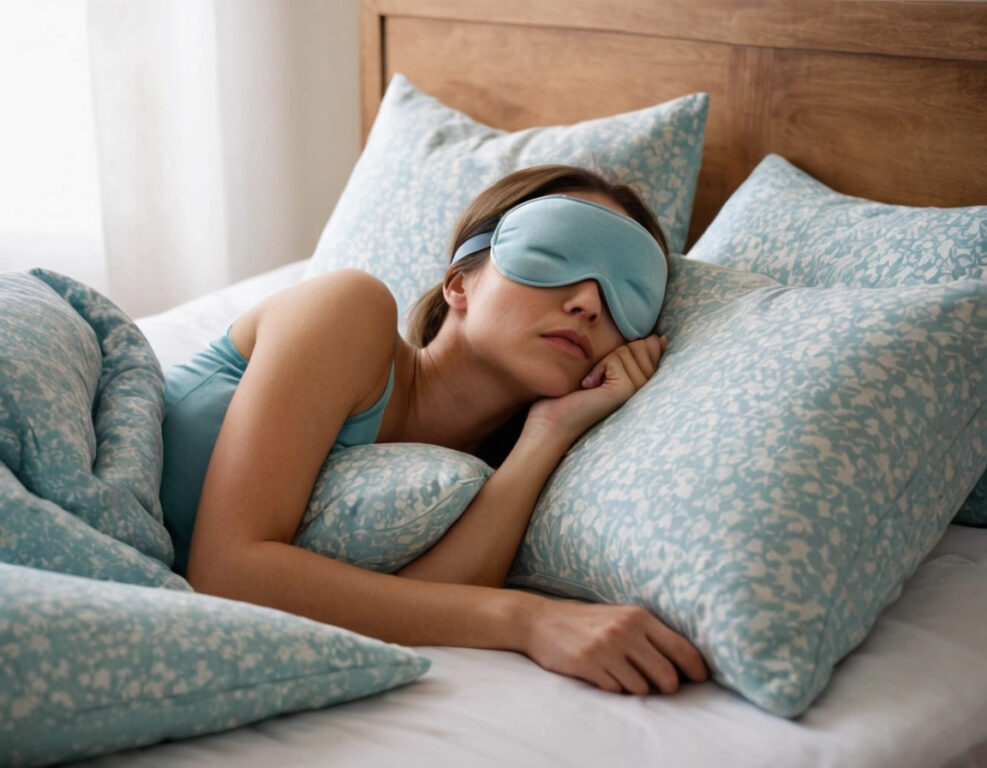
Create an environment conducive to napping. Use dark curtains, sleep masks, and other methods to block out light. Consider using earplugs or white noise machines to minimize auditory distractions. Make sure your nap space is comfortable and cozy, inviting you to relax and rest.
Set a time limit and use an alarm to avoid sleeping too long and experiencing sleep inertia. Keep the nap short enough to feel revitalized, but not so long that you feel groggy.
Communicate to others the importance of your nap time. This is especially important in shared environments, such as home or work. Make sure others understand and respect your need for this brief rest.
Lastly, be consistent. Try to make napping a regular part of your routine to maximize its benefits for your health and overall well-being. Regularity not only improves the effectiveness of each nap, but also helps your body adapt to a healthier rhythm.