

Post actualizado el día September 27, 2026 by DeiviSanzPlay
What was the Chernobyl nuclear power plant and what was its purpose?
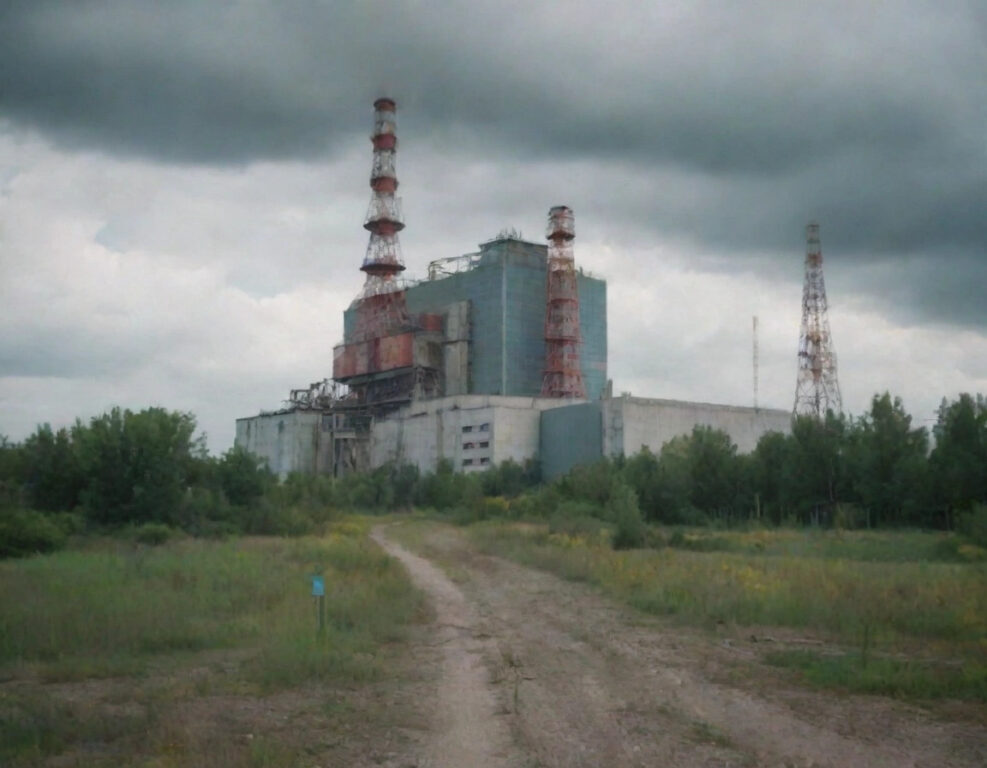
The Chernobyl nuclear power plant, officially known as the Vladimir Ilyich Lenin Nuclear Power Plant, was located in northern Ukraine.
I recommend you check out this interesting article: Conociendo el Olivo, De sus frutos a sus beneficios para nuestro organismo.
This plant was one of the largest facilities of <a href="https://www.chusmeando.com/informatica-y-tecnologia/security-vpn/que-uso-le-dan-los-desarrolladores-y-equipos-de-ti-a-las-vpns-en-entornos-de-produccion/” title=”¿Qué uso le dan los desarrolladores y equipos de TI a las VPNs en entornos de production?”>nuclear power production in the Soviet Union and was intended to <a href="https://www.chusmeando.com/preguntas-y-respuestas/que-es-el-ayuno-intermitente-y-como-hacerlo-descubre-el-metodo-16-8-sus-beneficios-para-adelgazar-menus-ideales-y-como-romperlo-correctamente/" title="🧠💪 Más energía, menos ansiedad… ¡y sin contar calorías! Así arranqué con el ayuno intermitente”>produce electrical energy and heat for the civil and industrial activities of the region.
<a href="https://www.chusmeando.com/preguntas-y-respuestas/energia-nuclear-descubre-como-operan-los-reactors-nucleares/” title=”Energía nuclear, descubre cómo operan los reactores nucleares”>Composed of four reactors, Chernobyl used a type of reactor called RBMK (Reactor Bolshoy Moshchnosti Kanalnyy), a design Soviet that used water as coolant and graphite as moderator to control the nuclear reaction.
How did <a href="https://www.chusmeando.com/preguntas-y-respuestas/como-work-un-barco-a-steam-desde-la-ciencia-detras-de-su-motor-hasta-el-impacto-global-de-esta-tecnologia/” title=”Cómo funcionaba un barco a vapor, desde la ciencia detrás de su motor hasta el impacto global de esta tecnología”>work the RBMK reactor at Chernobyl?
The RBMK reactor at Chernobyl was a unique design for several reasons, especially for its use of graphite as a moderator and water as a coolant. <a href="https://www.chusmeando.com/preguntas-y-respuestas/como-funcionaban-los-molinos-de-viento-que-principios-mecanicos-permitian-su-operacion-y-como-han-evolucionado-a-lo-largo-de-los-siglos/" title="Cómo funcionaban los molinos de viento, qué principios mecánicos permitían su operation y cómo han evolucionado a lo largo de los siglos”>This combination allowed the reactor to be refueled while it was in operation, a distinctive feature that had advantages in terms of operational efficiency.
In simple terms, the reactor operated through nuclear fission, where uranium nuclei split when struck by neutrons, releasing energy in the form of heat. This heat was transferred to the water circulating around the reactor core, which turned into steam. The steam drove turbines that, in turn, generated electricity.
What were the design features that contributed to the Chernobyl disaster?
Although the RBMK reactor design had advantages, it also presented serious safety risks that eventually led to the 1986 disaster. One of the main concerns was that the reactor design tended to become more unstable during low-power operations. Additionally, the design did not include robust containment to contain radiation leaks in the event of an accident.
Another problematic feature was the so-called “positive void effect,” where an increase in steam production could lead to an increase in the fission rate, creating a chain reaction that the control system might not handle adequately.
What lessons were learned from the operation and failure of the Chernobyl reactor?
The Chernobyl disaster was a turning point in the nuclear power industry, highlighting the need to improve nuclear safety standards. The lessons learned led to global changes in safety protocols and reactor design. More emphasis was placed on passive safety systems and on creating reactor designs that are inherently safer and less prone to catastrophic failures.
Additionally, the disaster underscored the importance of rigorous regulation and a safety culture in the operation of nuclear plants, highlighting that transparency and international oversight are crucial to prevent future accidents.