
Post actualizado el día September 28, 2026 by DeiviSanzPlay
Have you ever stopped to think about whether your toothbrush needs to be replaced? Although it may seem like a simple task, changing your toothbrush at the right time is crucial to keeping your oral health in optimal condition. If you don’t know when the best time to do it is, don’t worry, here I’ll tell you everything you need to know.
I recommend checking out this interesting article: How to Play Google Minesweeper for free.
The frequency recommended for changing your toothbrush varies, but the most common is to do it every three months. However, there are several factors that can influence this, such as how hard you brush your teeth or the type of toothbrush you use. If you use a soft-bristled toothbrush, you may need to change it a little sooner if the bristles wear out quickly.
The signs that your toothbrush needs to be replaced are quite obvious. If you notice that the bristles are bent, worn, or splayed, it’s time to get a new one. Worn bristles will no longer be as effective at removing plaque and food debris, which can put your oral health at risk. Additionally, a toothbrush in poor condition won’t clean properly, which could cause problems such as cavities or inflamed gums.
But, how long does a toothbrush last? In general, experts agree that a toothbrush should last between 3 and 4 months. If you use an electric toothbrush, the head should also be replaced at the same frequency. Remember that bristle wear is one of the main signs that your toothbrush is losing effectiveness, so it’s better to be safe than sorry.
The importance of changing your toothbrush regularly is not just a matter of cleanliness, but also of health. If you don’t change your toothbrush, bacteria can accumulate on the bristles, which could be transferred to your mouth every time you use it. It is essential to keep a clean toothbrush in good condition to avoid infections or oral diseases.
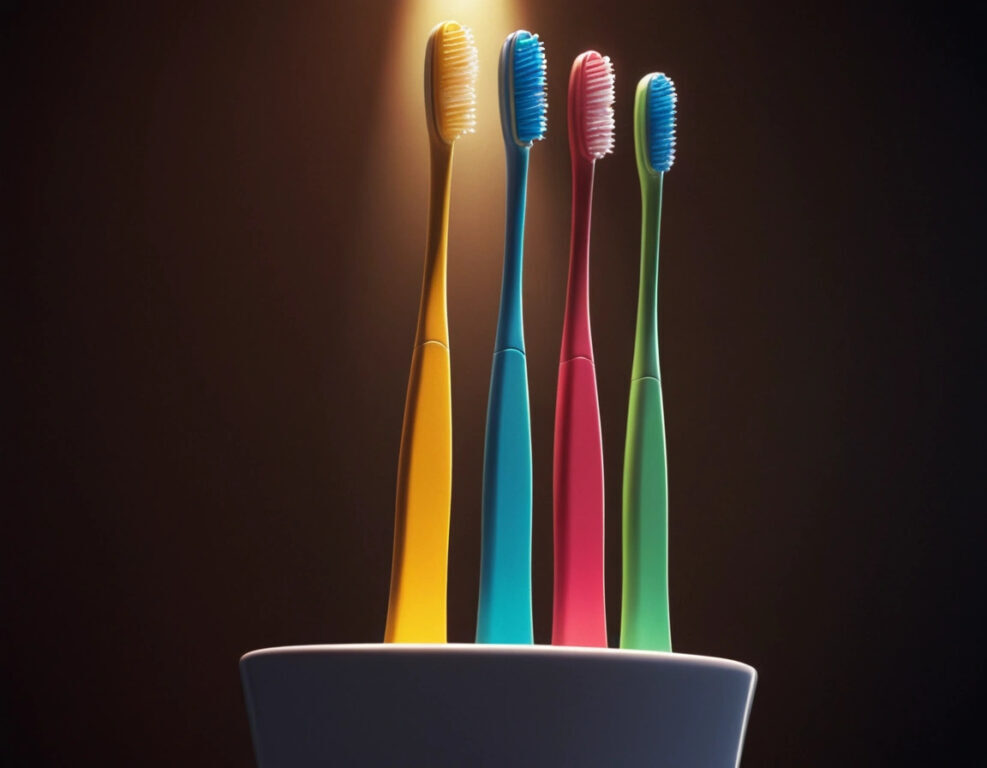
How can you tell if your toothbrush bristles are worn? A simple way is to observe if they are bent or if they are no longer straight as they were when the toothbrush was new. If the bristles look messy or are pointing in different directions, it’s a sign that the toothbrush has lost its ability to clean effectively.
You may be wondering, how often should you change your toothbrush? As we mentioned, ideally every 3 months, but you can also change it sooner if you notice it’s in poor condition or after having been sick, to prevent any bacteria or germs from remaining on the toothbrush.
In addition to knowing when to replace your toothbrush, it is also important to follow some tips to keep your toothbrush in good condition. For example, make sure to rinse the toothbrush well after each use and store it in a dry, ventilated place to prevent bacteria from proliferating. Avoiding sharing your toothbrush is also a basic hygiene rule.
Using an old toothbrush can have a negative impact on your oral health. Worn bristles don’t clean effectively, which can lead to the accumulation of plaque, tartar, and gum problems. In severe cases, not changing your toothbrush can contribute to bad breath or even oral infections.
Finally, what happens if you don’t change your toothbrush regularly? Not only do you compromise the quality of your oral hygiene, but you also risk developing dental problems that could have been avoided. Therefore, establishing a routine of changing your toothbrush every three months is a simple but essential practice for maintaining a healthy mouth.
In summary, changing your toothbrush regularly is a key habit for maintaining your oral health. If the bristles are worn, if more than three months have passed, or if your toothbrush has been subjected to intensive use, it’s time to replace it. Don’t underestimate the importance of this small gesture to take care of your smile!