
Post actualizado el día September 27, 2026 by DeiviSanzPlay
Forget everything you think you know about it’s about using without overthinking it.
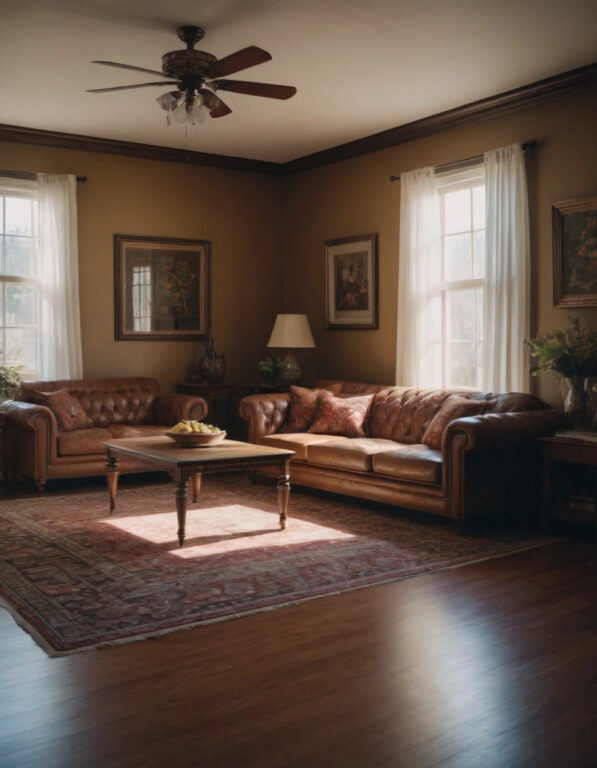
The best way to start is with two pillars: exact ones yet. You only need good empty or full of junk, it doesn’t matter. The important thing is that they are as frontal as possible, with good. The beauty of them being interior in action. You upload it and they give you back the same room transformed. You don’t have to choose furniture; the AI does it for you. It’s the fastest inspiration hit there is. That said, the result is a still image. It gives you ideas to decorate your home, but you can’t take it apart.
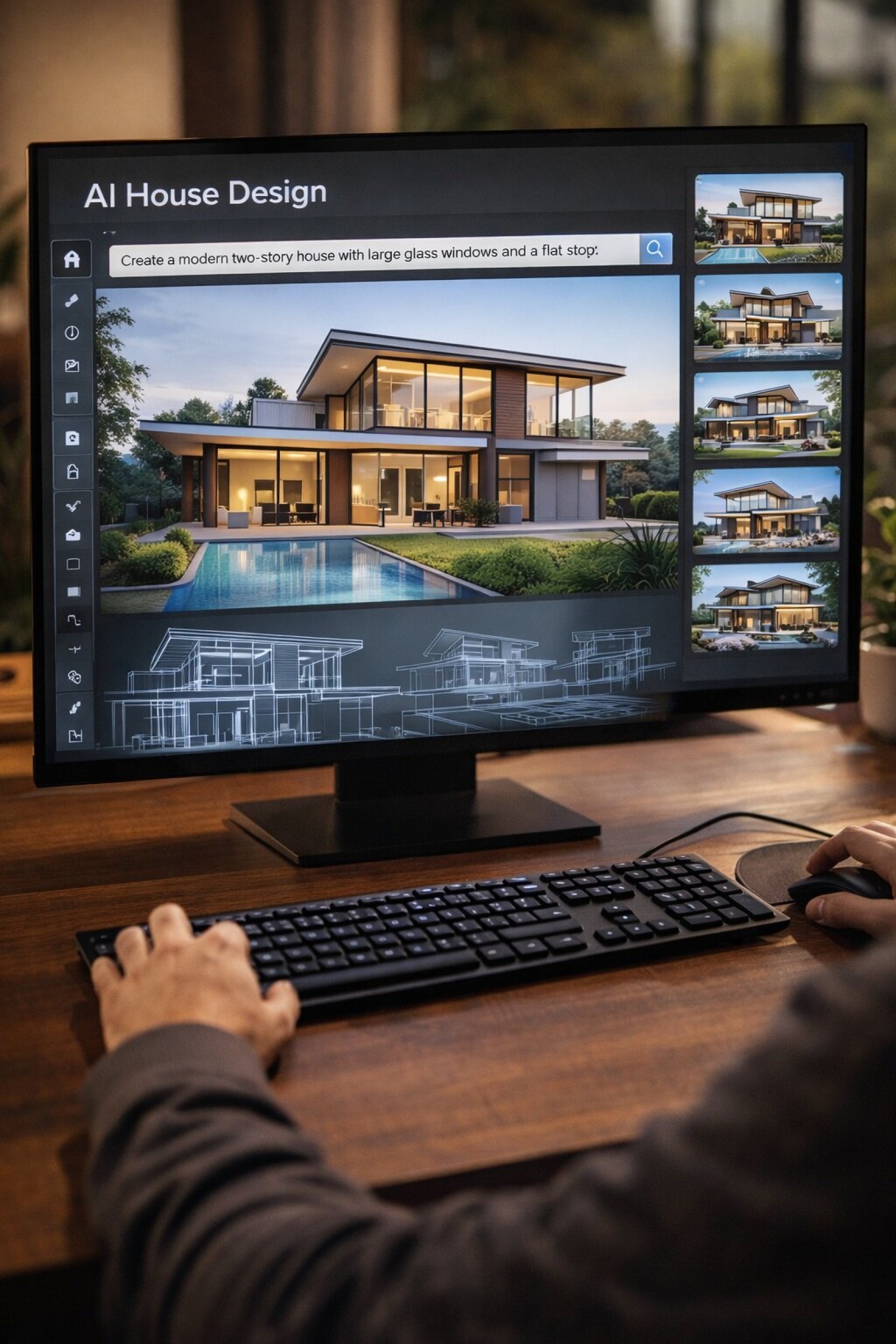
Planner 5D (free web version): This page to design your home is a perfect middle ground. It works whether you start from a photo or create a room from scratch. It has a “Design Generator” that, by just telling it “modern kitchen,” generates several options for you. Then you can go in depth: move each piece of furniture, change its color, and see everything in 3D. It’s a powerful app for interior design accessible from the web.
Use any ChatGPT as a brain, not as a paintbrush. Few people do this, but it’s the key. Instead of asking it to “design this,” use it to solve specific problems and generate ideas to design your room.
Tell it: “I have a 4×5 meter living room with a small north-facing window. What wall colors visually expand the space and improve the light?”
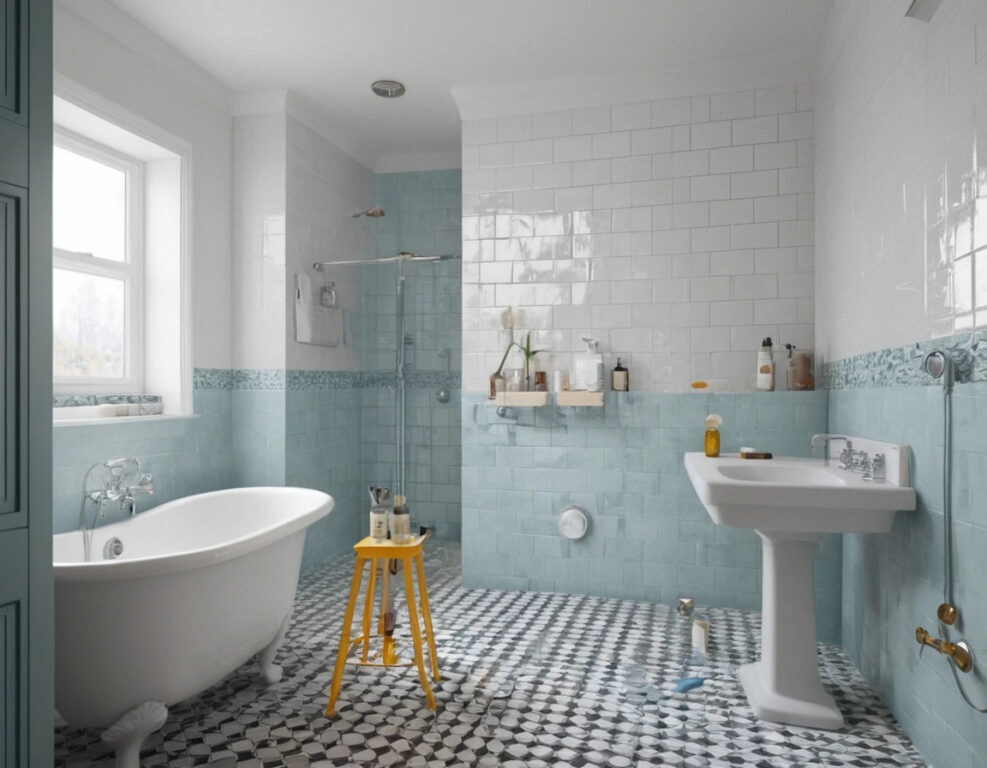
Or: “Make me a checklist of everything I should measure in my bathroom before planning a renovation. “
Conversational AI is brutal for structuring ideas and turning an “I want it to feel cozy” into concrete actions. Then, with those ideas, you go to the visual tools.
What nobody tells you (and the traps you should avoid)
This isn’t magic. There are limitations.
- Scale accuracy is a lottery. The AI can put a huge sofa where only a small one fits. What you see is an aesthetic suggestion, not a floor plan. Your job is to take the real measurements.
- It can generate things that don’t exist. That wonderful lamp may be an invention. Use it as a style reference.
- “Free” almost always has a catch. Be prepared for watermarks, daily limits, low-resolution results, or public designs. The free version is the bait for the subscription.
My approach: the constant trial-and-error cycle
Don’t look for “the perfect design” on the first try. The real power is in iteration.
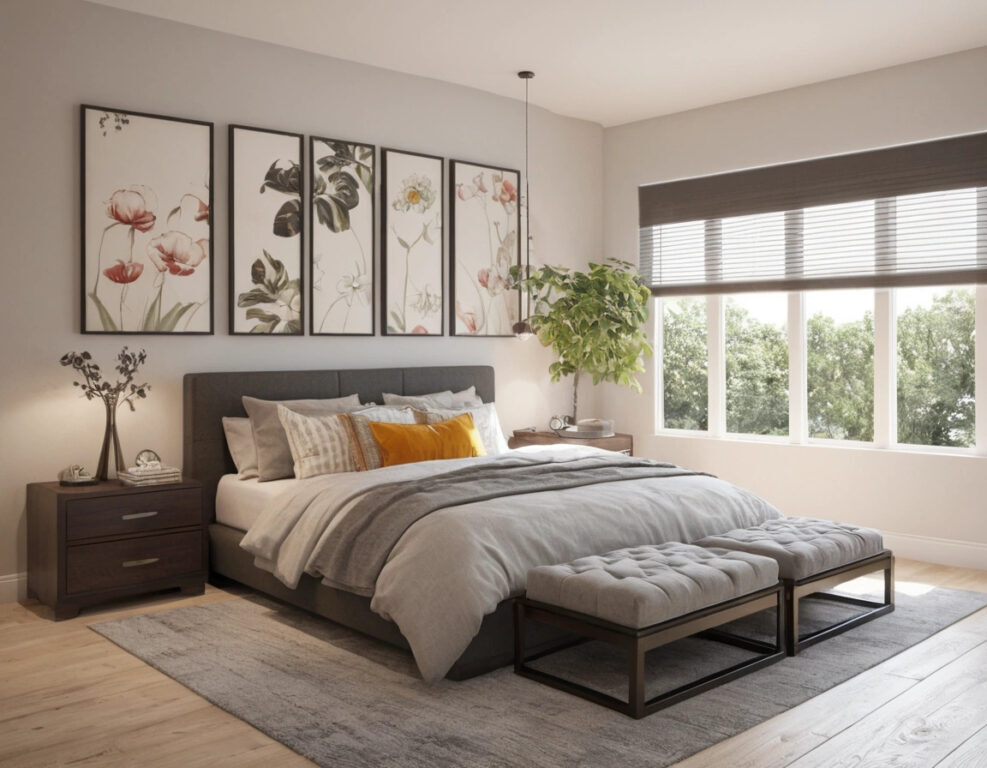
- Generate 5 different versions of the same room. On a page to design a home like RoomGPT, try opposite styles: modern, rustic, japandi.
- Steal details from each one. You like the layout of version 1, but the wall color of version 3. Write it down.
- Take those details to a tool with more control (like Planner 5D, a complete interior decoration app in its web version) and try to recreate them manually.
- Start over. Change the position of the sofa. Try the round table.
AI is the engine for this process. It gives you alternatives at an impossible speed. Your job isn’t to be an expert designer, but to be a good editor: knowing how to filter, combine, and translate what you see on the screen into your real space.
In the end, what you get isn’t just a nice floor plan. You get your own visual language. You walk into the furniture store and instead of saying “I want something nice,” you can show an image and say: “I want an atmosphere like this, but with the sofa in gray”. That has enormous value.