Post actualizado el día October 25, 2026 by DeiviSanzPlay
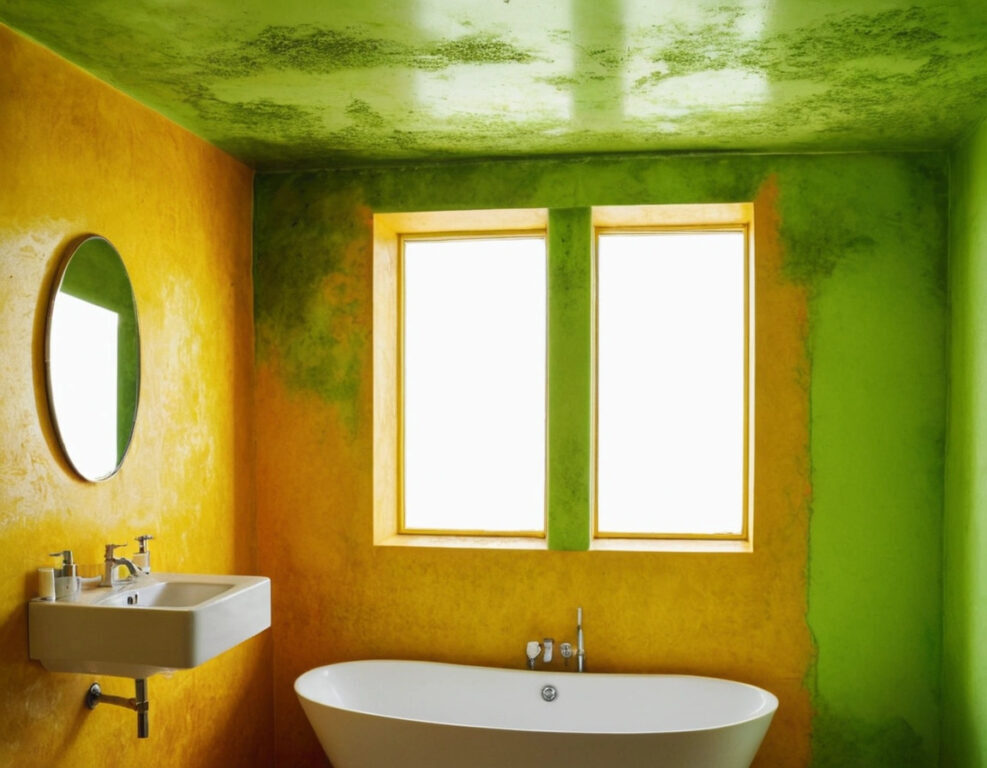
That old basement smell that won’t go away with anything. Those little green spots in the corner of the bathroom ceiling. If you’re reading this, you already know what I’m talking about. Mold isn’t just an aesthetic problem: it’s a sign that something is wrong in your home and, if you ignore it, it’s going to cost you dearly. Here I’ll tell you how to eliminate mold from your home effectively and safely, without miracles or magic products.
How to know if you have mold (even if you can’t see it)
Mold doesn’t always show up as those textbook black spots. Sometimes it’s hidden behind a piece of furniture, inside a closet, or under a layer of paint that’s starting to blister. The key is in the details: a persistent damp smell, surfaces that feel cold to the touch, or walls that peel for no apparent reason.
If you suspect there’s mold in your home, grab a flashlight and check corners, behind appliances, and areas near pipes. A homemade trick: run your hand along the wall. If you notice a damp or slippery film, there’s mold there even if you can’t see it. In severe cases, it’s worth buying a mold detection kit or calling a professional to measure the spores in the air.
Don’t underestimate this. Breathing mold spores is linked to allergies, asthma attacks, and chronic respiratory problems, especially in children and the elderly. Moisture and mold in the home aren’t just a nuisance: they’re a real health risk.
What you need before you start cleaning mold
Before you grab the scrubber, stop. Most people make the mistake of starting to scrub without protection, and the only thing they achieve is spreading the spores throughout the room. You need rubber gloves, an FFP2 mask or higher, and protective goggles. Open windows and, if you can, use a fan to push the air outward.
To eliminate mold on walls and ceilings, forget about mixing bleach with ammonia or vinegar. That combination releases toxic gases that can send you to the hospital. If you use bleach, dilute it in water (one part bleach to ten parts water) and use it only on non-porous surfaces like tiles or glass. Never on wood, plaster, or walls painted with regular paint, because bleach seeps in and doesn’t reach the root of the fungus.
The methods that actually work to remove mold
Distilled white vinegar is one of the most effective remedies for eliminating mold in the home. Don’t dilute it. Spray it directly on the area, let it act for an hour, and then scrub with a brush. It kills around 80% of household mold species. That said, don’t use it on marble or natural stone because it damages them.
Baking soda also works, especially for surface mold on delicate surfaces. Make a paste with water, apply it, let it act, and rinse. It’s not as powerful as vinegar, but it’s perfect for maintenance and for areas where you don’t want to use harsh chemicals.
For stubborn stains on bathroom grout or silicone, sodium percarbonate or 3% hydrogen peroxide work better than vinegar. And if the mold has penetrated the plaster or stucco, don’t waste your time: that part has to be cut out and replaced. No product can fix structurally contaminated material.
After cleaning, dry the area thoroughly. A dehumidifier or a fan speeds up the process. If the moisture comes back, the mold comes back. It’s that simple.
What paint to use so the mold doesn’t come back
Choosing the right paint is half the battle. Paints with anti-mold additives include compounds that inhibit fungal growth, but beware: they aren’t permanent. Over time they lose effectiveness and you have to repaint.
Acrylic latex paint breathes better than cheap plastic paint, which allows moisture to escape instead of getting trapped. In bathrooms and kitchens, many people use exterior paint indoors: it has more resistance to moisture and fungi. And if we’re talking about basements or very damp areas, epoxy paint is the most durable option, although it’s more expensive and requires good ventilation when applying it.
My advice: don’t skimp on anti-mold paint if the problem is recurring. It costs more to clean mold every six months than to repaint once properly.
Preventing mold is easier than eliminating it
Mold needs moisture to grow. If you control moisture, you win the war. Keep levels below 60%, ideally between 30% and 50%. A ten-euro hygrometer helps you know if you’re in the risk zone.
Ventilate daily, especially after showering or cooking. Use extractor fans in the bathroom and kitchen. Repair any water leak as soon as you detect it, even if it’s a small drip. And if something floods, dry it in less than 48 hours or you’ll have mold for sure.
In prone areas like basements or built-in closets on cold walls, place dehumidifiers or absorbent bags. And check furniture placed against exterior walls: always leave a couple of centimeters of separation so air can circulate.
Mistakes that make the mold problem worse
One: painting over mold without eliminating it. The paint will peel off and the fungus will still be there. Two: using bleach on wood or plaster, which only bleaches the stain but doesn’t kill the root. Three: closing the room after cleaning without ventilating, which encourages the spores to settle again. Four: ignoring the source of the moisture, such as a roof leak or a broken pipe. If you don’t fix the cause, the mold will return in weeks.
Eliminating mold from your home effectively and safely isn’t a matter of luck, but of method. Identify, protect, clean with the right product, dry, and prevent. If you do all of this, your home will stop smelling damp and your health will notice the difference. And if the problem is extensive or there’s toxic black mold (Stachybotrys), don’t risk it: call a professional. There are things that can’t be fixed with vinegar.