
Post actualizado el día September 27, 2026 by DeiviSanzPlay
Why is taking photos in the snow so magical?
I recommend checking out this interesting article: How is TikTok affecting the fashion industry and aesthetic trends?.
Have you ever stopped to think about the magic that surrounds snow when you photograph it? Taking photos in the snow isn’t just about capturing the cold and the white, but rather a unique atmosphere that transforms any landscape. Snow has the ability to completely change the environment, turning even the most ordinary scenes into a visual work of art. Photography in landscapes covered in snow is one of the best ways to make the most of winter’s wonders, but there are some tricks that will help you get the most out of the situation.
The ideal equipment for photos in the snow
The first thing you should know when taking photos in the snow is that the right equipment can make all the difference. It’s not just about having a camera, but about how to choose the right camera for photographing in the snow. To capture the purity of the white snow without losing important details, you need a camera with a good dynamic range and lenses with UV filters that can reduce glare. It’s also key to adjust the exposure correctly to avoid the snow looking blown out or too bright.
Exposure: the key to getting the perfect photo
When we’re in a snowy environment, the snow can fool the camera’s light meter, which could result in photos that are too dark or too bright. That’s why adjusting the exposure correctly in the snow is crucial. Generally, you’ll need to compensate for the camera’s overexposure, since it tends to underexpose white scenes. You can use exposure compensation to brighten the snow and avoid underexposed photos in the snow.
Make the most of natural light
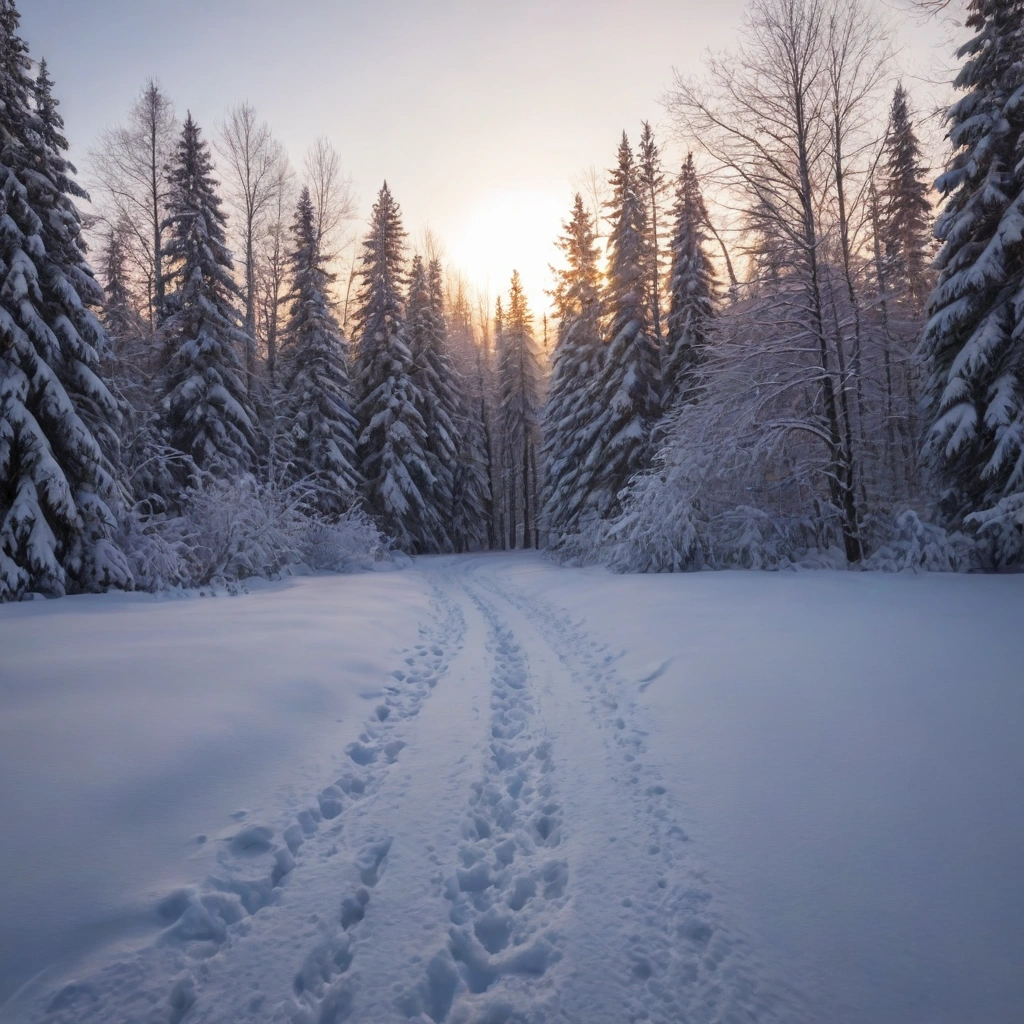
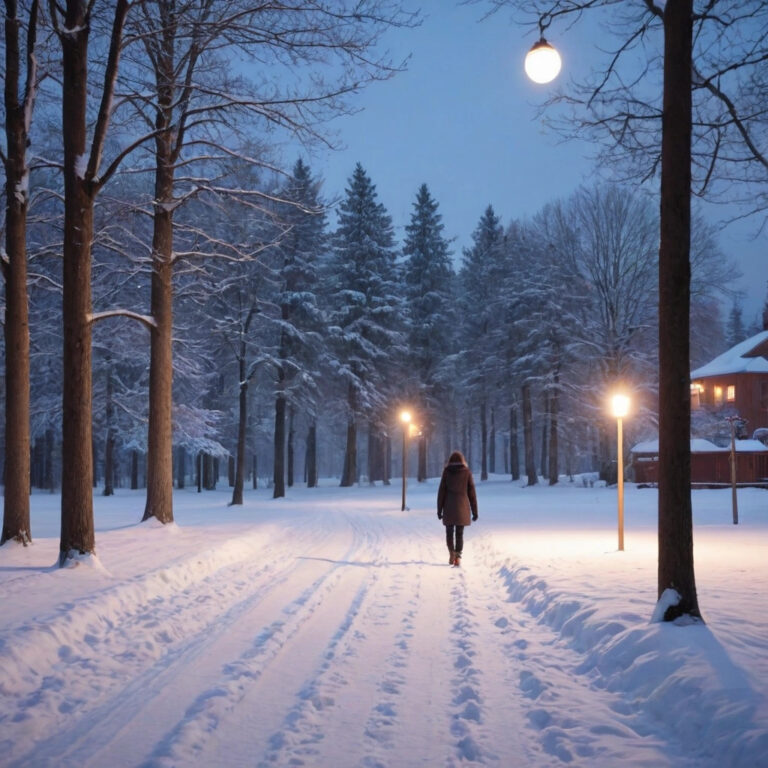
Natural light is your ally when photographing snowy landscapes, especially on sunny days. Snow reflects sunlight, which can make photos shine impressively. Using natural light for photos in the snow will let you play with shadows and highlight the details of the landscape in a natural way. If you can, take your photos at sunrise or sunset to make the most of the golden hours, when the light is soft and warm, contrasting beautifully with the cold white of the snow.
Composition: Find the perfect angle
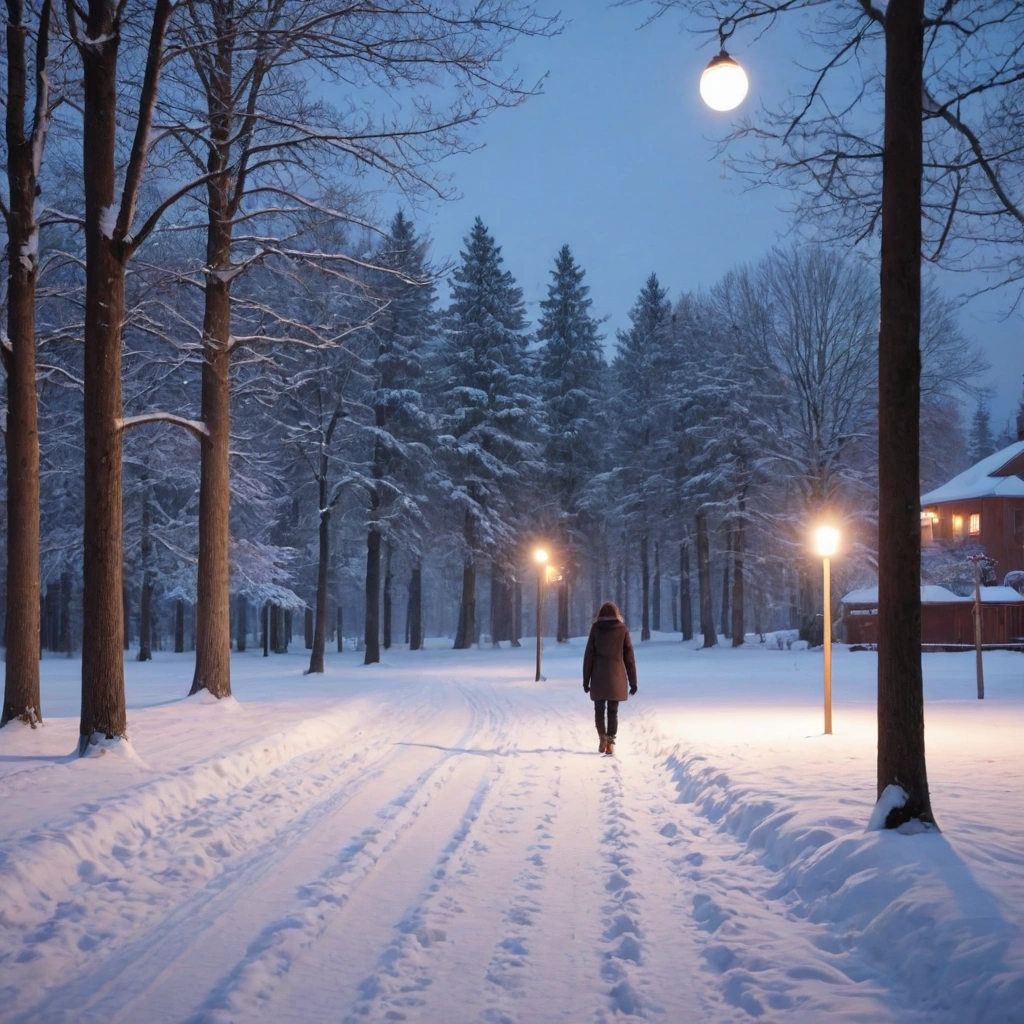
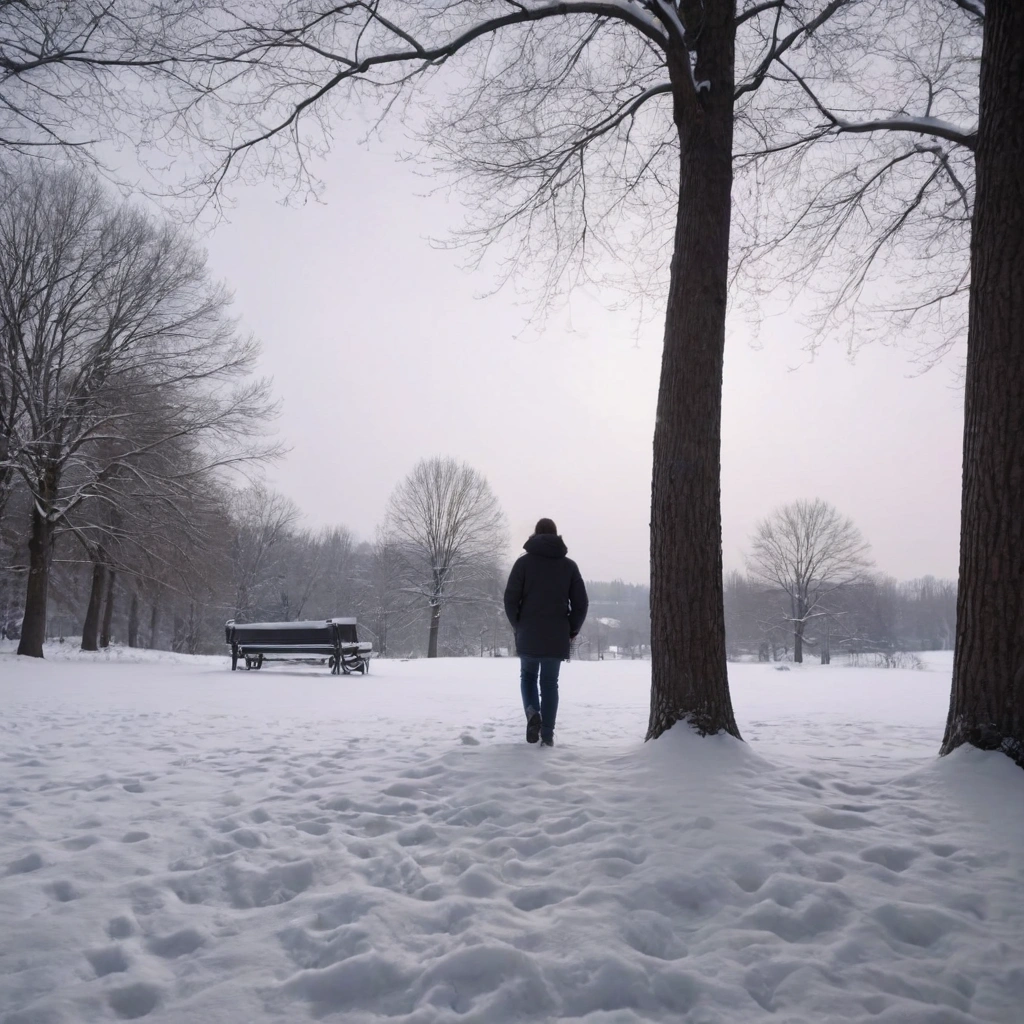
When photographing snowy landscapes, composition plays a vital role. Snow covers everything, but that doesn’t mean it all looks the same. Shapes and textures in the snow can create interesting lines that guide the eye through the image. Use footprints, snow-covered trees, or even mountains in the background to create a strong focal point. Experiment with unusual perspectives, such as a low angle or capturing the reflection of the snow on frozen water surfaces.
Find the right contrast
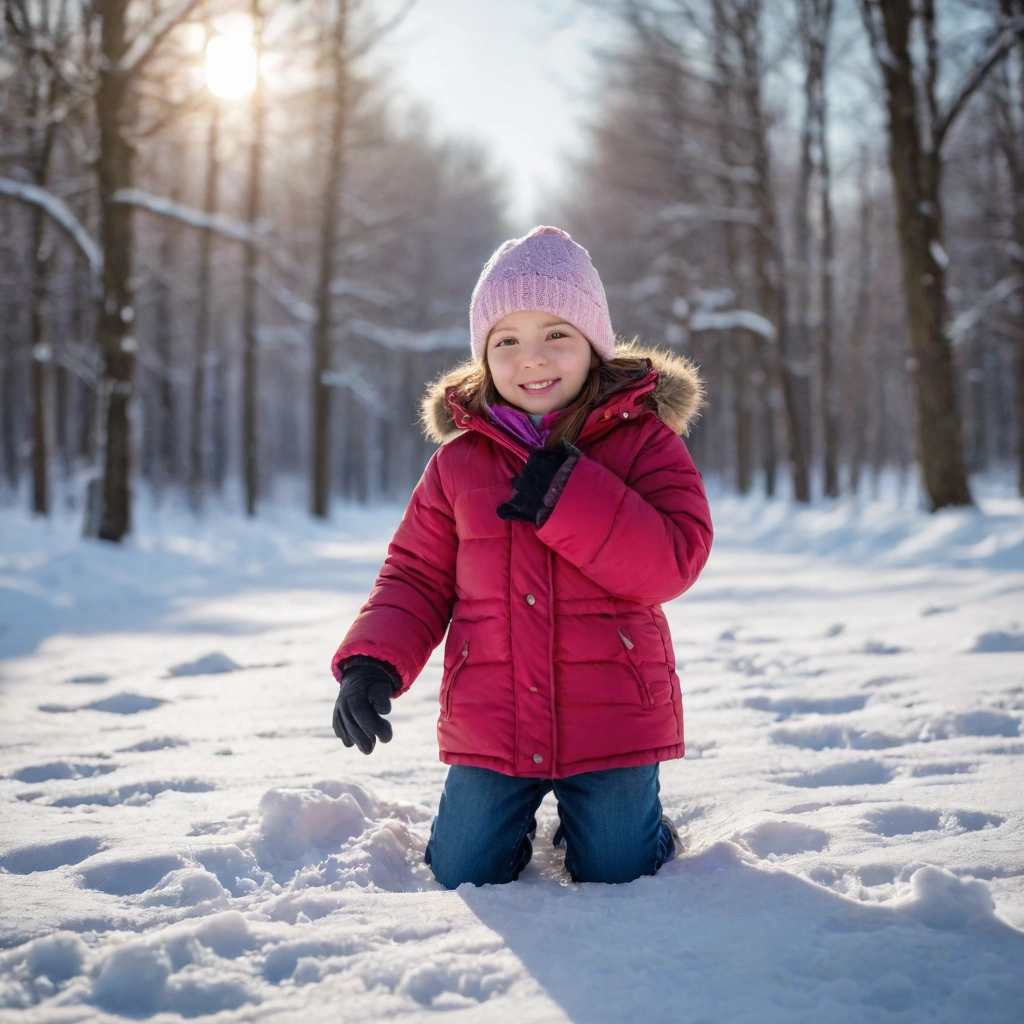
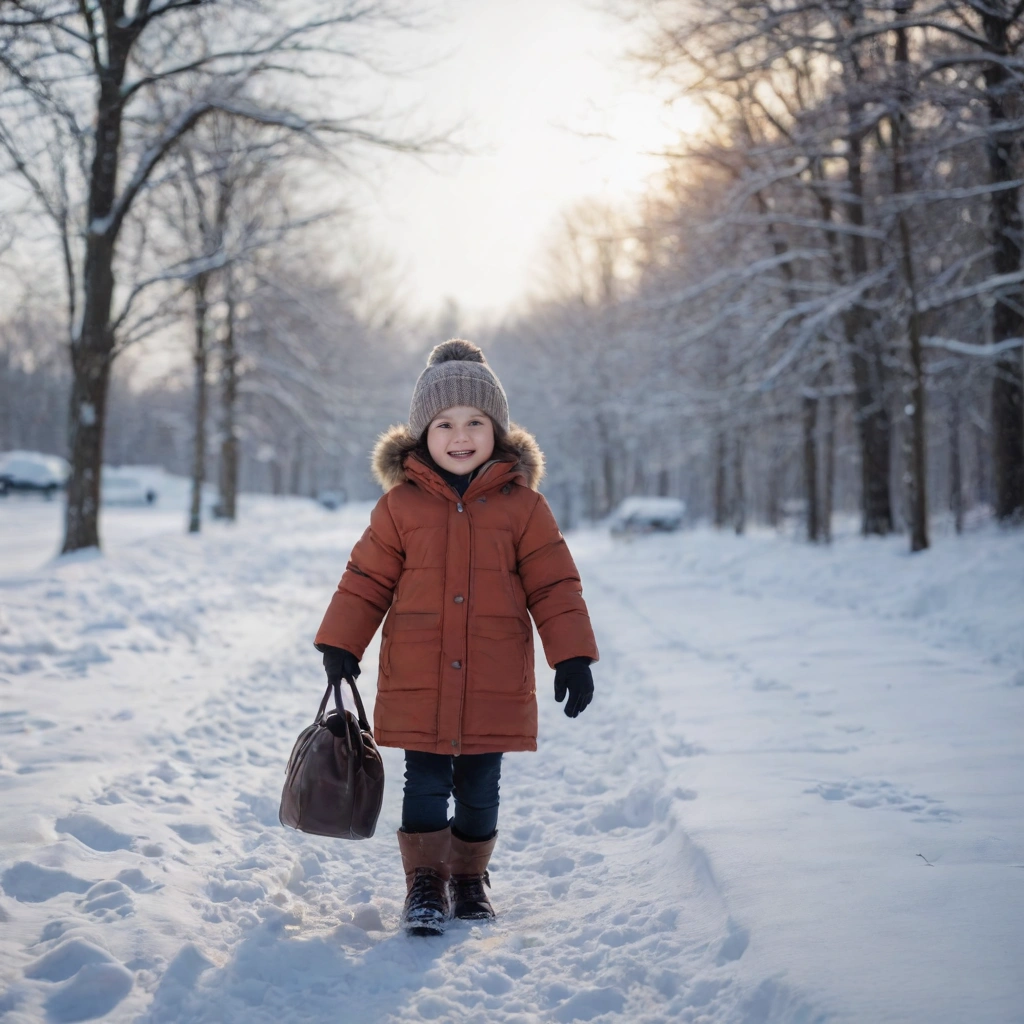
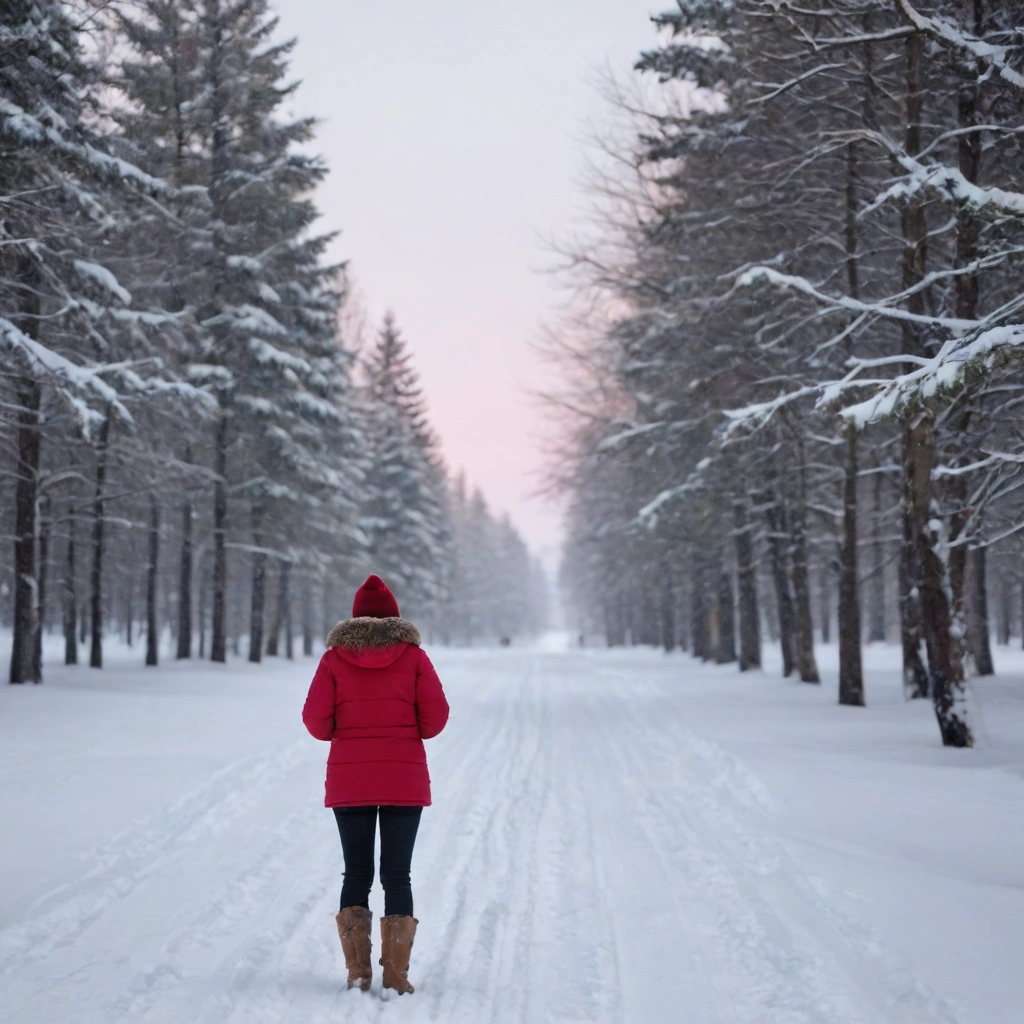
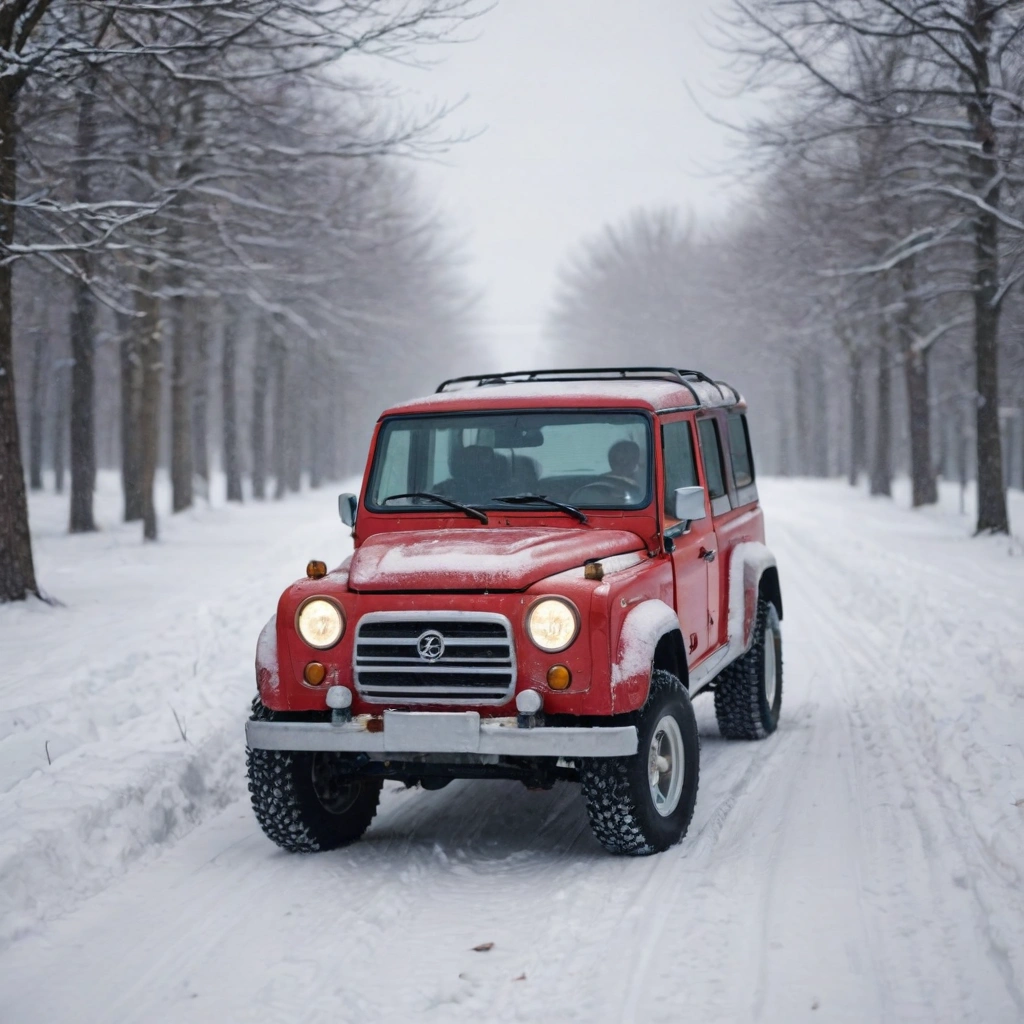
Snow has a bright quality, but that doesn’t mean everything should be white. Adding contrast in snowy photos can help make your images more appealing. You can play with brightly colored clothing that contrasts with the pure white of the snow, such as a red coat or a bright hat. The contrast between colors in the snow is something that brings the photo to life, making the subject stand out more in the environment.
Camera settings for photos in the snow
If you really want to get the best result when taking photos in the snow, then it’s essential that you understand how camera settings work. Adjusting the ISO, aperture, and shutter speed correctly will allow you to capture detail in the white tones without losing the texture or atmosphere of the snowy environment. Snow, by its nature, is reflective, so the ISO should be set as low as possible to avoid images with too much noise.
Keep your equipment safe from the snow
Cold weather can negatively affect your camera, so protecting your equipment is essential. How to protect your camera from the cold and snow should be one of your top priorities. Use waterproof covers, store the camera in an insulated bag when not in use, and always have cloths on hand to wipe away any snowflakes that may stick to the lens. Snow can be enchanting, but it can also be very damaging if you don’t take precautions with your equipment.
Reflections in the snow: make the most of the extra light
One of the unique characteristics of snow is its ability to reflect light, which can be both a challenge and an opportunity at the same time. Using reflections in the snow to give depth to photos is an impressive technique. You can capture the reflections of trees, people, or mountains on the surface of the snow, which will add an extra dimension to your photos. Make sure not to overexpose the image so that the reflection doesn’t become blurry.
Find beauty in simplicity
Snow has a clean and simple quality that, when photographed correctly, can be incredibly powerful. Instead of filling the frame with too many elements, try to capture the simple beauty of the snow. The shapes in the snow, the soft shadows, and the footprints can be just as fascinating as a full landscape. A minimalist approach can create striking images that convey serenity and tranquility.
Edit carefully
Finally, after a photo session in the snow, don’t forget that editing photos in the snow can help you enhance all those details that weren’t captured perfectly in the camera. Adjust the contrasts, play with saturation, and correct the exposure to ensure the image conveys the cold and unique atmosphere of the snowy landscape.
Snow Photo Gallery