
Post actualizado el día September 27, 2026 by DeiviSanzPlay
Have you heard of the Camino de Santiago and feel intrigued by this ancient pilgrimage route that attracts thousands of people every year? If you’re considering embarking on this unique journey or simply want to know more about it, you’ve come to the right place.
I recommend checking out this interesting article: The World of Whale Feeding: What Do These Creatures Eat?.
Here I’ll tell you everything you need to know to start your adventure on the Camino de Santiago.
The Camino de Santiago, also known as the Way of the Stars, is more than just a route; it is an <a href="https://www.chusmeando.com/informatica-y-tecnologia/seguridad-vpn/que-uso-especifico-le-dan-los-gamers-a-las-vpns-para-mejorar-su-experience/” title=”¿Qué uso específico le dan los gamers a las VPNs para mejorar su experiencia?”>experience <a href="https://www.chusmeando.com/flores-y-plantas/el-profundo-significado-spiritual-de-la-flor-de-loto/” title=”El Profundo Significado Espiritual de la Flor de Loto”>spiritual and physical journey that has been part of European tradition since the Middle Ages. Originally, it was undertaken for religious reasons, but today, people from all over the world walk it for various reasons, including personal challenge, growth, spiritual growth, or simply the adventure of exploring new landscapes.
Since its historical origin, the Camino has evolved significantly. Legends say that the Camino began as a route followed by James the Greater, one of the apostles of Jesus Christ, whose remains, according to tradition, are buried in the city of Santiago de Compostela, in Galicia. This final destination is what gives the Camino its name and is where many pilgrims conclude their journey, moved and often transformed by the experience.
In terms of cultural significance, the Camino de Santiago has been declared a World Heritage Site by UNESCO and is a symbol of European unity and shared culture. Walking the Camino not only allows you to explore the rich history and culture of Spain, but also to experience a variety of landscapes, from majestic mountains and open plains to dense forests and stunning coastlines.
Finally, preparation for this journey is key. It is not just a physical journey, but also a spiritual and emotional one. Pilgrims must be prepared to face challenges both external and internal, learning about the importance of the journey itself rather than the destination.
Planning Your Trip on the Camino de Santiago
Before embarking on an adventure as meaningful as the Camino de Santiago, proper preparation is essential. Here I’ll offer you <a href="https://www.chusmeando.com/preguntas-y-respuestas/los-mosquitos-no-te-dejan-en-paz-descubre-remedios-caseros-vitaminas-como-complejo-b-y-tiamina-y-metodos-para-evitar-picaduras-de-noche-y-de-dia/" title="🛑Stop mosquitos: los mejores tips para que no te piquen ni uno🐝”>practical tips to plan your trip, ensuring you enjoy the experience to the fullest and avoid unnecessary setbacks.
What is the best time to walk the Camino de Santiago?
Choosing the right time to do the Camino can make a big difference in your experience. Most pilgrims prefer to undertake the route between spring and autumn, avoiding the coldest winter months and the intense summer heat. April, May, June, and September are ideal due to their mild climate and lower rainfall, allowing you to enjoy the landscape more without suffering from adverse weather conditions.
What to pack in your backpack?
Packing light is essential, as you’ll be carrying your backpack during long days. Here are some essential items:
- Appropriate clothing: depending on the season, include light, breathable layers, as well as a good raincoat.
- Comfortable footwear: good hiking boots are a must. Make sure you’ve worn them before the trip to avoid blisters.
- Personal hygiene items: keep it simple with travel-sized items.
- First aid kit: include the basics for minor emergencies.
- Documentation and money: in addition to your ID and some cash, don’t forget the Pilgrim’s Credential, necessary for staying in hostels.
Physical and mental preparation tips
Preparing yourself physically is as important as preparing mentally. Start training several months in advance, doing long walks with your backpack. This will help strengthen your body and get used to the weight you’ll be carrying. Mentally, prepare to be resilient. The Camino can be as emotionally challenging as it is physically. Practicing meditation or mindfulness can be excellent preparation for moments of solitude or difficulty during the journey.
Description of the Main Routes
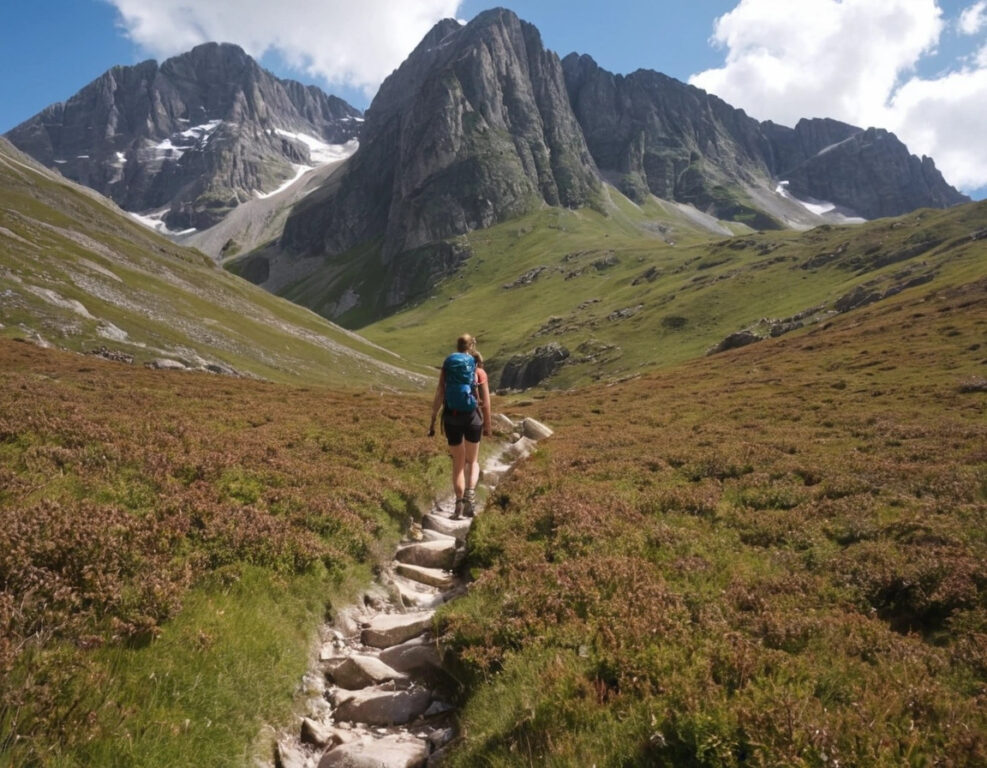
The Camino de Santiago is not a single route, but a network of paths that cross Europe and converge in Santiago de Compostela. Here we’ll highlight three of the most popular routes, providing details that will help you decide which might be the best option for you.
French Way
The French Way is, without a doubt, the most famous and busiest route. It begins in Saint Jean Pied de Port in France and covers 800 kilometers to Santiago. It is well known for its good signage and abundant hostel infrastructure. Along this route, you’ll not only enjoy stunning natural landscapes but also cities rich in history and culture such as Pamplona, León, and Burgos.
Portuguese Way
For those seeking a somewhat less crowded experience, the Portuguese Way offers a different perspective. Starting from Lisbon or Porto, this route is slightly shorter and passes through beautiful coastal cities. Additionally, it offers the opportunity to enjoy the beaches and excellent Portuguese gastronomy.
Other lesser-known but charming routes
If you prefer a less crowded route, consider the Primitive Way or the Northern Way. The Primitive Way, known as the first historical route to Santiago, is perfect for those seeking a physical and spiritual challenge, offering mountainous landscapes and a sense of isolation that enhances introspection. On the other hand, the Northern Way runs along the northern coast of Spain, offering spectacular views of the Cantabrian Sea.
Each of these routes has its own identity and appeal, allowing you to choose according to your interests and physical ability. When planning your trip, consider not only the landscape and difficulty but also what you want to get out of the experience.
Experiences on the Camino
Walking the Camino de Santiago is an adventure that offers both unique challenges and rewards. Here we will explore the common experiences of pilgrims, providing insight into what you can expect in terms of personal experiences and challenges during your journey.
Stories and testimonies from pilgrims
Over the centuries, millions of people have walked the Camino de Santiago, each with their own story. These testimonies are as varied as the pilgrims themselves, from those seeking healing and personal answers to those who simply want to enjoy the beauty of the landscape and the cultural richness. Sharing in the hostels at the end of the day becomes an integral part of the experience, where stories and laughter intertwine, creating a unique sense of community and belonging.
Common challenges and how to overcome them
The Camino is not without its challenges, both physical and emotional. Long days of walking, blisters, fatigue, and inclement weather can test your endurance. However, the key lies in preparation and mindset. Carrying the right equipment, maintaining a good pace, and above all, keeping a positive attitude can make the challenges more manageable. Additionally, the support of other pilgrims and the hospitality of locals often provide the encouragement needed to continue.
Life in the hostels
The hostels along the Camino are more than just places to sleep; they are meeting spaces where lasting friendships are formed and life experiences are shared. Although the conditions may be basic, the spirit of camaraderie more than compensates for any discomfort. The experience of sharing dinners and conversations can be as enriching as the walk itself. It is important to respect the rules and other pilgrims, contributing to the welcoming and mutually supportive atmosphere.
What to expect upon arriving in Santiago
Arriving at the Cathedral of Santiago de Compostela is the culmination of the Camino, full of emotion and personal achievement. Here I’ll tell you what you can expect in those final moments and how to make the most of your stay in this historic city.
The arrival at the Cathedral of Santiago
When you finally arrive at the plaza in front of the Cathedral of Santiago, the feeling of achievement is indescribable. Many pilgrims feel overwhelmed with emotion, and it is not uncommon to see tears of joy and relief. It is a moment to reflect on your journey and the kilometers traveled, both physically and spiritually.
The Compostela: what it is and how to obtain it
The Compostela is a pilgrimage certificate awarded to those who have completed at least the last 100 kilometers on foot or 200 kilometers by bicycle to Santiago. To obtain it, you need to present your Pilgrim’s Credential, which must be stamped at each stop along the way, proving your journey. This document not only serves as a tangible souvenir, but also as a testimony to your determination and spirit.
Activities and experiences in Santiago de Compostela
Beyond visiting the Cathedral, Santiago offers a variety of cultural and gastronomic activities. You can explore museums, attend masses, enjoy live music in the plazas, and savor excellent Galician cuisine. The city is a hub of culture and spirituality, offering a perfect ending to your Camino experience.
Post-Camino Tips
Once the Camino de Santiago is completed, many pilgrims face the question of how to reintegrate into daily life while keeping the spirit of the journey alive in their hearts. Here I will offer some tips to help you readjust and continue carrying the spirit of the Camino with you.
Readjusting to daily life
Returning to the daily routine after such an intense and transformative experience can be challenging. It is common to feel a certain restlessness or melancholy. Taking your time to reintegrate and not rushing the process can be very beneficial. Try to incorporate into your daily life practices that you found useful on the Camino, such as meditation or daily walking, to maintain that new sense of calm and purpose.
Keeping the spirit of the Camino in your daily life
The Camino teaches you about simplicity, resilience, and the importance of community. Try to apply these lessons in your life: reduce your consumption, foster deeper connections with people, and face challenges with a positive attitude. Creating a support group with other former pilgrims or joining online forums can also help you keep the Camino experience alive.
Useful resources
Finally, here I provide you with a list of resources that could be useful for those planning to do the Camino de Santiago or simply want to learn more about this fascinating journey.
Recommended apps and guides
There are several apps designed specifically for Camino de Santiago pilgrims that can help you plan your route, find accommodation, and learn more about the places you will visit. Some popular apps include ‘Camino de Santiago Companion’ and ‘Wise Pilgrim Guides’. Additionally, printed guides such as those by John Brierley remain invaluable resources for many pilgrims.
Blogs and forums for pilgrims
Participating in blogs and forums can be an excellent way to prepare for your trip and connect with other pilgrims. Sites like ‘Camino de Santiago.me’ and ‘American Pilgrims on the Camino’ offer spaces to share experiences and advice and to ask questions about almost any aspect of the Camino.
Safety and health tips on the Camino
Staying safe and healthy during the Camino is crucial. Make sure you know basic first aid practices and always carry an emergency kit with you. Informing yourself about the medical services available along the route can also give you peace of mind.