

Post actualizado el día September 30, 2026 by DeiviSanzPlay
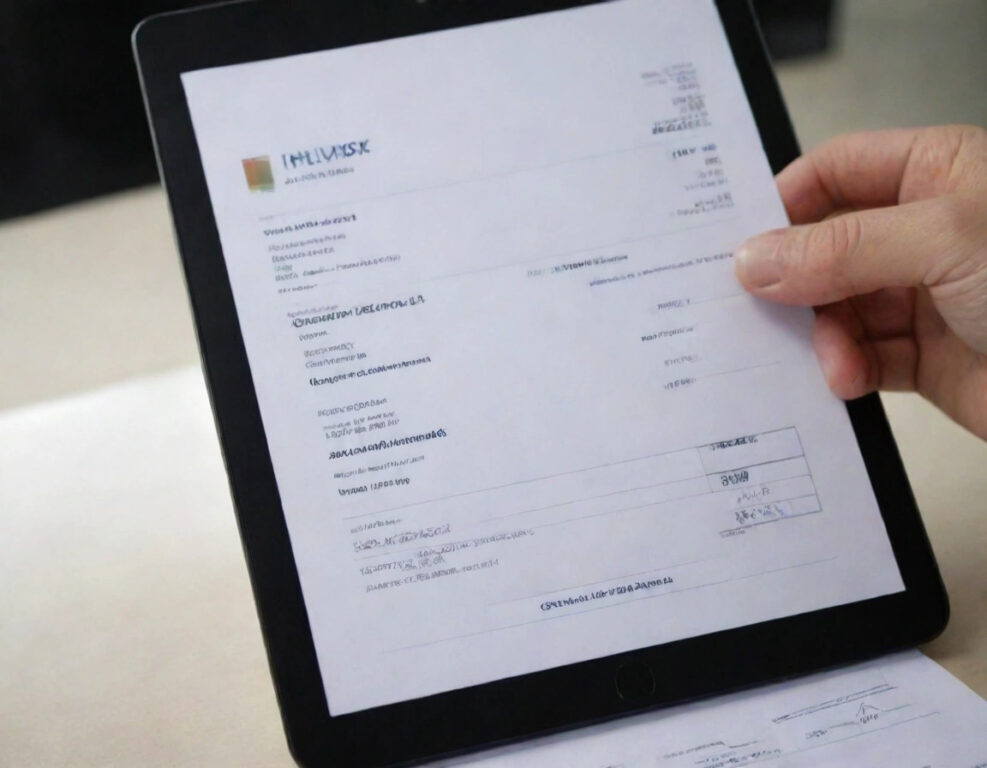
🧾 Mandatory Electronic Invoicing in 2025: Transformation or Digital Storm?
I recommend you check out this interesting article: The Deep Spiritual Meaning of the Lotus Flower.
- It seems distant, like a date on a futuristic calendar. But in reality it’s just around the corner… and it brings with it a silent, inevitable, and digital revolution: mandatory electronic invoicing.
Maybe you think it’s just a new procedure or some passing bureaucratic fad. But no. This transition is not a suggestion, nor an option… it’s an <a href="https://www.chusmeando.com/informatica-y-tecnologia/que-es-nfc-como-funciona-y-por-que-podria-ser-un-cambio-de-juego-para-ti-en-el-dia-a-dia/" title="Qué es NFC, cómo funciona y por qué podría ser un cambio de juego para ti en el día a día”>era shift. A profound metamorphosis that will change the way your business breathes, invoices, and files with the tax authority.
📉 Goodbye Paper, Hello Automation
Imagine that one day you wake up and your physical invoice book no longer works. File folders, noisy printers, and ink-stamped documents become administrative fossils. In their place, a new digital ecosystem takes the stage, designed so that every invoice flows like an email—automatic, verified, and perfectly traceable.
This change is not for the distant future, it’s for tomorrow, for right now. The new regulations will require all companies, regardless of their size, to get on this digital train. The good part? You can still choose your seat. The bad part? If you don’t get on, you’re left at the station.
🤔 What Does This Really Mean for You?
Beyond the technical jargon, the 2025 electronic invoicing law means that:
- You won’t be able to issue an invoice without going through the authorized digital circuit.
- Your relationship with the tax authority will be in real time, with no room for oversights or typing errors.
- You’ll leave behind manual processes and adopt automated, traceable systems.
And most importantly: it’s mandatory. It’s not about whether you want to or not, but when and how you’re going to adapt.
🌍 And What Do You Gain From All This?
Although it sounds like an imposed obligation, the truth is that this transformation comes loaded with benefits:
- 📉 Reduction of human errors: automation means fewer mistakes.
- 💸 Saving time and resources: less paper, less filing, less management.
- 🔍 More transparency: your operations will be visible, secure, and verifiable.
- 🧠 Better tax control: you’ll know what comes in, what goes out, and how to file, without breaking a sweat.
So yes, this change may sound intimidating… but it is also a great opportunity to simplify your day-to-day business operations.
🚨 Time Waits for No One: Are You Prepared?
You might be thinking right now:
“Okay, and what do I have to do with all this?”
The answer is simple: start preparing right now. Electronic invoicing won’t be implemented all at once, but the deadlines are already set, the tools already exist, and the costs of not acting in time can be expensive.
This isn’t just about installing new software. It’s about reviewing your processes, training your team, understanding the new standards, and above all, adopting a digital mindset.
🧭 What If I Don’t Adapt?
Falling behind isn’t just a bad idea… it can be a death sentence. Companies that don’t adopt the system may face:
- Administrative sanctions
- Loss of competitiveness
- Obstacles to working with digitalized suppliers or clients
- Reputational risk
🧰 The Good News: You’re Not Alone
Digitalization doesn’t come without help. There are solutions, advisors, platforms, digital kits, and step-by-step guides to help you make the transition without drama.
The important thing is not to ignore it, not to leave it for the last minute. Because 2025 is not a distant concept: it’s a clock that’s already ticking.
🚀 Conclusion: The Revolution Is Underway
Mandatory electronic invoicing in 2025 is not the enemy. It’s your opportunity to evolve. To leave behind the chaos of paper, lost invoices, and tax closings that keep you up at night.
Prepare yourself, stay informed, take action.
And when the moment comes (which is almost here), you’ll be ready to say:
“My business is ready for the future.”
FAQ – Mandatory Electronic Invoicing in 2025
What is electronic invoicing?
An electronic invoice is a digital document used to carry out sales transactions of goods or services between businesses and customers. This format complies with the requirements legal and tax requirements of the authorities and is issued through computer systems.
Why will electronic invoicing be mandatory in 2025?
This measure aims to modernize the tax system, reduce tax fraud, increase transparency, and improve the administrative efficiency of invoicing processes.
Who will be required to use electronic invoicing in 2025?
Starting in 2025, all businesses and self-employed individuals carrying out commercial operations will be required to issue electronic invoices, regardless of their size or sector.
How will an electronic invoice be issued?
Electronic invoices must be generated and sent using specialized software that complies with legal requirements and is approved by tax authorities.
What are the advantages of electronic invoicing?
Electronic invoicing facilitates the storage and management of tax documents, reduces human errors, speeds up the audit process, and increases data security.
Are there exceptions for certain sectors or businesses?
No, starting in 2025, electronic invoicing will be mandatory for all sectors and types of business. However, some small businesses are expected to need more time to adapt.
Will special software be needed to issue electronic invoices?
Yes, you will need approved software that allows you to create and send electronic invoices in accordance with tax regulations and requirements.
How does electronic invoicing affect SMEs?
SMEs will need to adapt to the new rules, but among the benefits are greater efficiency in tax administration and a reduction in the administrative burden.
What requirements must an electronic invoice meet?
An electronic invoice must include information such as the name or company name of the parties, the tax identification number, a description of the products or services, the total amount, and a digital format compatible with tax systems.
What will happen if I do not comply with the electronic invoicing requirements?
Failure to comply with the obligation to issue electronic invoices could result in sanctions, fines, or tax problems for the company.
How does electronic invoicing affect the tax filing process?
Electronic invoicing simplifies data collection and the tax filing process, since electronic invoices will be directly integrated into the authorities’ tax system.
Can I continue using paper invoices if I already issue electronic invoices?
No, starting in 2025, electronic invoices will be mandatory, so businesses will need to stop using paper formats.
How is the authenticity and integrity of electronic invoices guaranteed?
Electronic invoices must carry an electronic signature or digital seal that guarantees their authenticity and integrity.
Where should electronic invoices be stored?
Electronic invoices must be stored in secure computer systems, accessible for review by tax authorities during a specified period.
What happens if I make a mistake when issuing an electronic invoice?
If an error is detected, you can correct the electronic invoice by issuing a corrective invoice, always within the deadlines established by law.
Is an electronic invoice valid worldwide?
An electronic invoice will be valid in all countries that accept it within their tax legislation. Each country has its own rules, but the trend is that more and more countries are adopting this invoicing format.
What are the deadlines for implementing electronic invoicing in 2025?
The deadlines will vary depending on the size of the company, but the obligation to issue electronic invoices will be mandatory for all taxpayers starting in 2025.
Does an electronic invoice have the same legal validity as a paper invoice?
Yes, electronic invoices have the same legal validity as paper invoices, as long as they comply with legal requirements.
Can I issue electronic invoices to my international clients?
Yes, electronic invoicing can also be used for international transactions, as long as it complies with the tax legislation of the destination country.
Where can I get more information about mandatory electronic invoicing in 2025?
You can get more information from the Tax Agency, on the official government website, or from professional associations that offer resources on the implementation of electronic invoicing.